Independent reporting on space, archaeology and ancient worlds
For the passionately Curious
Browse Curiosmos
Ancient Civilizations
Discover the world’s most mysterious ancient civilizations, from lost cities and megalithic structures to forgotten knowledge and unsolved archaeological puzzles.
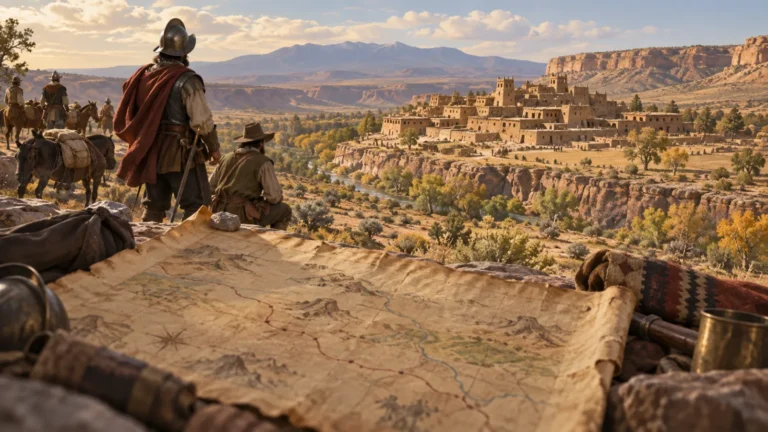
In 1540, a Spanish expedition set out toward seven cities said to glitter with gold. The name attached to them was Cíbola. Francisco Vázquez de Coronado crossed deserts, river valleys…
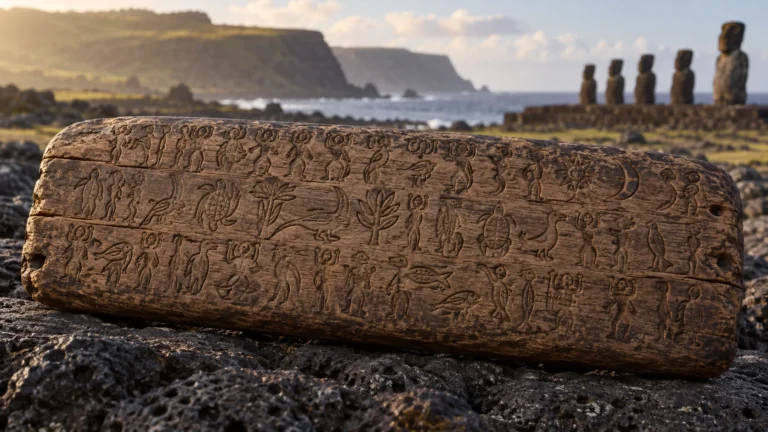
Why has the Rongorongo script never been deciphered? A small Rapa Nui corpus, lost context and new dating explain what researchers know—and what they cannot read.
Archaeologists have found roughly twenty Neolithic rondels in Poland. Their circular ditches and palisades reveal organised communities, but their exact purpose remains open to evidence.
A terracotta head from Calixtlahuaca has been called Roman. What do its date, style and incomplete excavation record actually show about pre-Columbian contact?
The last woolly mammoths survived on Wrangel Island thousands of years after the mainland herds vanished. Ancient DNA reveals a severe bottleneck, a long recovery and a final extinction that remains unresolved.
What do the mammoth traps at Tultepec reveal? INAH and UNAM evidence shows how pits, bones and lake sediments illuminate prehistoric hunting in Mexico.
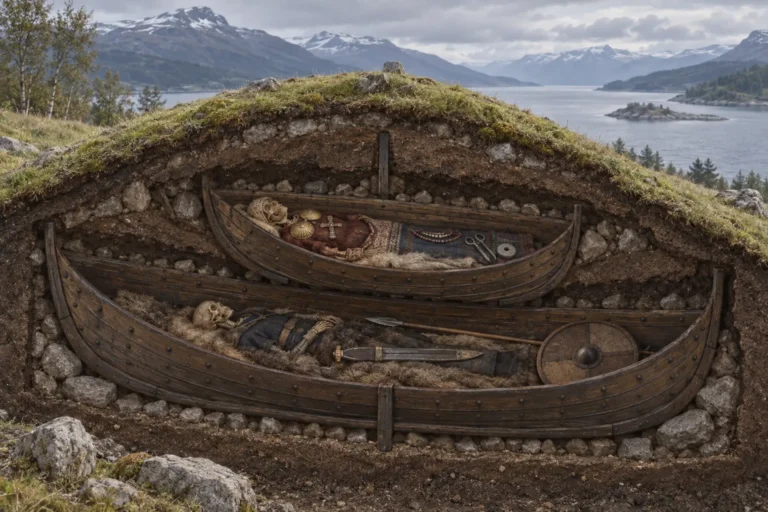
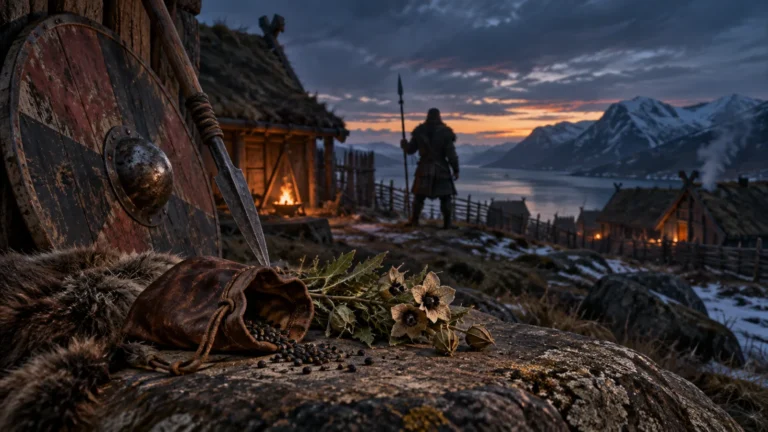
Why were two Viking boat graves buried one inside the other? At Vinjeøra, a woman’s ninth-century boat was placed inside an older man’s burial, raising questions about family, memory and land.
How did ancient observers know Earth was round? Greek, Indian and Islamic scholars used eclipses, shadows and the changing sky to test Earth’s shape long before Columbus.
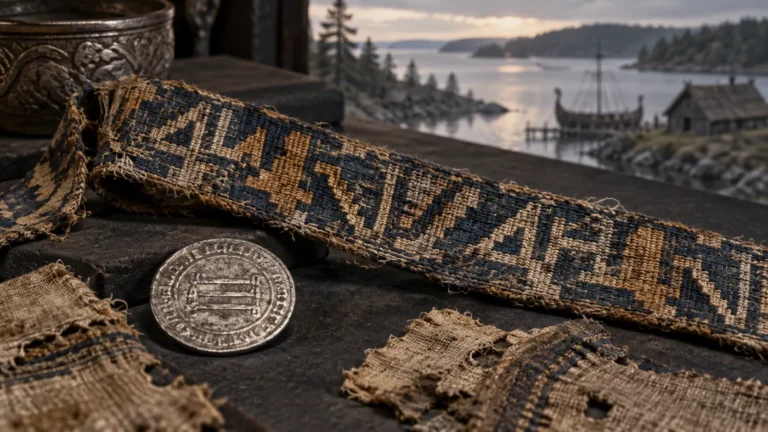
Did Viking burial clothes carry Arabic script? The Birka textile claim was disputed, while a separate ring and silver trade provide firmer evidence of Norse–Islamic contact.
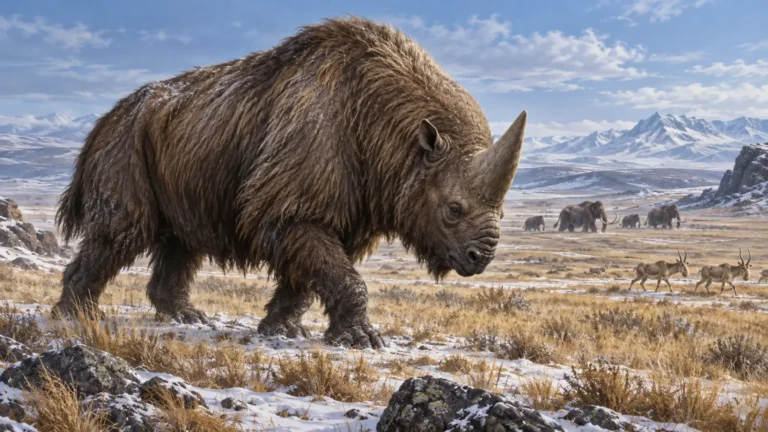
Why did the “Siberian unicorn” disappear? New dating places this giant Ice Age rhino alongside humans, while its specialised steppe diet offers a stronger clue than the myth.
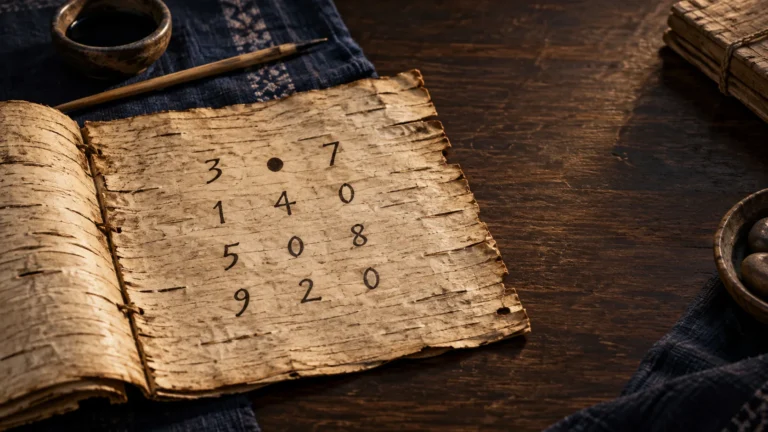
Who invented zero? The answer is a long history of place-value marks, Brahmagupta’s arithmetic and evidence from the Bakhshālī manuscript—not one sudden invention.
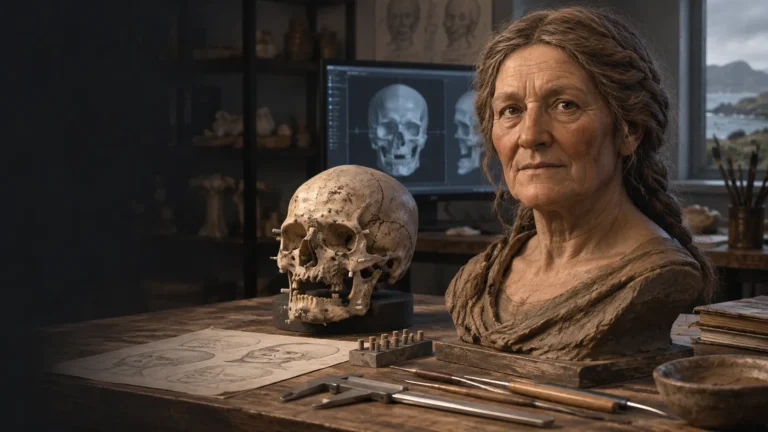
Hilda’s reconstructed face is based on a skull held by the University of Edinburgh. The method can estimate some proportions, but the image cannot prove a unique appearance or a druidic identity.
A small sandstone object found at Humayma in southern Jordan may be one of the earliest physical chess pieces, but its identification as a rook remains provisional.
Bathymetry, sediments and preserved artefacts can reveal drowned landscapes, but a seafloor shape becomes archaeology only when several lines of evidence agree.
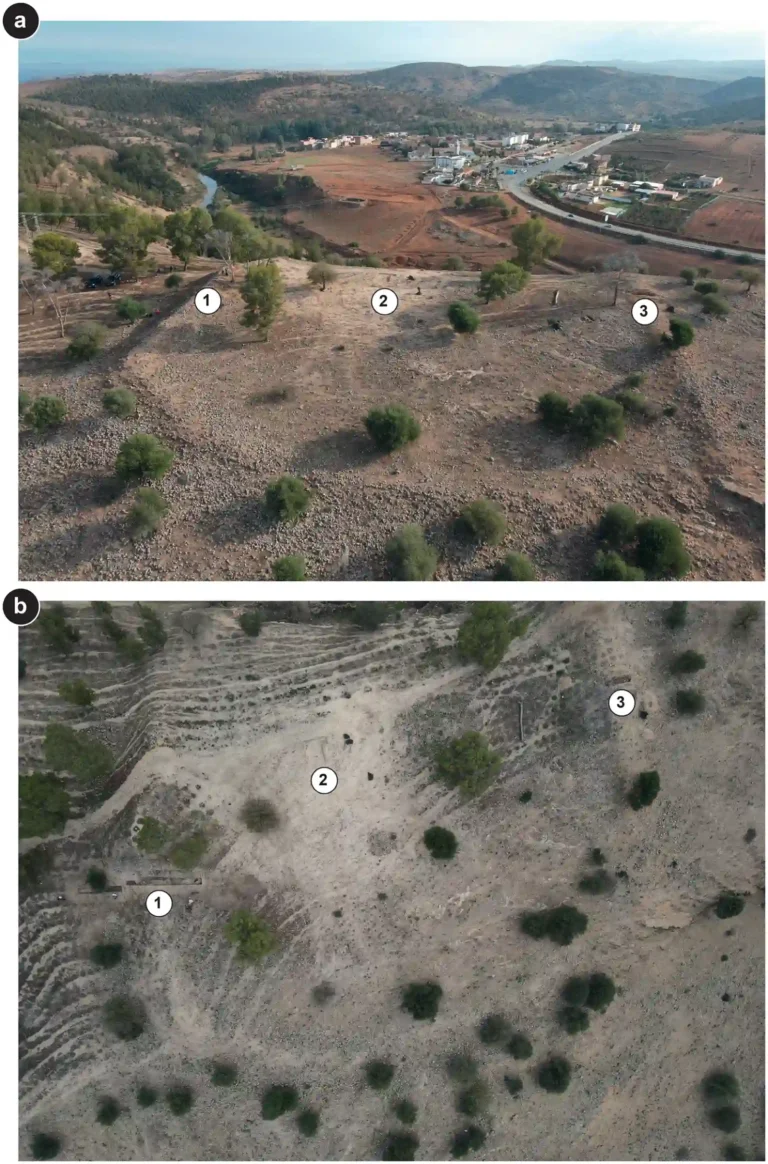
Archaeologists dated a ditch-and-rampart system at Oued Beht in Morocco to 3,500–4,000 years ago. Here is what it reveals about a changing North African settlement.
Ancient flood stories are not geological reports. Sediment layers, settlement dates and the Black Sea debate show how researchers test whether memory and geology could meet.
A lost city is rarely identified by one spectacular object. Learn how archaeologists combine inscriptions, architecture, stratigraphy and landscape evidence to test the case.
Tutankhamun’s tomb has always looked strangely small for a royal burial. That oddity helped create one of archaeology’s most persistent questions: does the known tomb, KV62, stop where its walls…
A wall can look like a border from above, but archaeologists test the idea through gates, roads, visibility, construction layers and excavation context.