Independent reporting on space, archaeology and ancient worlds
For the passionately Curious
Browse Curiosmos
Ancient Civilizations
Discover the world’s most mysterious ancient civilizations, from lost cities and megalithic structures to forgotten knowledge and unsolved archaeological puzzles.
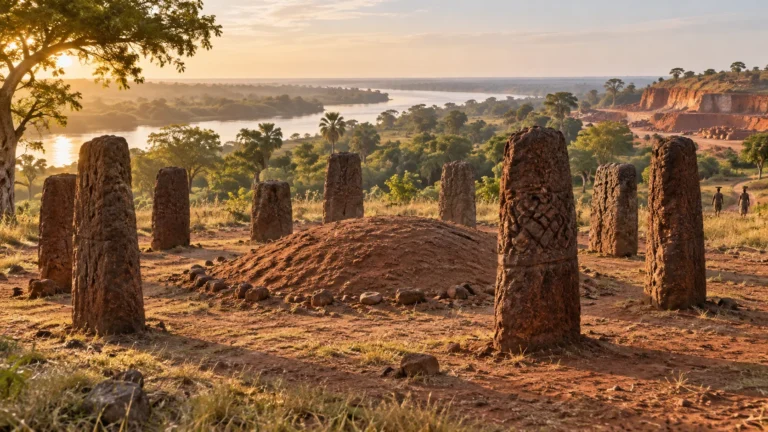
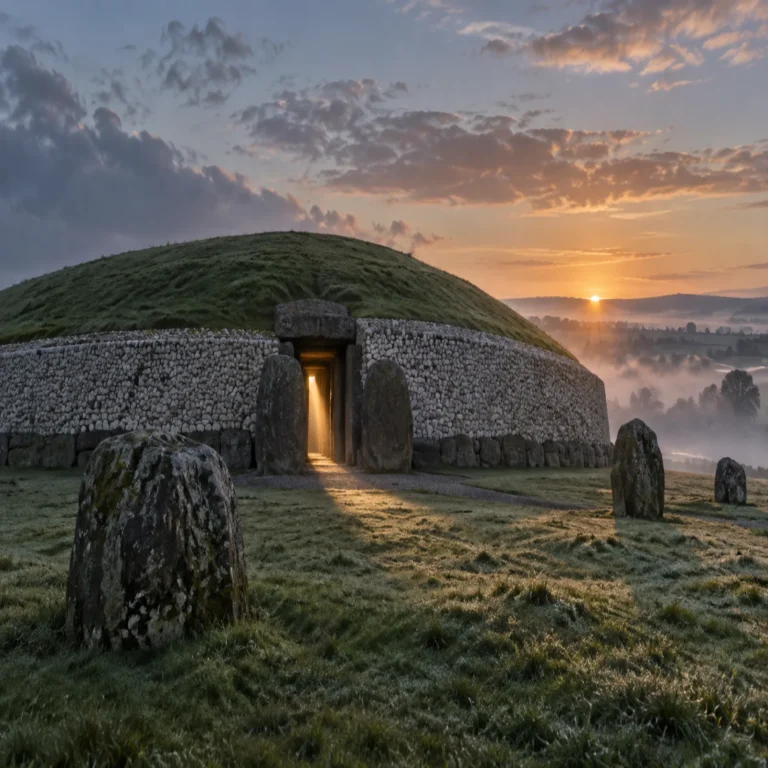
More than 1,000 stone circles and burial mounds stretch across Senegal and The Gambia. Excavations reveal a long funerary tradition, skilled quarrying and local communities whose identities remain uncertain.
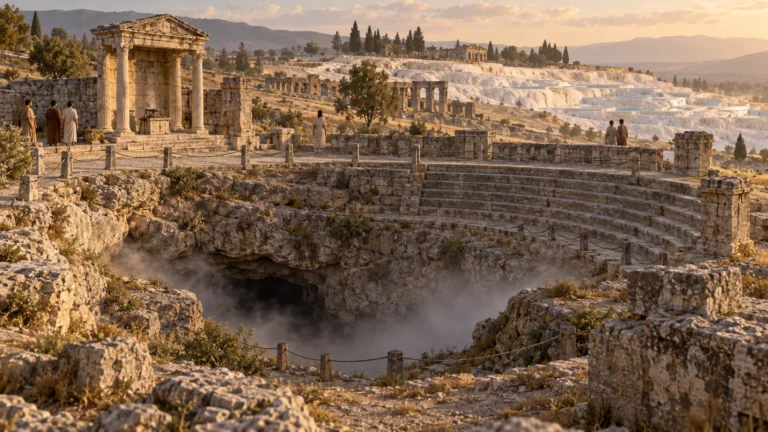
Carbon dioxide pooled around the Ploutonion at Hierapolis, where ancient visitors saw a passage to the underworld. Archaeology and modern gas measurements show how geology and ritual met at the site.
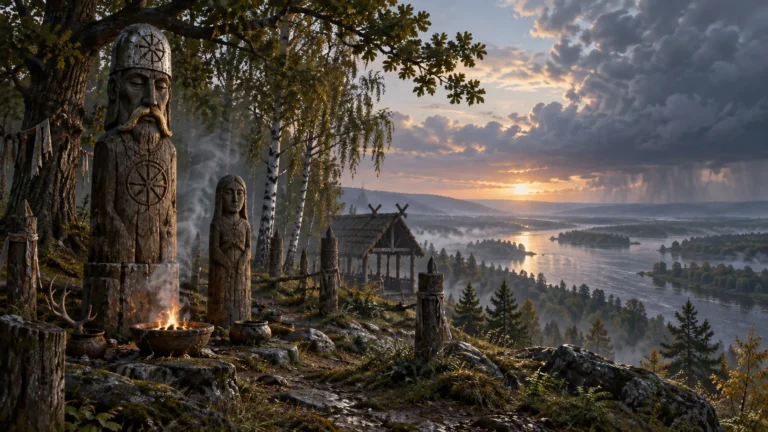
The surviving record of the old Slavic gods comes from brief passages in Byzantine and medieval Christian texts. Those sources reveal regional beliefs, not one complete pantheon.
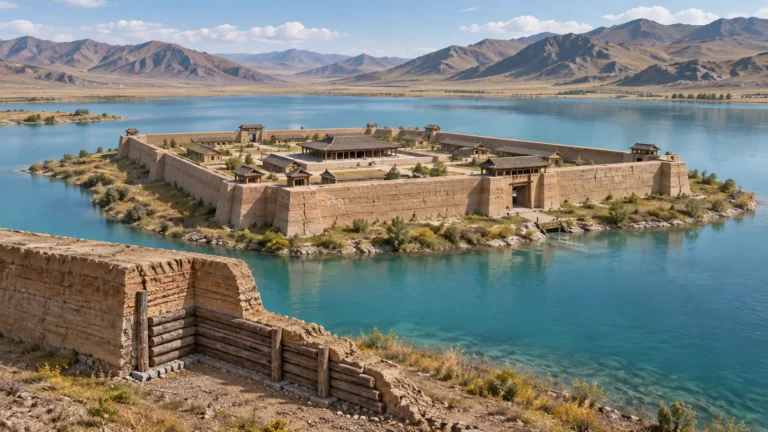
A larch beam from Por-Bazhyn preserves a radiocarbon marker that dates the start of construction to summer 777. The island complex was built under the Uyghur Khaganate, but its intended use remains uncertain.
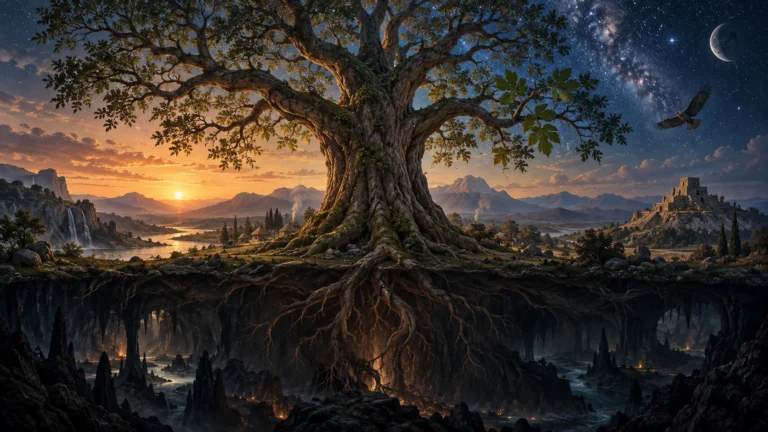
The Norse Yggdrasil, the Gita’s upside-down ashvattha, Maya world-tree imagery and Egyptian sycamores share a shape. Their meanings differ with the stories and settings around them.
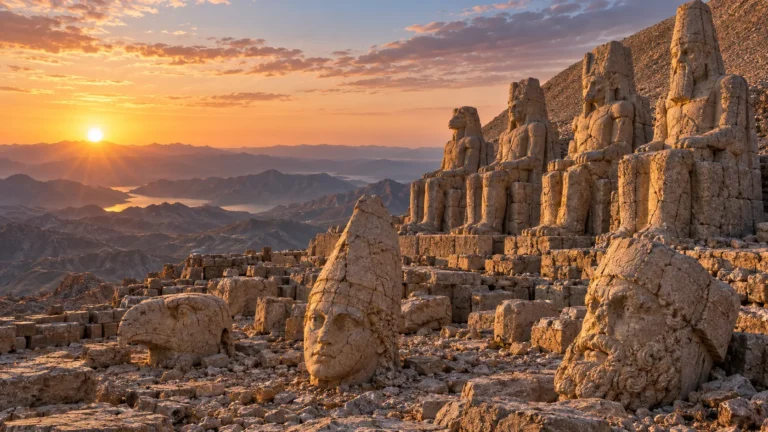
The fallen heads of Mount Nemrut belonged to a sanctuary built by Commagene’s King Antiochus I. Its statues and inscriptions joined Greek and Iranian traditions and made the king’s ancestry part of the monument.
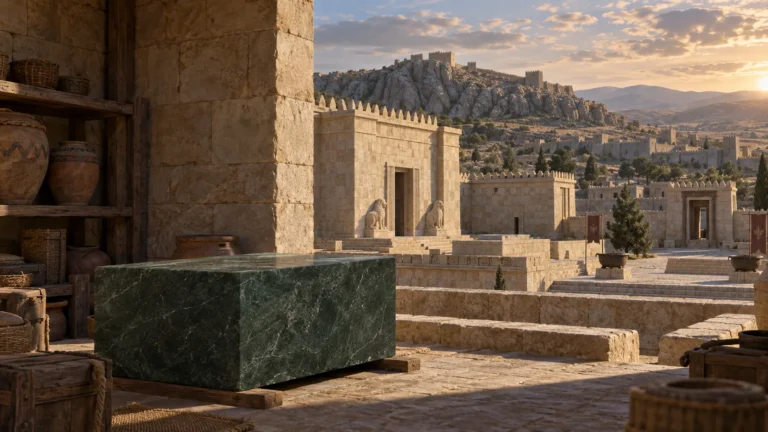
Hattusa’s polished green stone stands in the Great Temple area, but no text identifies it. Its mineral composition and original purpose still need firm evidence.
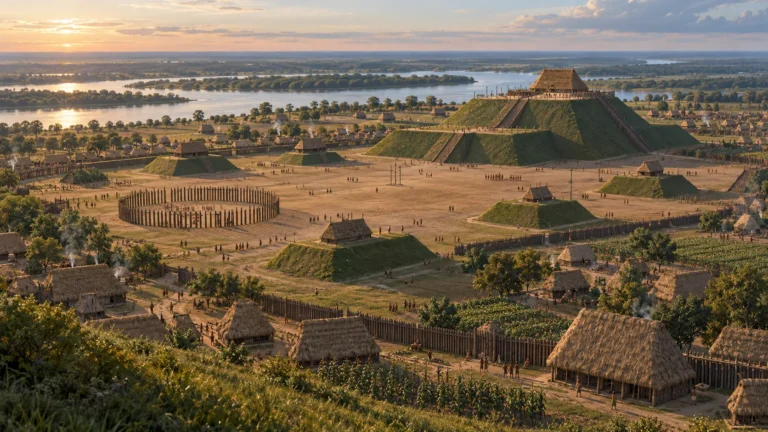
Cahokia grew into a major Mississippian centre through earthwork construction, regional exchange and careful planning. Its ruins reveal the city’s scale, while leaving its ceremonies and final transformation open to investigation.
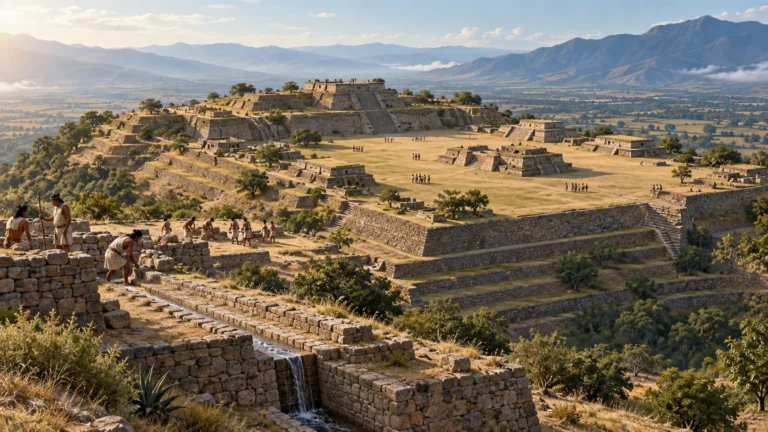
Monte Albán’s terraces, plaza, tombs and waterworks show how Zapotec builders reshaped a mountain into a capital. The city’s role changed over 1,500 years.
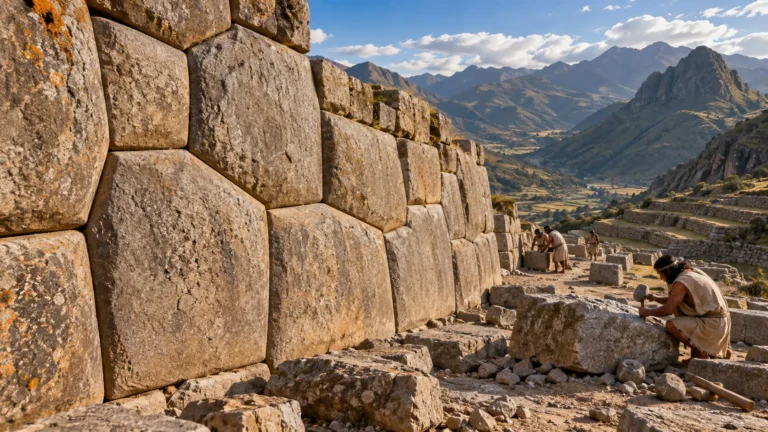
Inca masons shaped local stone one block at a time. Quarry evidence and unfinished walls help archaeologists reconstruct how they built, moved and fitted the stones.
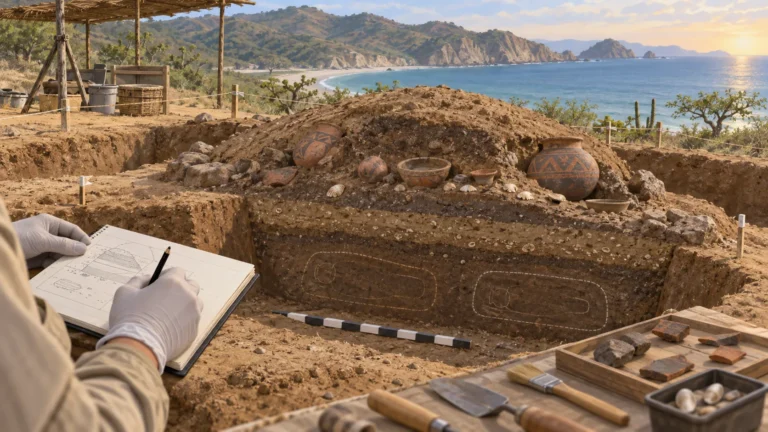
Two infants buried at Salango around 100 BC had older children’s crania placed around their heads. Archaeologists documented the unusual ritual but cannot yet say why it was done.
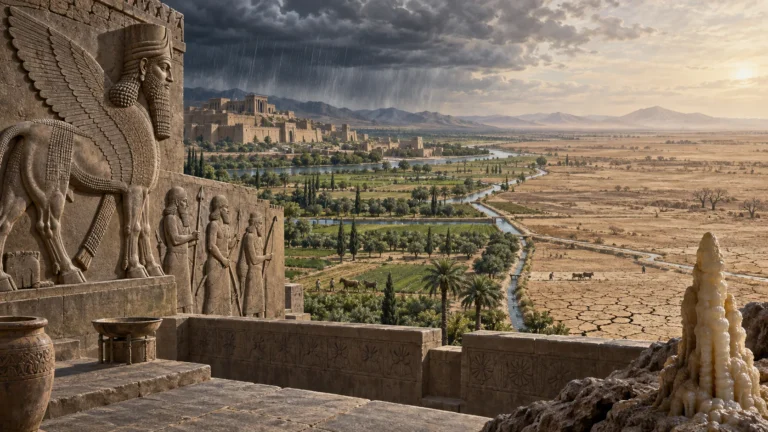
A cave record from northern Iraq suggests that drought narrowed the Neo-Assyrian Empire’s food supply before its capital fell in 612 BC. It adds climate context to a collapse already shaped by war and political conflict.
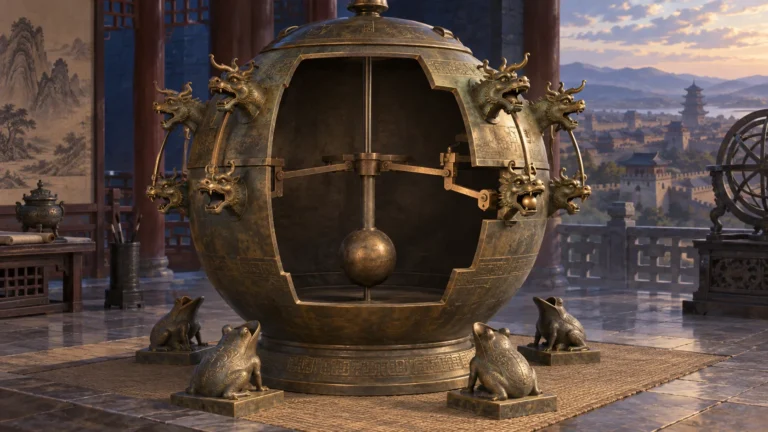
A Han-dynasty account describes Zhang Heng’s bronze seismoscope releasing a ball to indicate the direction of an earthquake. Modern replicas explore how the mechanism may have worked.
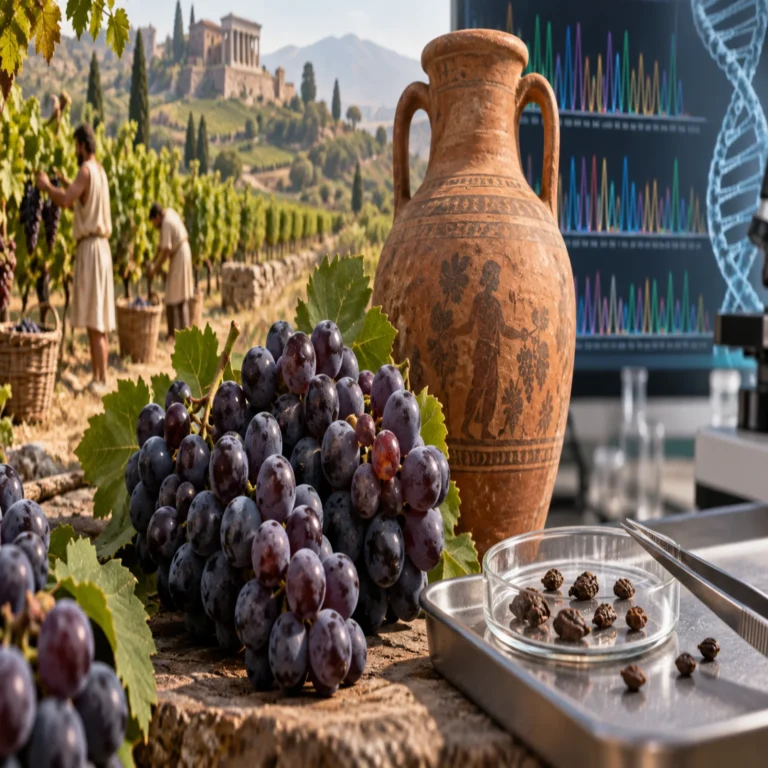
A 2026 study examined 80 grape seeds from Tuscan wells. Their DNA connects Etruscan and Roman vines with later varieties, while leaving wine recipes to other evidence.
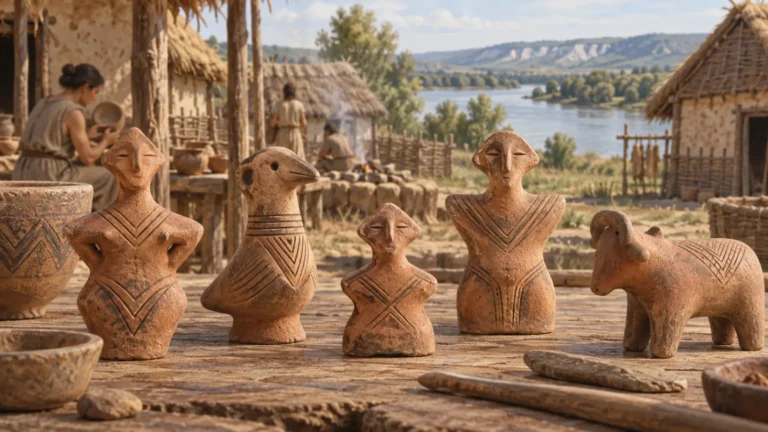
More than 6,000 years old, Vinča’s clay figurines show carefully shaped faces and bodies. Their archaeological settings offer clues to how people used them.
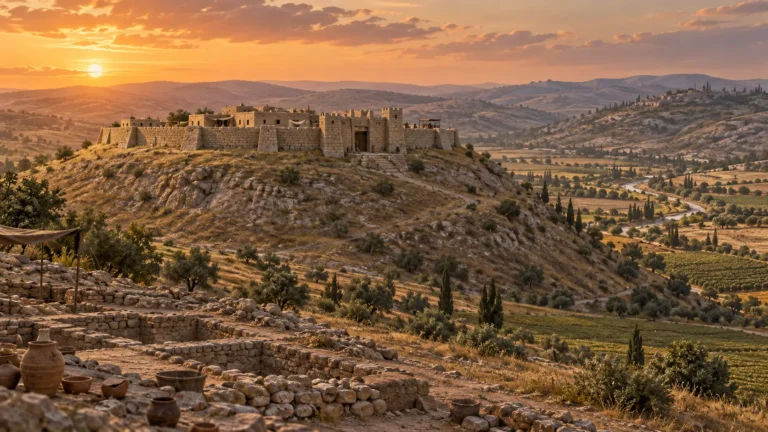
Tel Burna overlooks routes through the Judean Shephelah and preserves Bronze and Iron Age remains. Its fortifications fit a strategic town, but no inscription names it Libnah.
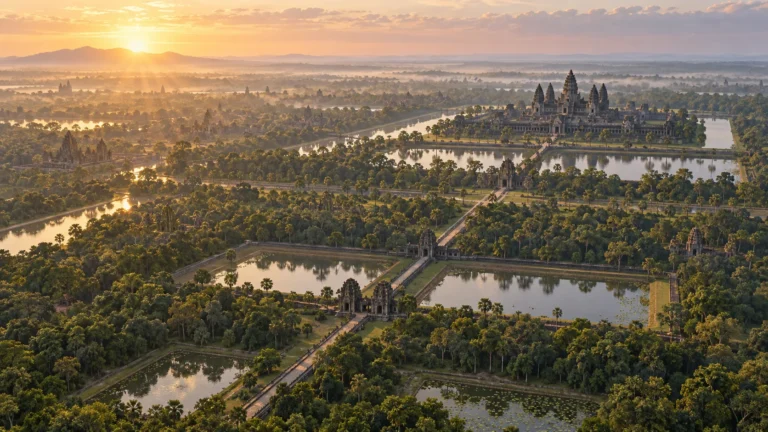
Reservoirs, canals and ponds helped support Angkor’s cities. Lidar surveys are revealing how the Khmer water network stretched beyond the famous temples.
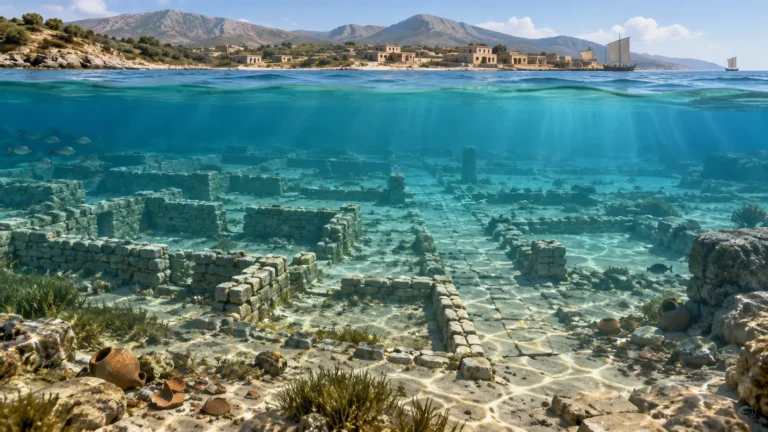
Under a few metres of water off southern Greece, straight lines cross the seabed and low walls outline rooms. They are the remains of Pavlopetri, a Bronze Age settlement in…
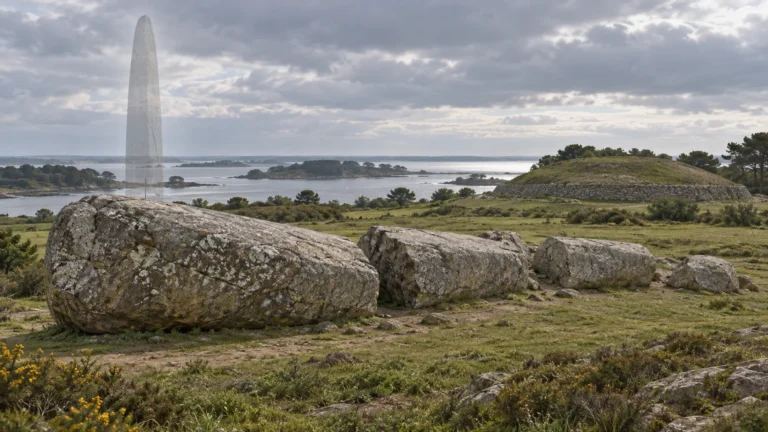
Four enormous fragments lie near the Breton coast where the Grand Menhir once stood. The original stone was about 20 metres long and weighed an estimated 280 tonnes. Neolithic builders…
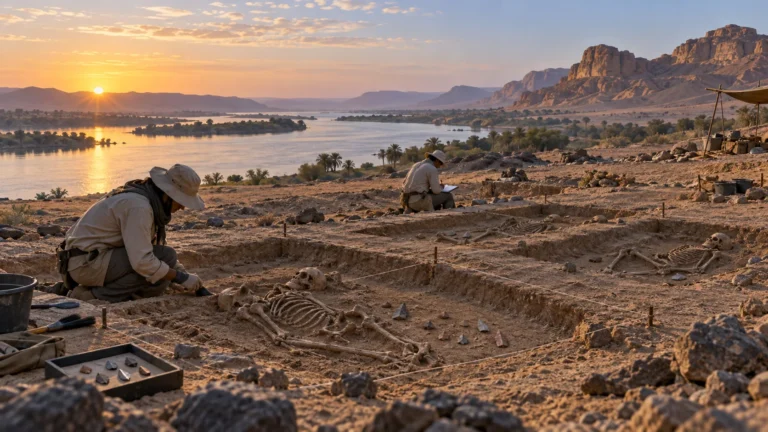
Jebel Sahaba, also known as Site 117, was excavated in the 1960s in what is now northern Sudan. The cemetery contained the remains of 61 people, including children. Many had…