Independent reporting on space, archaeology and ancient worlds
For the passionately Curious
Browse Curiosmos
Ancient Civilizations
Discover the world’s most mysterious ancient civilizations, from lost cities and megalithic structures to forgotten knowledge and unsolved archaeological puzzles.
A wolf jaw, bone chemistry and ancient DNA have all been used to investigate whether Ice Age hunters fed wolves at Gnirshöhle. A 2026 genome study found modern dog DNA contamination in several cave samples.
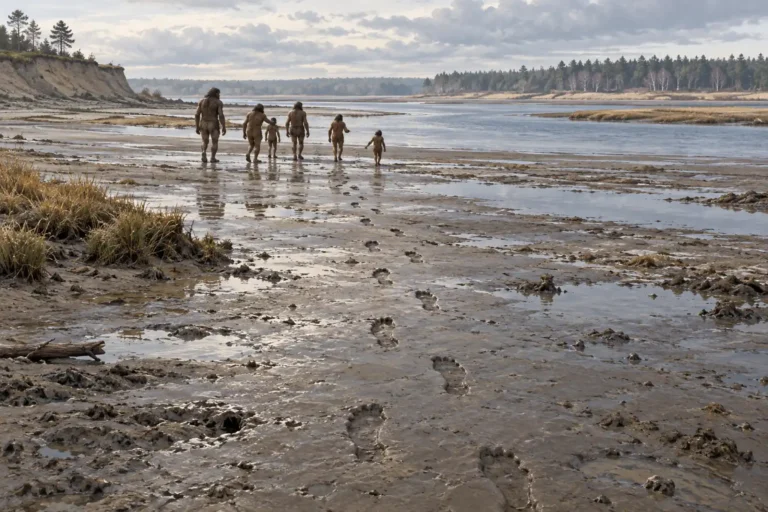
Photographed before the tide wore them away, the Happisburgh footprints preserve a small group crossing an estuary in Norfolk between about 1 million and 780,000 years ago.
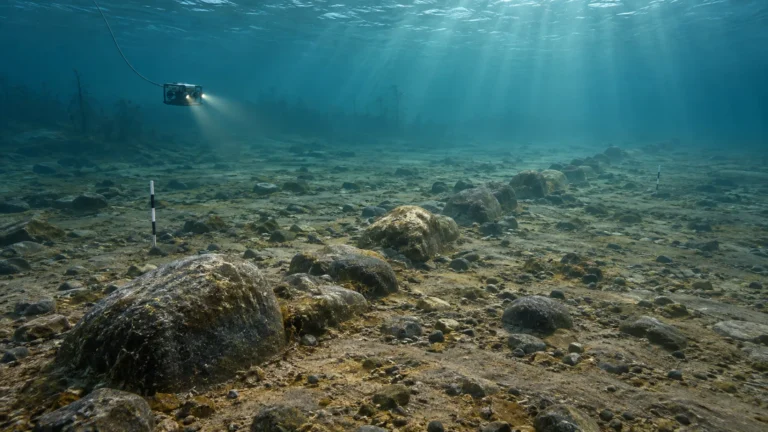
A line of stones beneath Grand Traverse Bay became an “underwater Stonehenge” online. Here is what divers recorded, what remains unproven and how Lake Huron offers a useful comparison.
Cueva de los Tayos is an oilbird cave in Shuar territory in Ecuador. The 1976 expedition documented cave passages, birds and archaeological questions, not a catalogue of metal books.
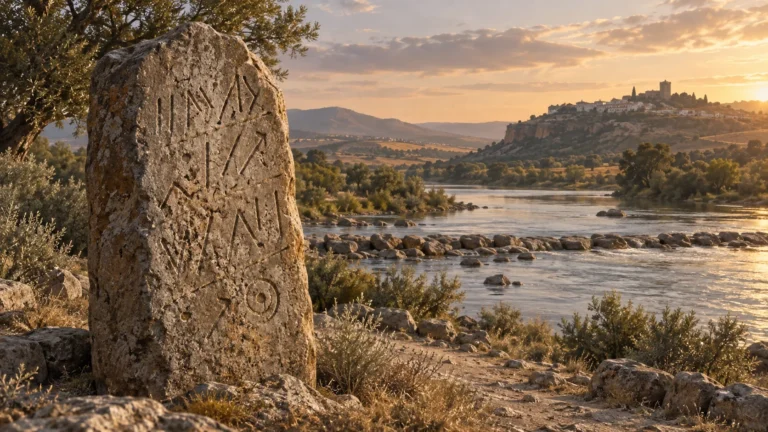
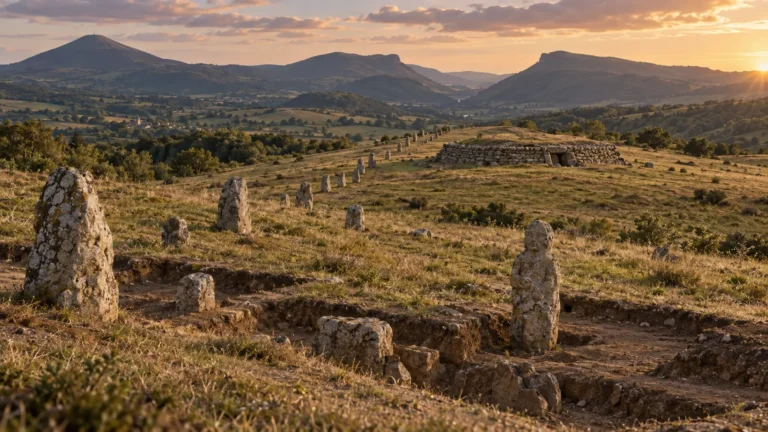
The Montoro stela bears 31 engraved motifs, some resembling signs from Mediterranean scripts. Researchers cannot date it precisely or identify a readable language.
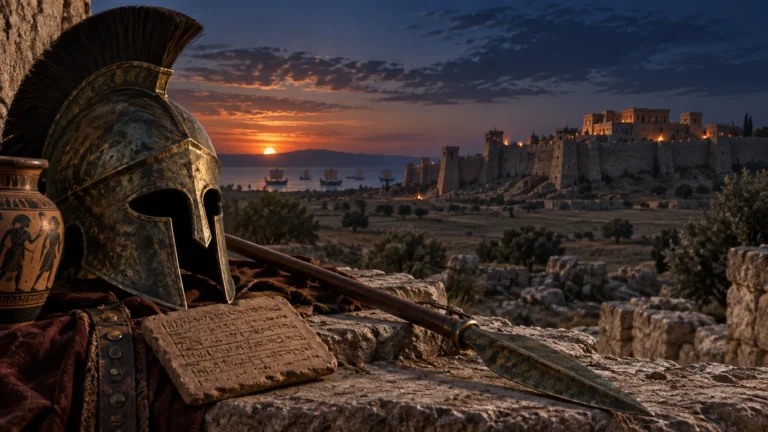
Troy was a real Bronze Age city, but no inscription or burial identifies Achilles. Homer’s poem preserves a powerful story shaped by generations of oral tradition.
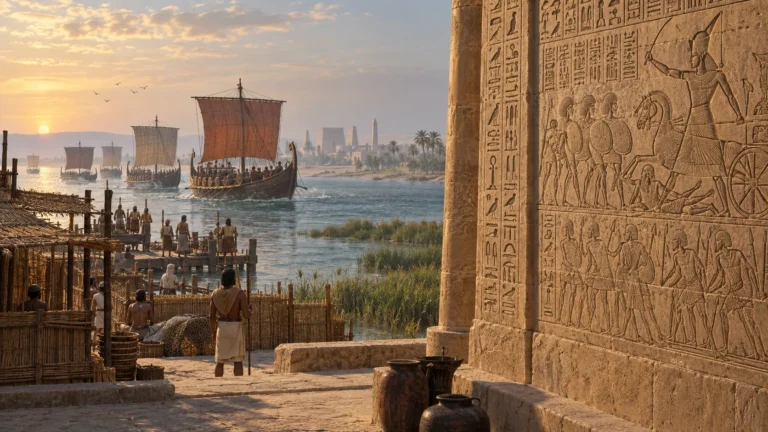
Egyptian records describe an attack by groups later called the Sea Peoples. Drought, disrupted trade and political strain were also reshaping the eastern Mediterranean.
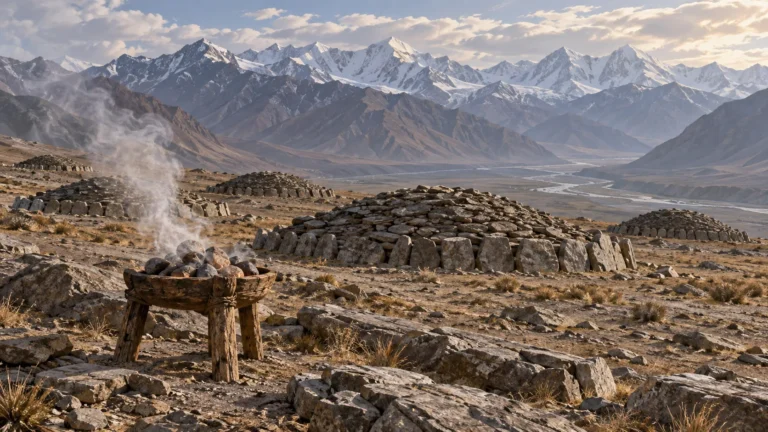
Researchers found cannabis residues in braziers and heated stones from Jirzankal Cemetery in the Pamirs. The chemistry links the plant to a mortuary ritual, while its meaning remains unknown.
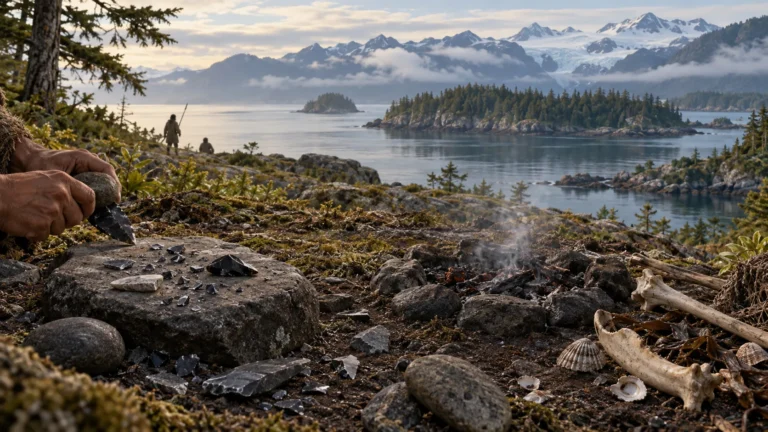
Radiocarbon-dated charcoal places activity at Triquet Island as early as 14,000 years ago. The site preserves generations of coastal life, trade and adaptation in Haíɫzaqv territory.
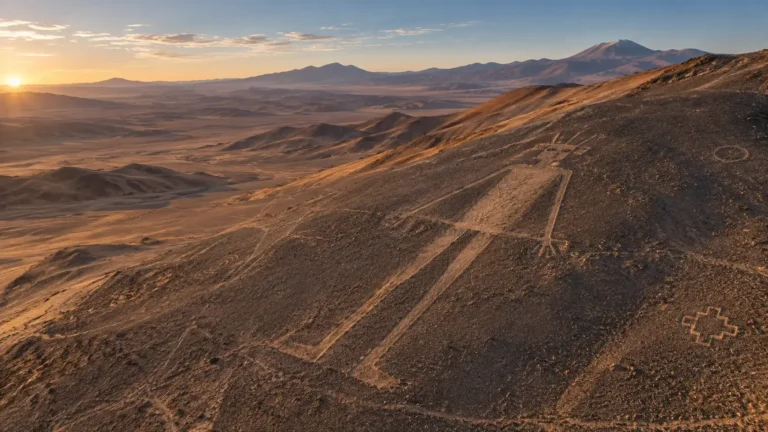
The Atacama Giant was made by scraping and arranging the desert surface. Its position near old caravan routes gives researchers context, although its exact identity is unknown.
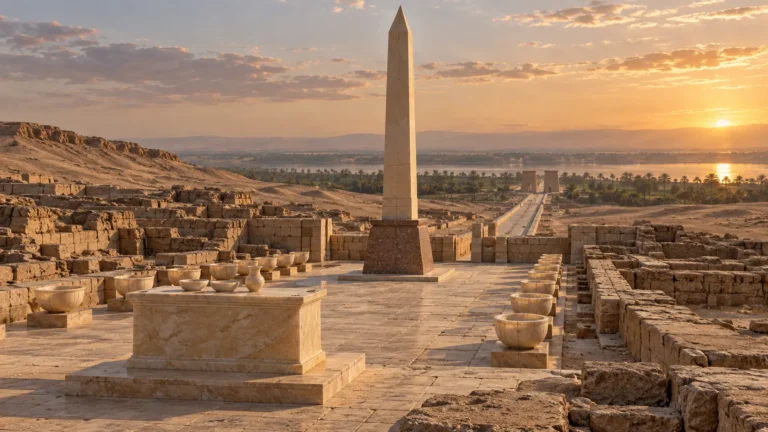
Abu Ghurab was a Fifth Dynasty sun temple with an open court, carved basins and a newly excavated valley temple. Its layout points to solar worship and royal ceremony, not a portal.
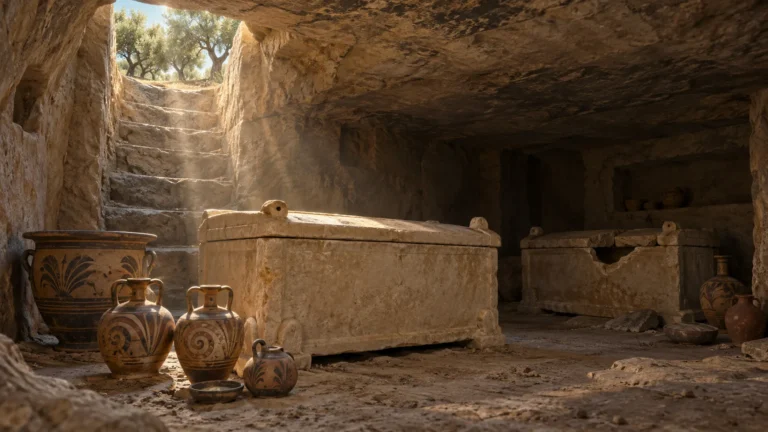
A sealed tomb near Ierapetra contained two adult burials, two larnakes and more than 20 vessels. Pottery dates the chamber to Late Minoan III, while the occupants remain unknown.
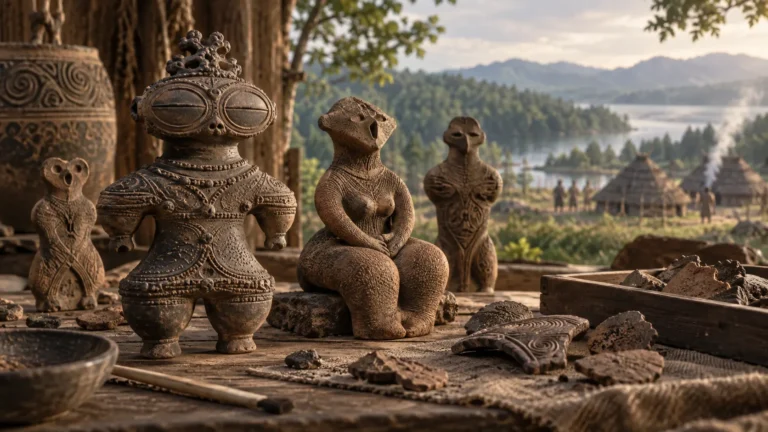
Dogū figurines from Jōmon Japan have been linked to fertility, prayer and healing. Museum records show a varied tradition whose exact rituals remain unknown.
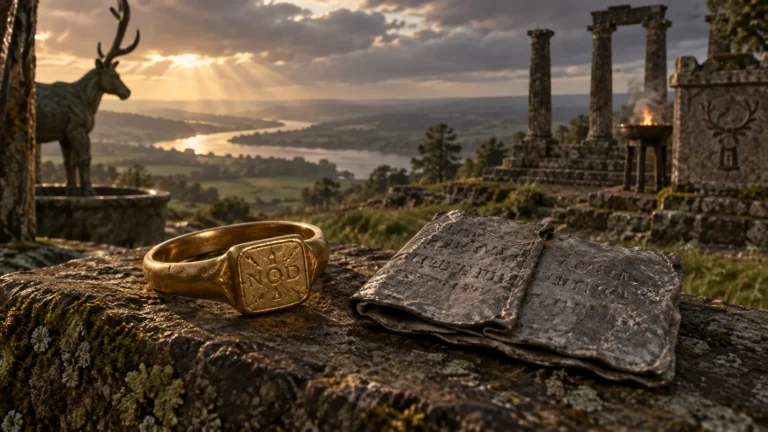
The Ring of Senicianus and a Roman curse tablet from Lydney may concern the same stolen object. Tolkien knew the site, but the ring’s influence on his fiction remains unproven.
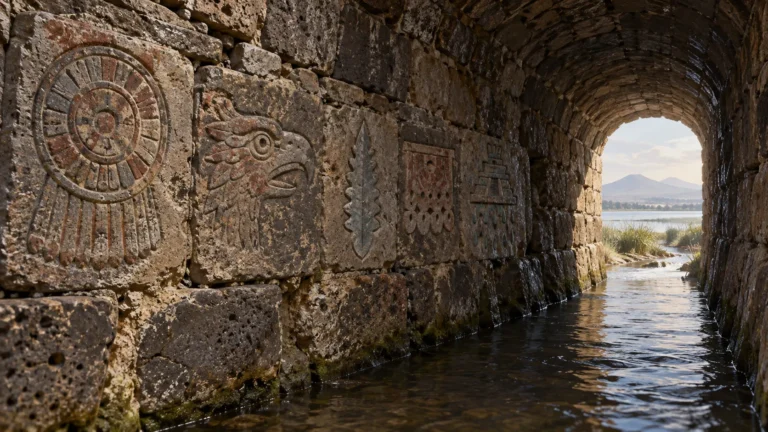
Archaeologists documented eleven pre-Hispanic carvings in a colonial-era tunnel at Ecatepec. The stones preserve an older visual world inside a water system rebuilt over centuries.
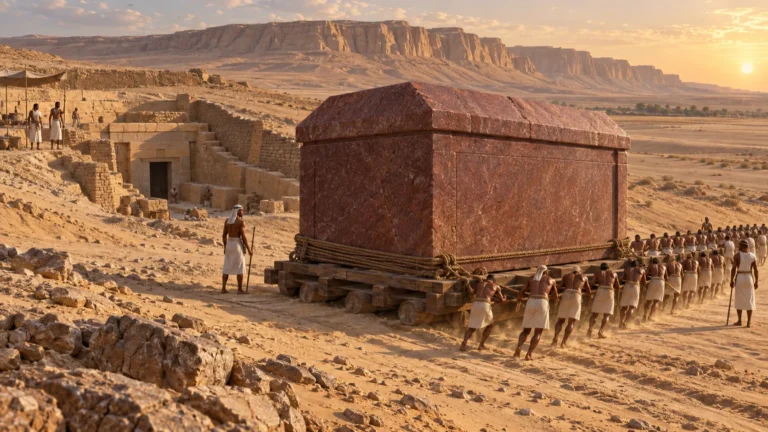
The red-quartzite sarcophagus at South Abydos weighed about 60 tons and had been moved from its original tomb. Its reuse helped archaeologists connect the burials of two lesser-known Egyptian kings.
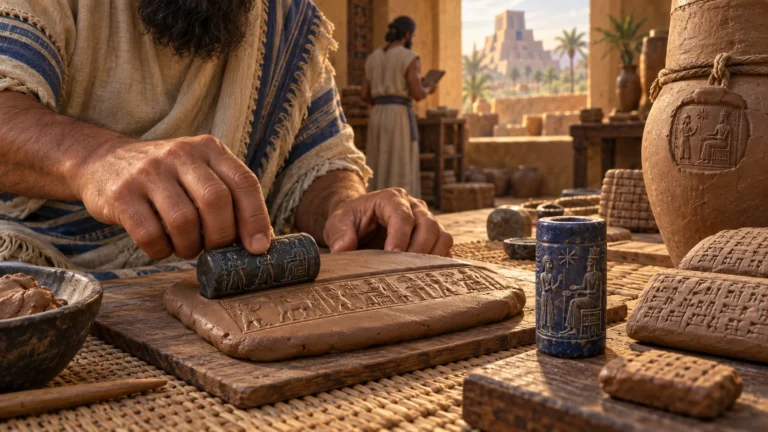
Sumerian cylinder seals combined image, identity and security. Their impressions closed containers, marked records and carried a person’s authority across ancient Mesopotamia.
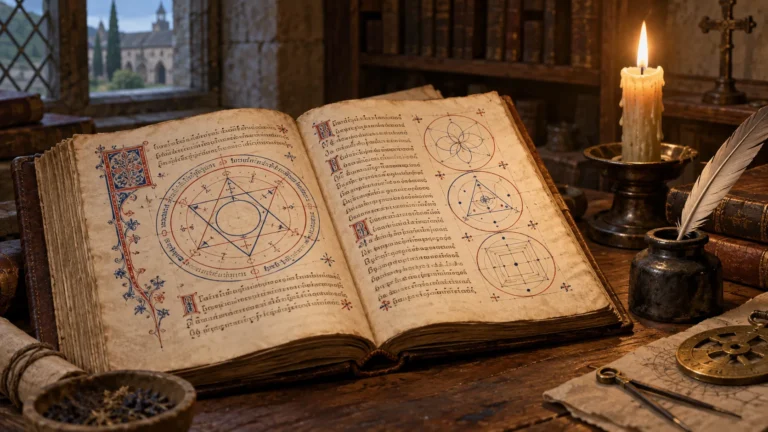
The Ars Notoria promised medieval readers help with memory and learning through prayer and diagrams. Surviving manuscripts show how its ritual instructions developed.
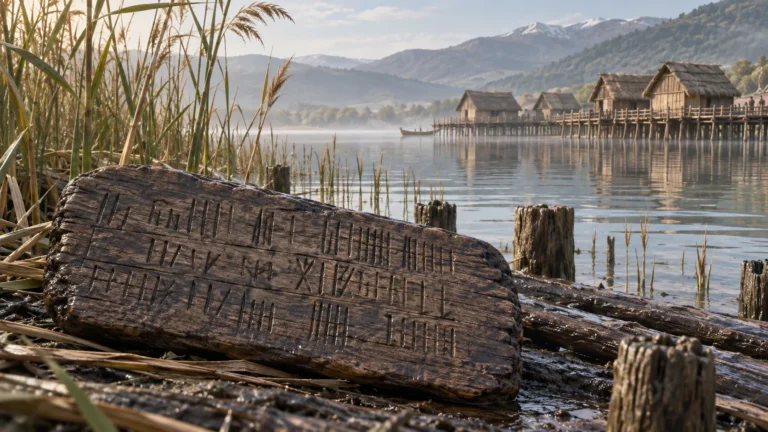
A wooden tablet from the Neolithic settlement of Dispilio dates to about 5260 BC. Its rows of deliberate marks have not been shown to record a language.
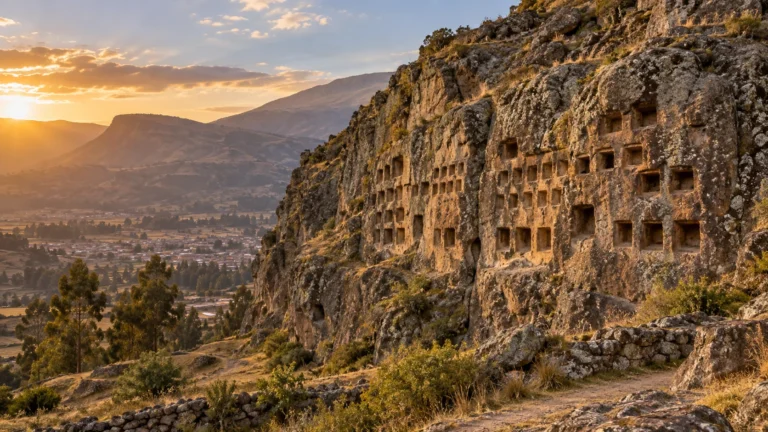
Ventanillas de Otuzco was a Cajamarca mortuary site cut into volcanic stone. Official surveys describe varied burial chambers and a modern rockfall hazard that threatens the remains.
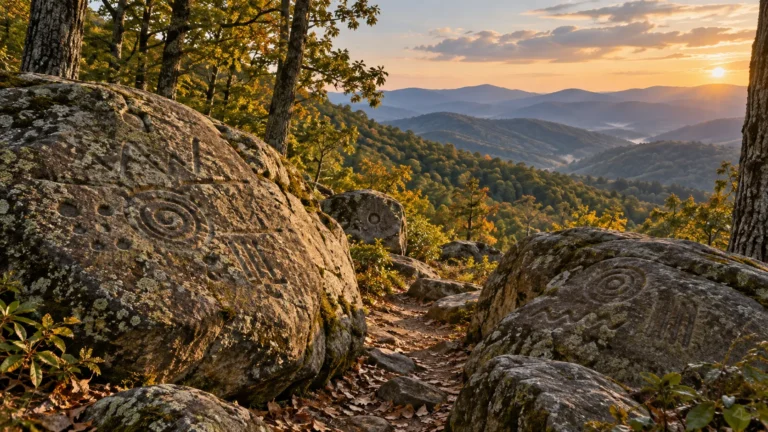
Track Rock Gap’s petroglyphs are documented as Native American. Comparisons with European rock art have raised contact claims, but dating, context and a clear chain of evidence remain essential.