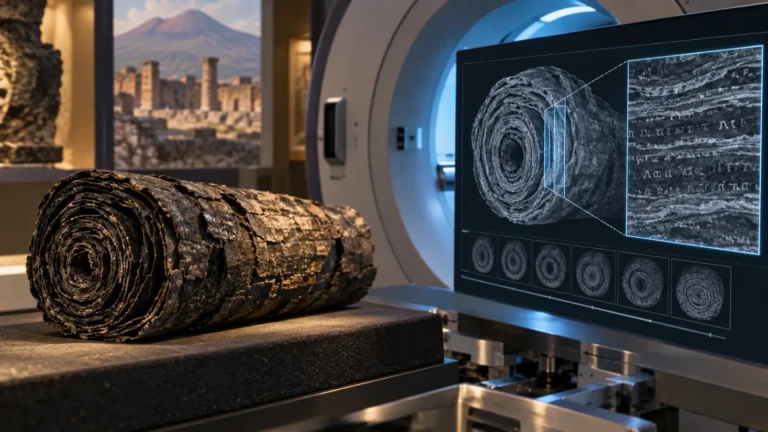
How Can Scientists Read a Scroll Burned 2,000 Years Ago?
A new proof-of-concept study shows how lead in ink could make some Herculaneum scrolls easier to read without opening them.
Independent reporting on space, archaeology and ancient worlds

For the passionately Curious
Browse Curiosmos
Discover the world’s most mysterious ancient civilizations, from lost cities and megalithic structures to forgotten knowledge and unsolved archaeological puzzles.
A new proof-of-concept study shows how lead in ink could make some Herculaneum scrolls easier to read without opening them.
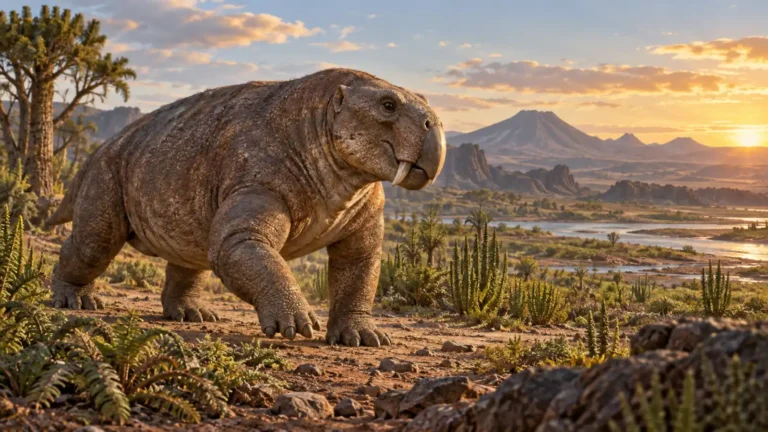
A newly named 240-million-year-old herbivore from Tanzania links African and South American rocks and may force a rethink of the earliest dinosaur timeline.
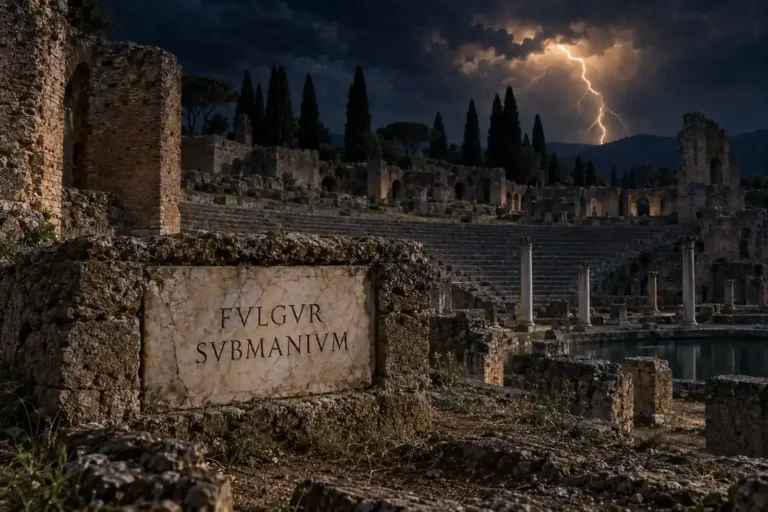
A marble inscription found in its original position at Hadrian’s Villa refers to a lightning strike attributed to Summanus—and the Roman ritual of making the place sacred.
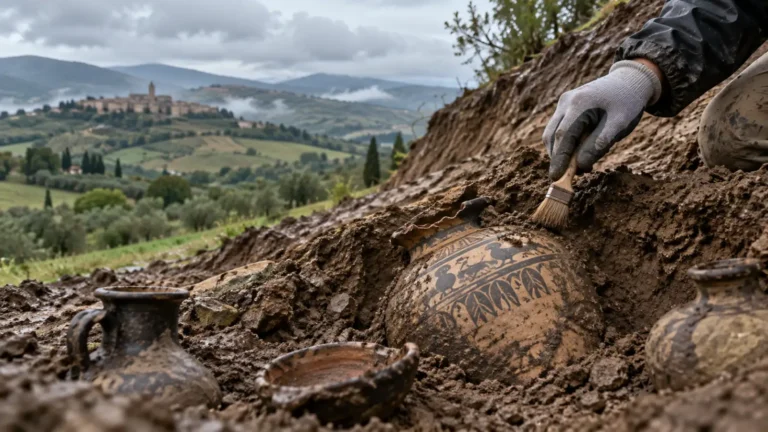
Heavy rain exposed a ceramic vessel near Sant’Elpidio a Mare. Archaeologists say it belongs to a Picene burial provisionally dated to the sixth century BCE.
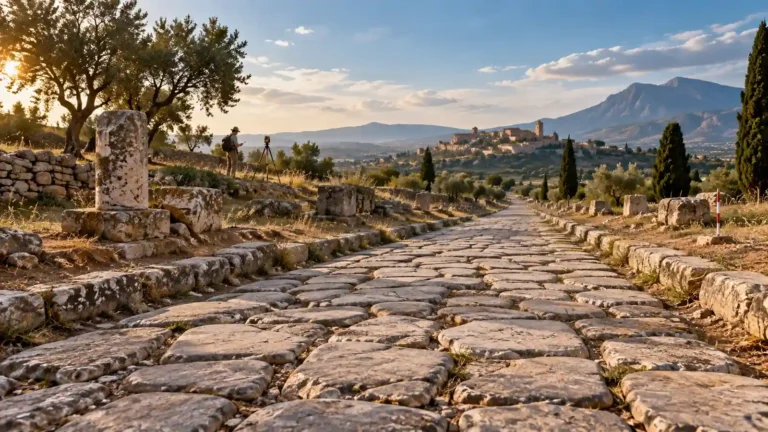
A new Nature Communications study mapped 299,171 kilometres of Roman roads and found that ancient routes still correlate with major modern roads.
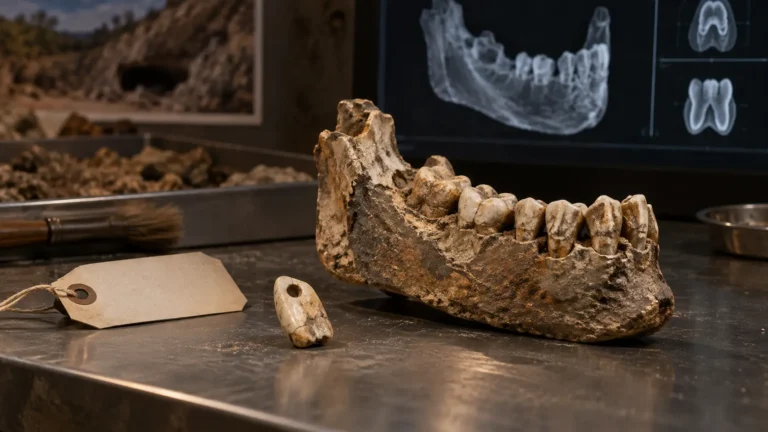
A new study of a 30,000-year-old mandible from Les Rois Cave places the specimen closer to early Homo sapiens than to Neanderthals. The result changes what the famous teeth can—and cannot—tell us about life in the Aurignacian.
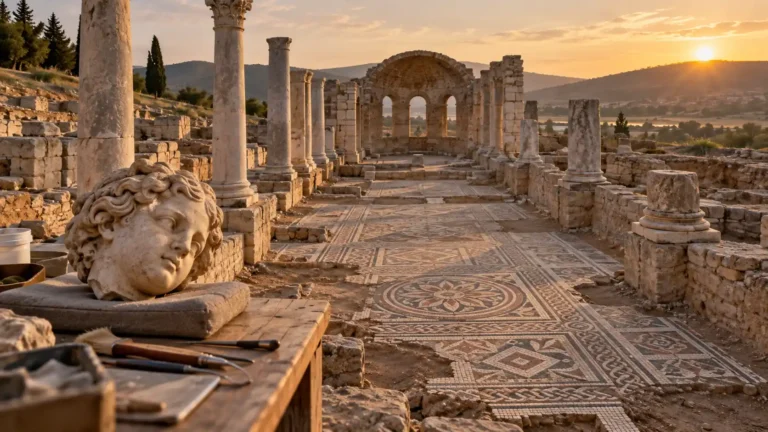
Archaeologists uncovered a 105-square-metre mosaic and a second-century Eros head at Pompeiopolis. What do the finds reveal about a changing city?
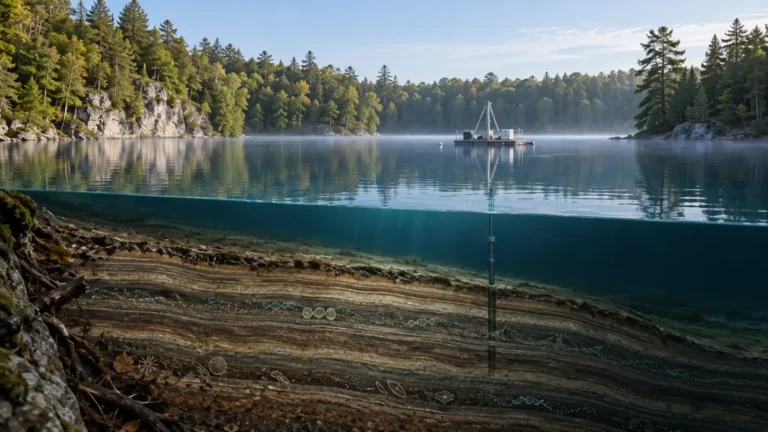
A new Molecular Ecology study reads environmental DNA in Crawford Lake’s layered sediment, following plants, animals, fungi, algae and bacteria through Indigenous farming, village abandonment and later settlement.
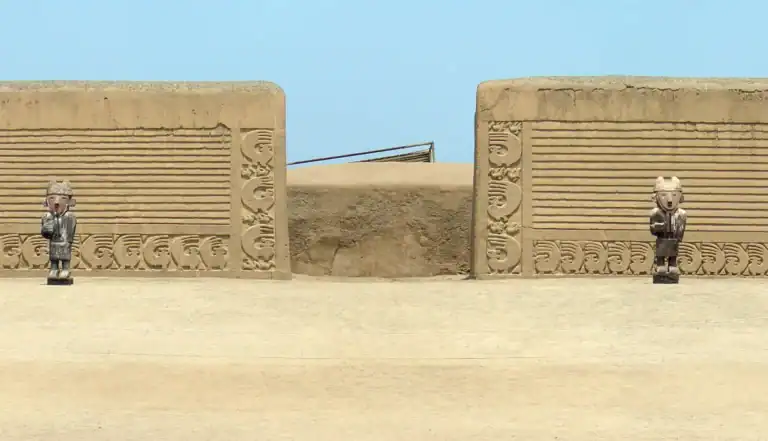
What can a Chan Chan burial platform preserve after six centuries of rain, wind and the attention of people looking for treasure? At Chan Chan, on Peru’s northern coast, archaeologists…
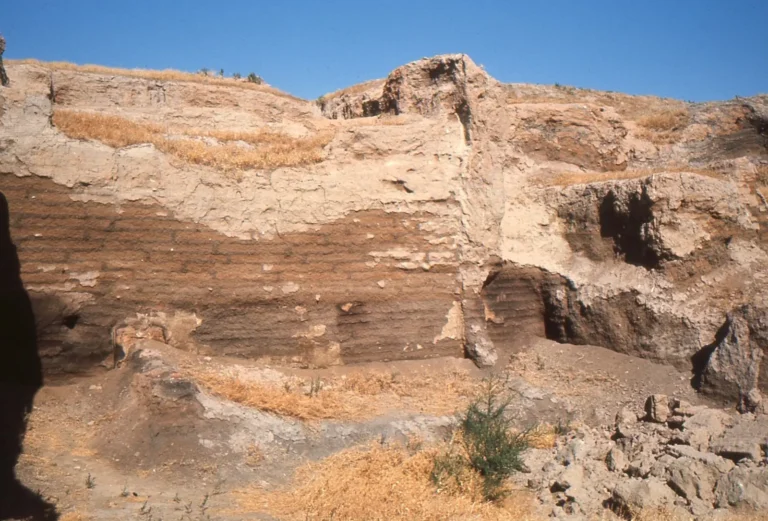
Archaeologists rarely identify a settlement from one object. They combine buildings, hearths, tools, food remains, activity areas, and patterns of rebuilding to understand a site.
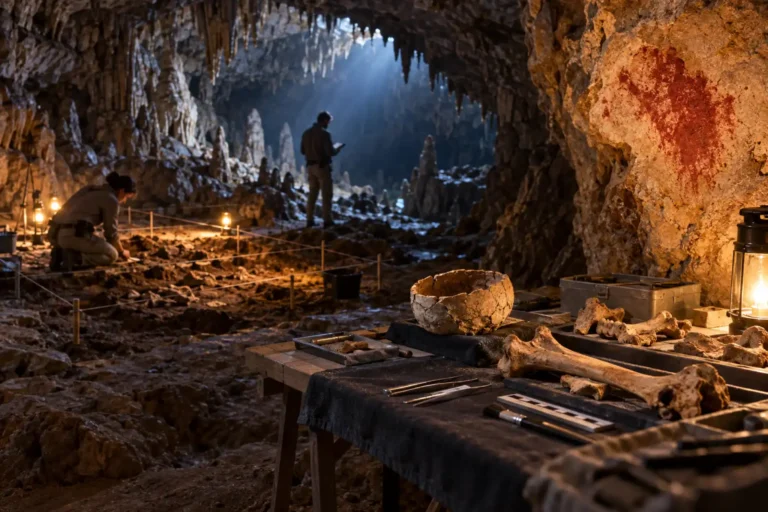
Nearly 1,000 bones and teeth from three Granada caves show that Neolithic cannibalism was not one practice or one event. The dates and traces point to different stories.
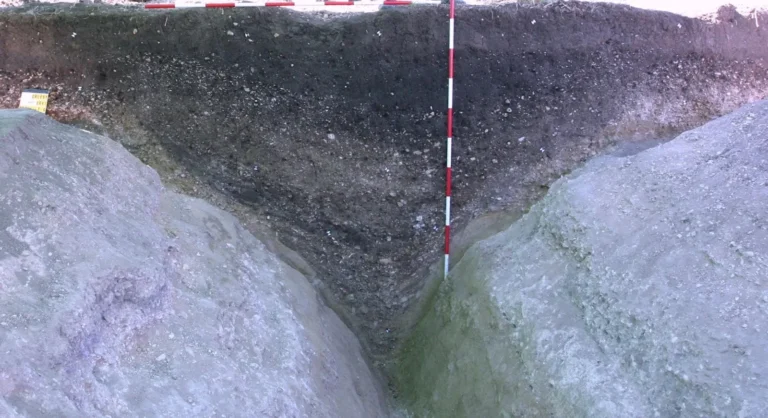
Twelve entrances opened onto the horizon at Chleby. The excavators link their directions to the Sun and Moon, raising questions about how people gathered there.
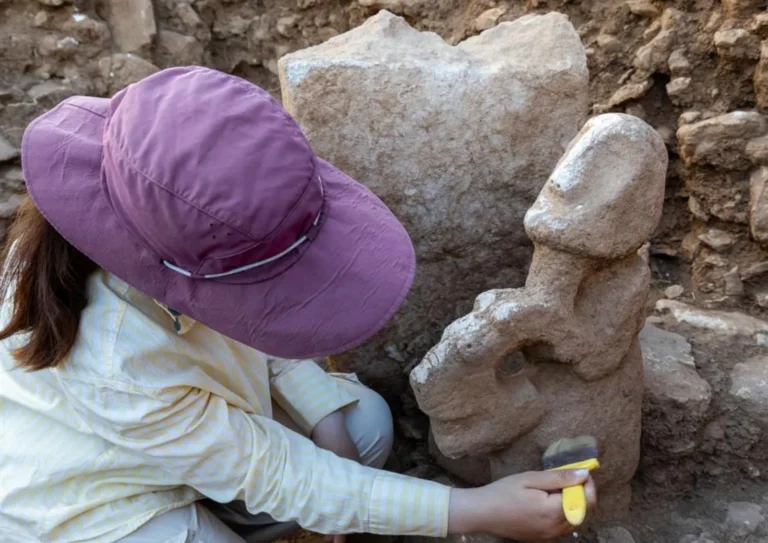
A person sits on a leopard in a sculpture found inside a small stone building. What did this unusual pairing mean to the people of Karahantepe?
A marble inscription found in its original position at Hadrian’s Villa refers to a lightning strike attributed to Summanus—and the Roman ritual of making the place sacred.
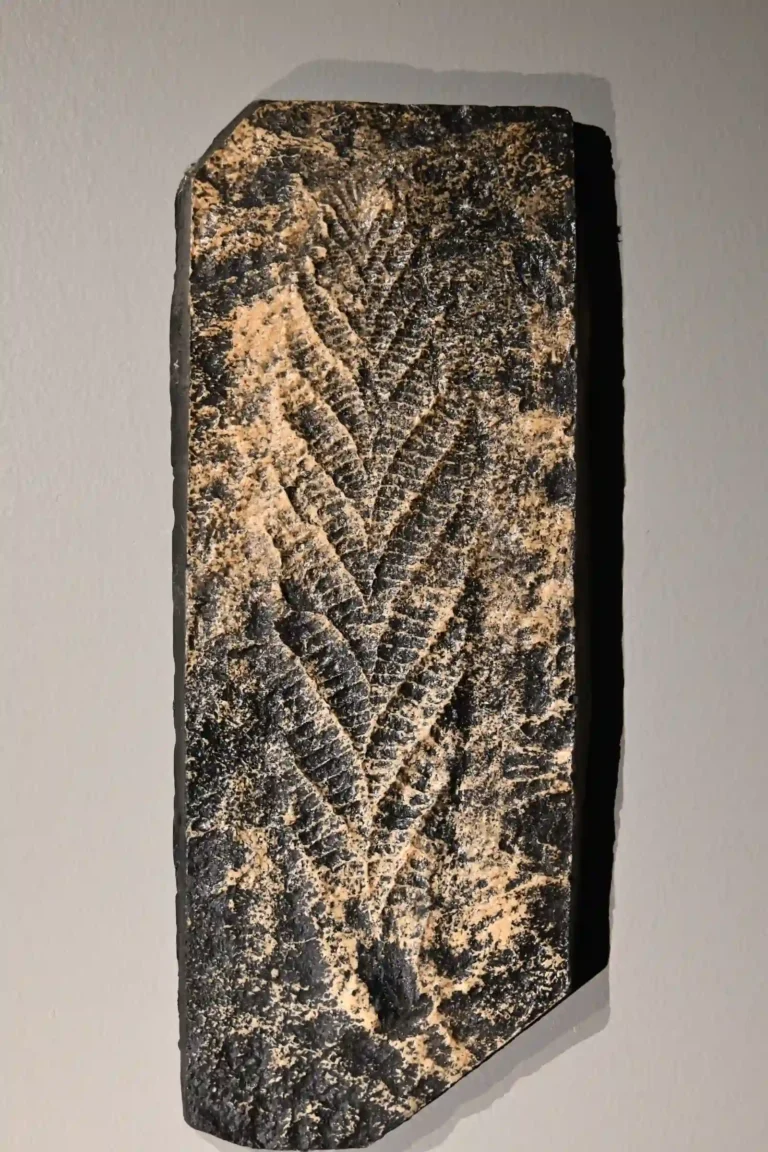
A Charnia fossil from Norway preserves rare ridges along its branches. Researchers trace how an underwater sediment flow may have carried and buried it.
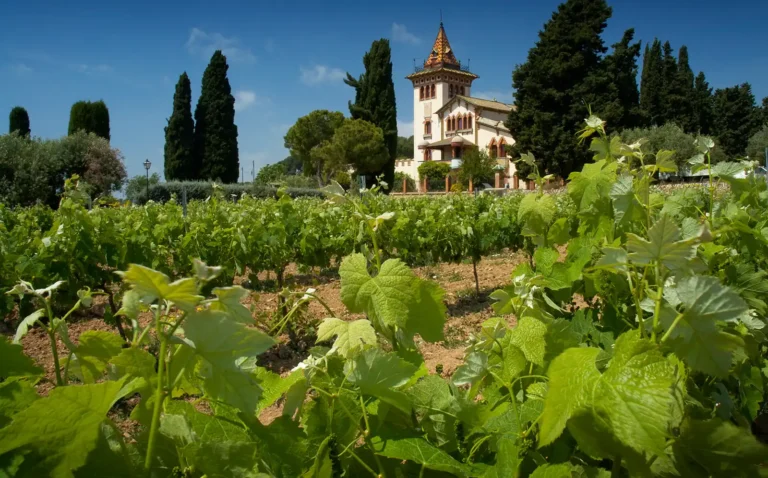
DNA from ancient grape seeds connects Iberian vineyards to eastern Mediterranean plants—and reveals how growers preserved lineages across millennia.
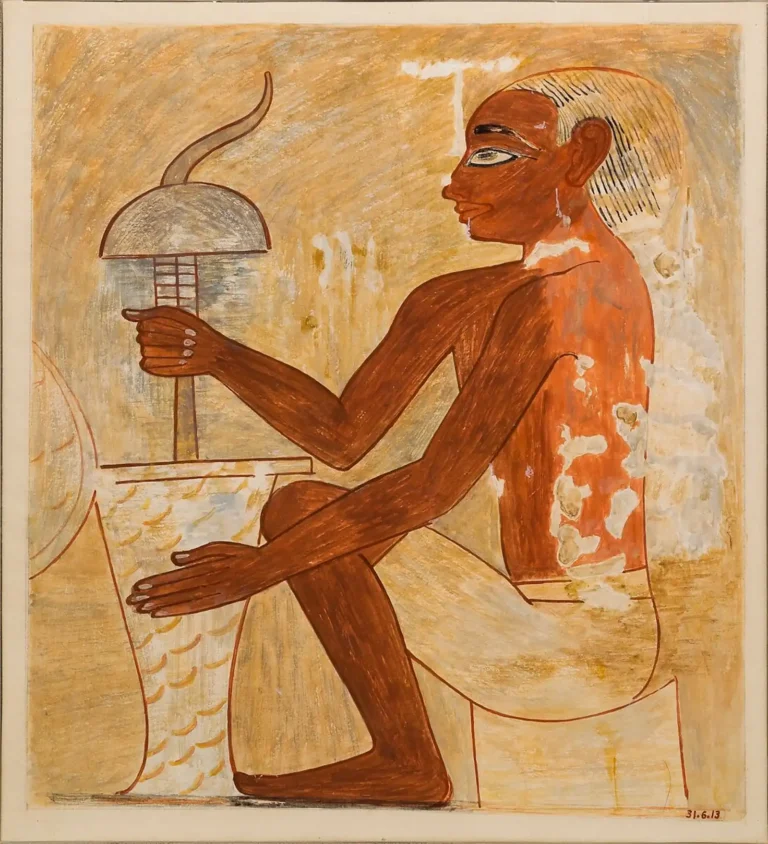
A finished stone vessel hides the work that made it. Unfinished objects, drill cores, a tomb painting and traces of abrasive bring the ancient workshop back into view.
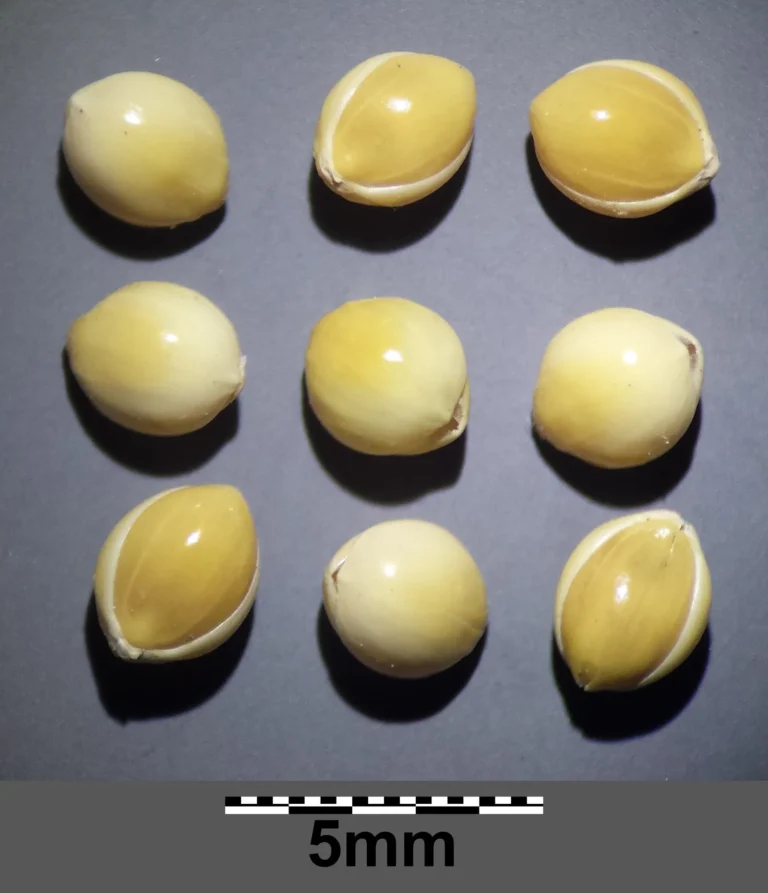
Isotopes reveal millet consumption in Poland around 1590 BCE—and show how some people adopted the new crop during their own lifetimes.
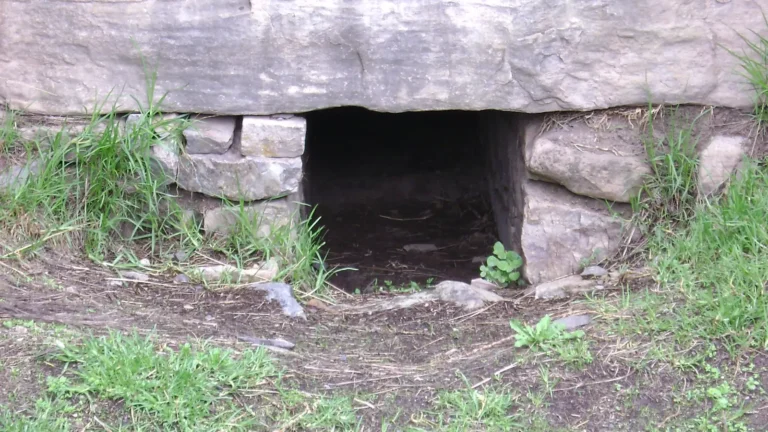
Playable shell horns and sound-filtering stone passages offer a way to investigate what visitors could have heard at Chavín de Huántar.
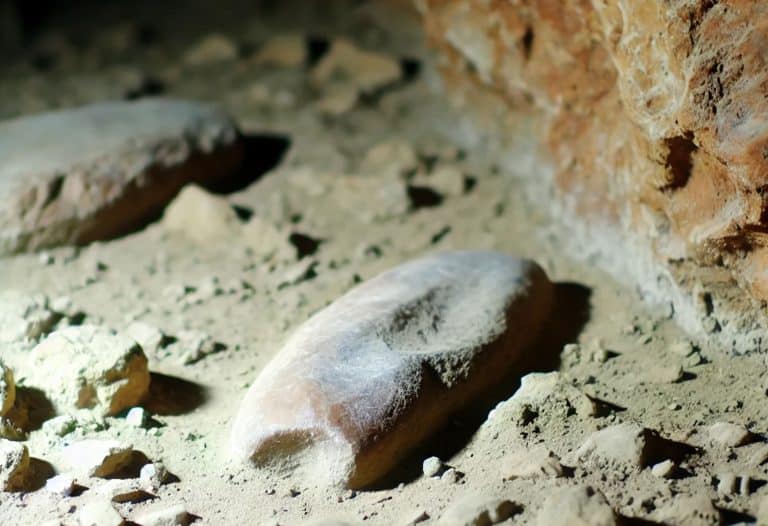
A 70,000–100,000-year-old site in China’s Lower Yangtze region yielded 3,596 stone artifacts. Their size and manufacture point to a change in toolmaking, but not to a known species or a settled explanation.
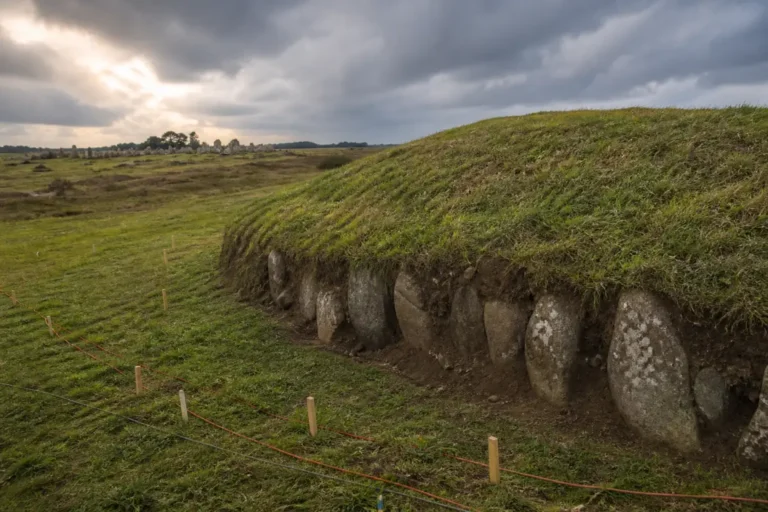
Electrical surveys at a Neolithic cemetery in Brittany have found strong signs of buried stone clusters inside two huge barrows. Only excavation can show whether the mounds conceal rare human-shaped monuments.
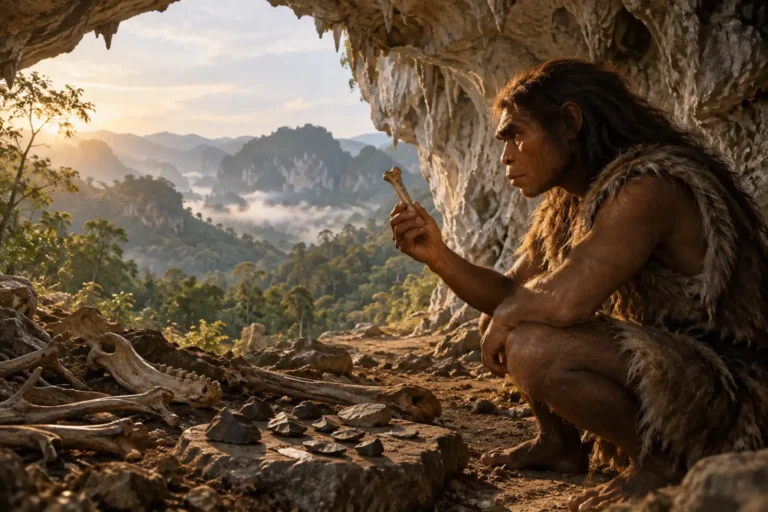
A partial radius from Bianfu Cave is the first confirmed Denisovan forearm bone. Together with teeth, skull fragments, tools and animal remains, it offers a rare look at how these elusive relatives of Neanderthals lived in southwest China.
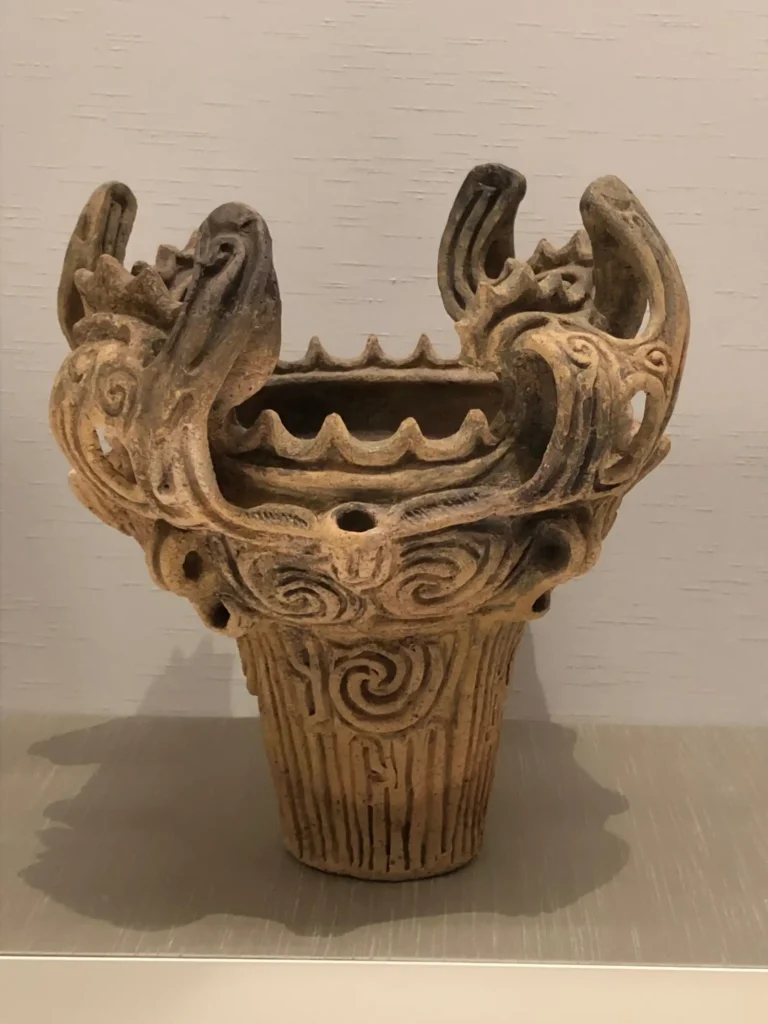
What can an 8,300-year-old Jomon genome reveal about prehistoric Japan? New high-coverage DNA sharpens the story of migration, isolation and cultural change.
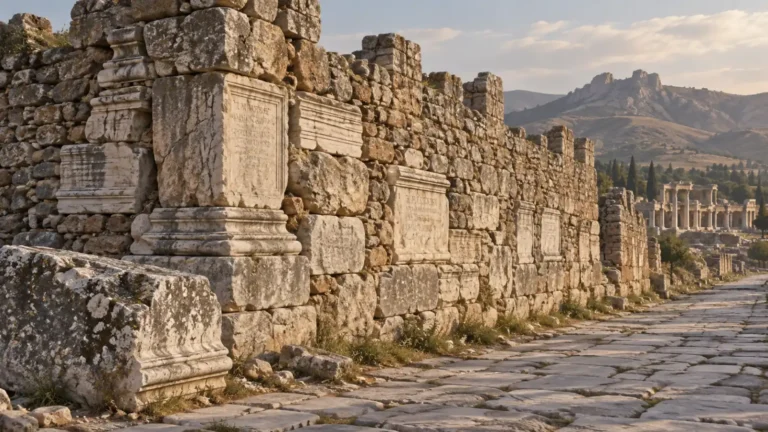
What does spolia mean? At Sardis, archaeologists found a late Roman wall built with pieces of an older temple, alongside other evidence of stones reused in streets and monuments.