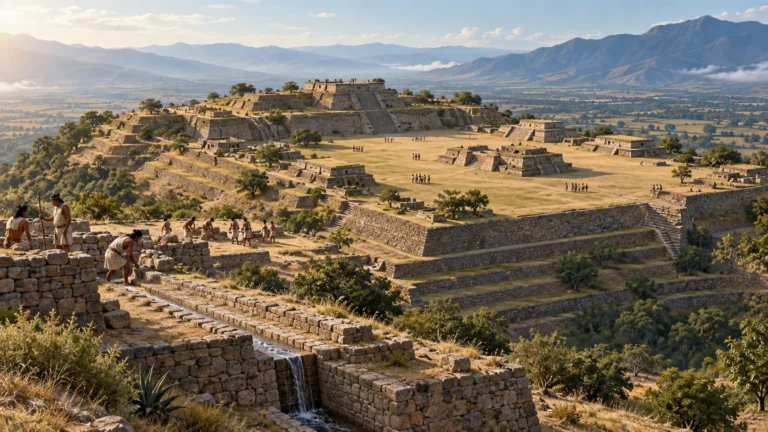
Monte Albán: The Zapotec City Built on a Flattened Mountain
Monte Albán’s terraces, plaza, tombs and waterworks show how Zapotec builders reshaped a mountain into a capital. The city’s role changed over 1,500 years.
Independent reporting on space, archaeology and ancient worlds

For the passionately Curious
Browse Curiosmos
Monte Albán’s terraces, plaza, tombs and waterworks show how Zapotec builders reshaped a mountain into a capital. The city’s role changed over 1,500 years.
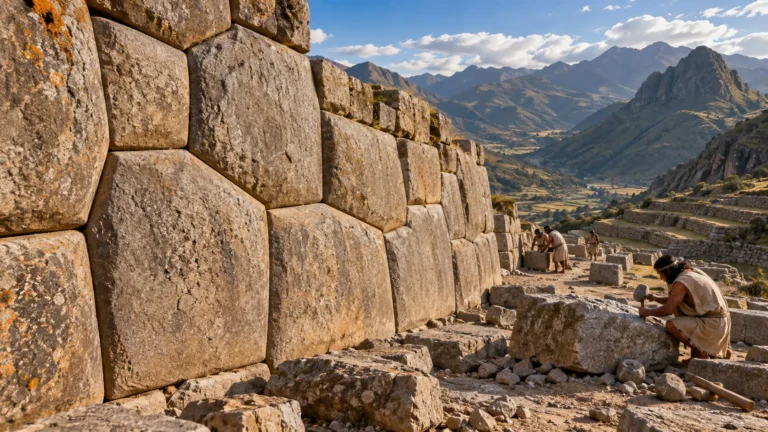
Inca masons shaped local stone one block at a time. Quarry evidence and unfinished walls help archaeologists reconstruct how they built, moved and fitted the stones.
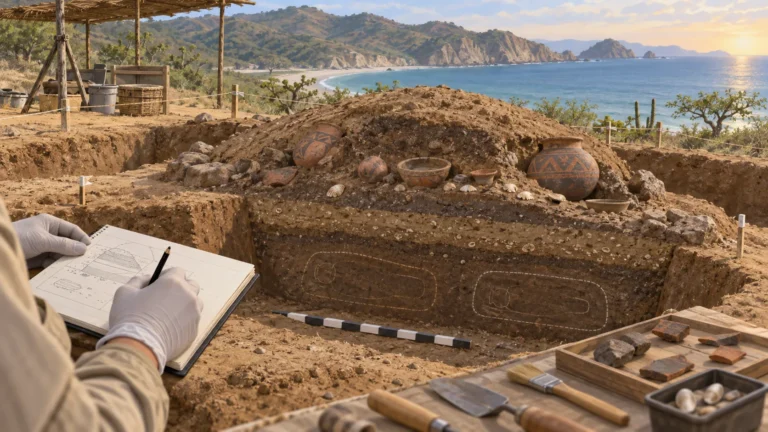
Two infants buried at Salango around 100 BC had older children’s crania placed around their heads. Archaeologists documented the unusual ritual but cannot yet say why it was done.
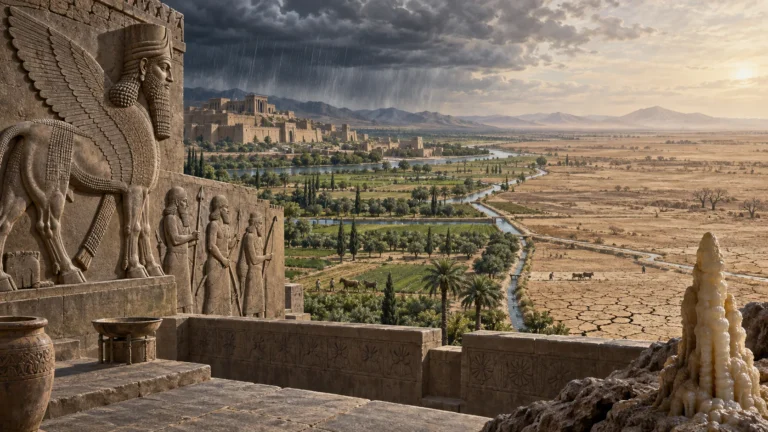
A cave record from northern Iraq suggests that drought narrowed the Neo-Assyrian Empire’s food supply before its capital fell in 612 BC. It adds climate context to a collapse already shaped by war and political conflict.
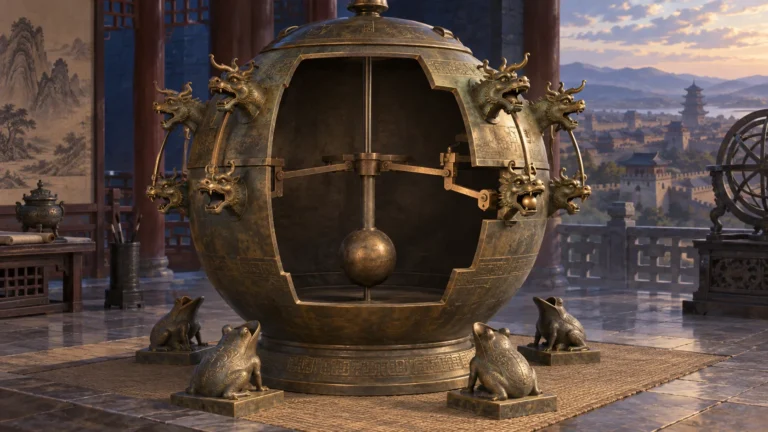
A Han-dynasty account describes Zhang Heng’s bronze seismoscope releasing a ball to indicate the direction of an earthquake. Modern replicas explore how the mechanism may have worked.
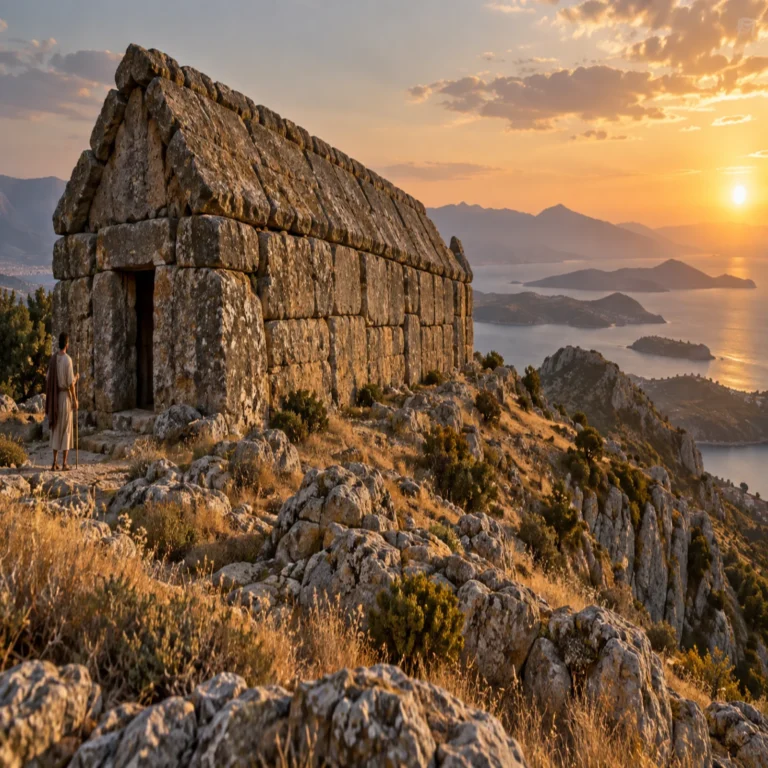
On Euboea, massive dry-stone buildings carry a name linked to dragons. Recent excavations date activity at some sites and offer clues to their use.

A 2026 study examined 80 grape seeds from Tuscan wells. Their DNA connects Etruscan and Roman vines with later varieties, while leaving wine recipes to other evidence.
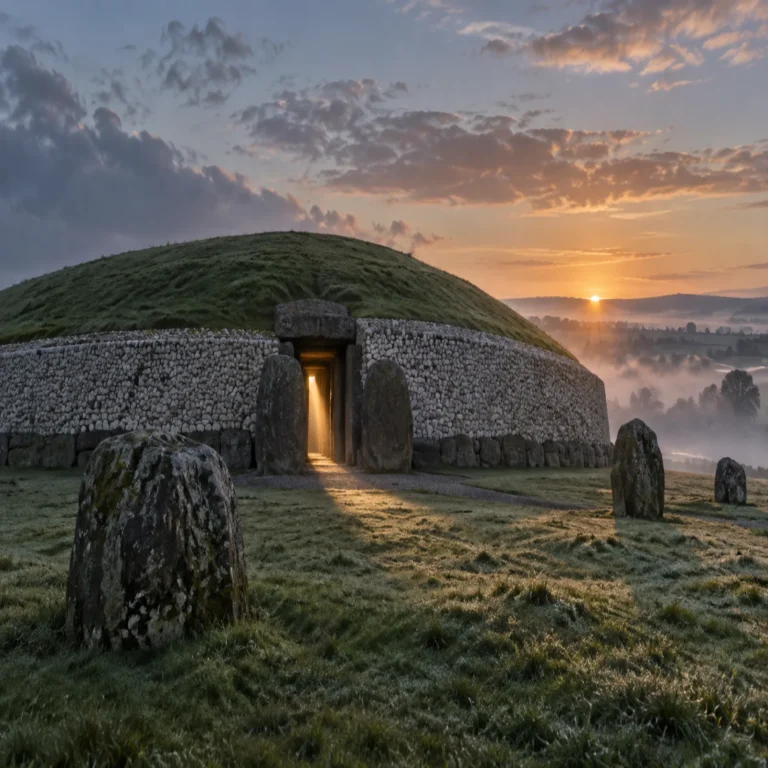
Newgrange’s roof box admits the low midwinter sun, sending a brief beam down the passage of a 5,000-year-old burial monument.
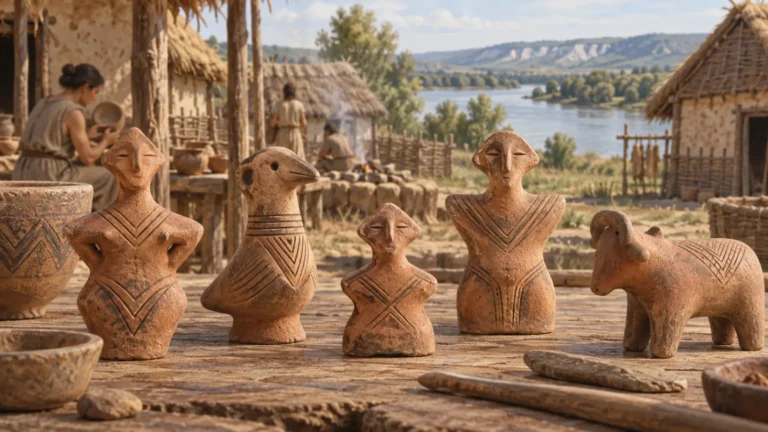
More than 6,000 years old, Vinča’s clay figurines show carefully shaped faces and bodies. Their archaeological settings offer clues to how people used them.
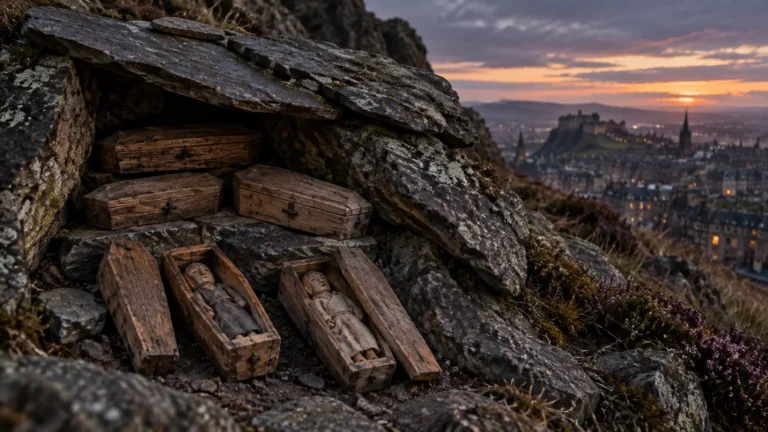
Found on Edinburgh’s Arthur’s Seat in 1836, the tiny coffins contain wooden figures and clues to a skilled maker. Their purpose remains debated.
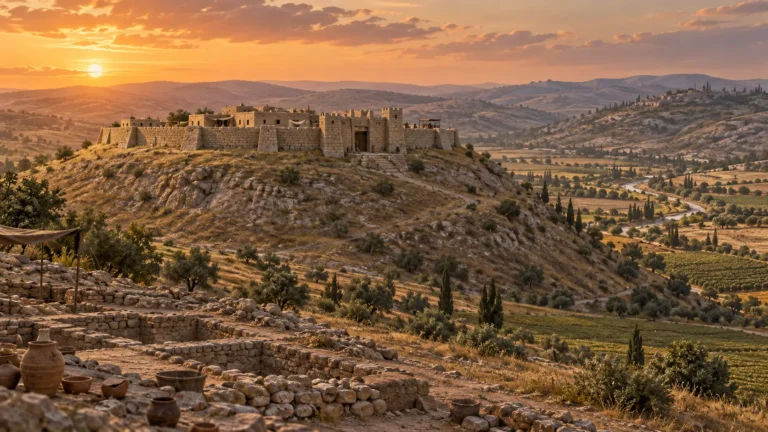
Tel Burna overlooks routes through the Judean Shephelah and preserves Bronze and Iron Age remains. Its fortifications fit a strategic town, but no inscription names it Libnah.
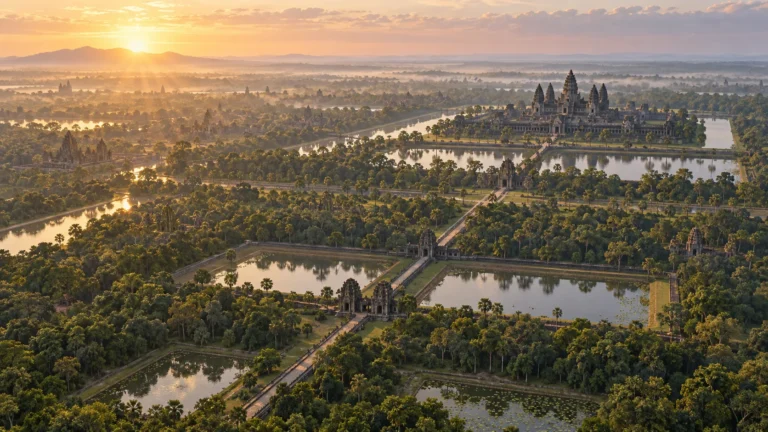
Reservoirs, canals and ponds helped support Angkor’s cities. Lidar surveys are revealing how the Khmer water network stretched beyond the famous temples.
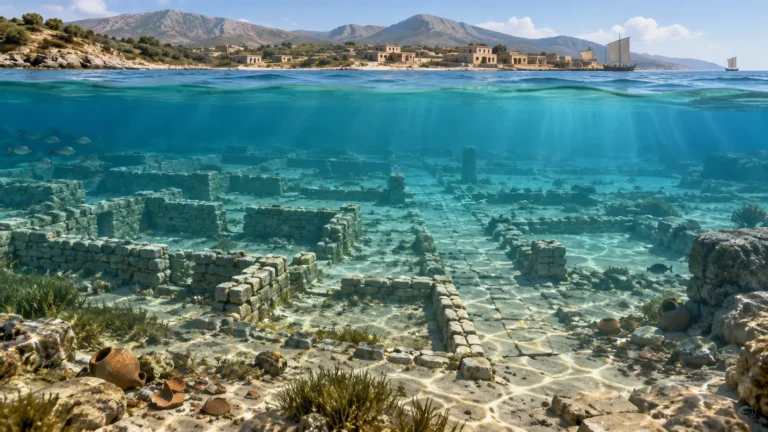
Under a few metres of water off southern Greece, straight lines cross the seabed and low walls outline rooms. They are the remains of Pavlopetri, a Bronze Age settlement in…
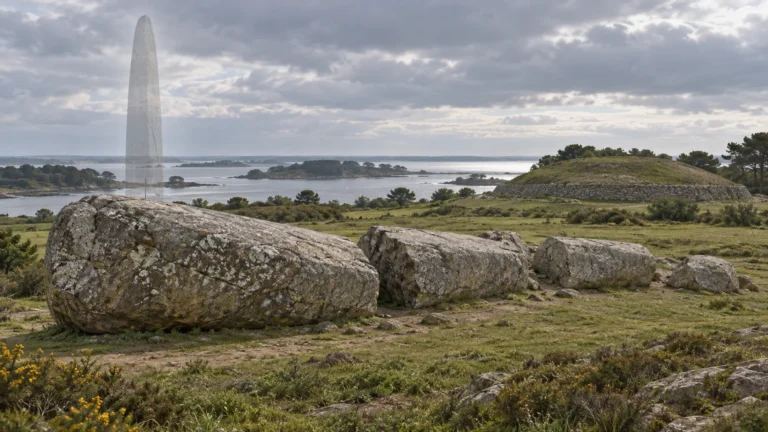
Four enormous fragments lie near the Breton coast where the Grand Menhir once stood. The original stone was about 20 metres long and weighed an estimated 280 tonnes. Neolithic builders…
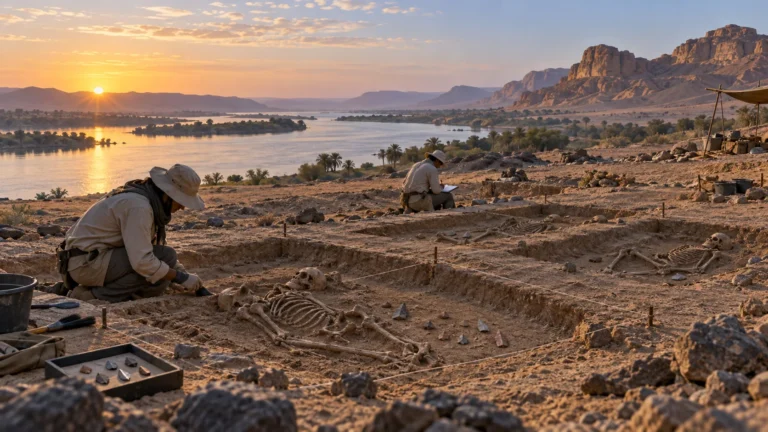
Jebel Sahaba, also known as Site 117, was excavated in the 1960s in what is now northern Sudan. The cemetery contained the remains of 61 people, including children. Many had…
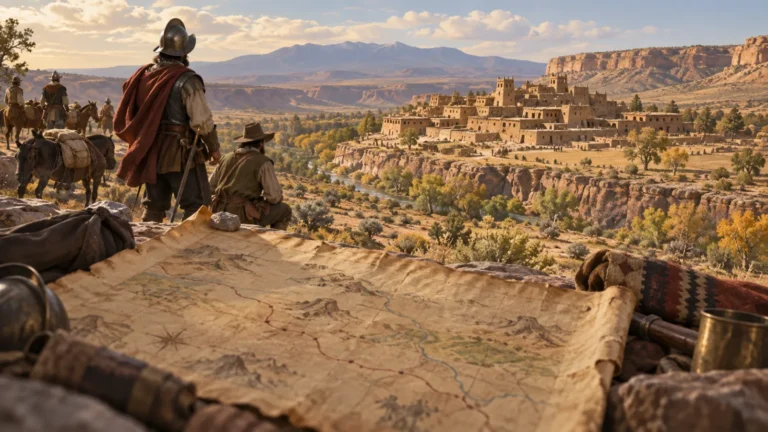
In 1540, a Spanish expedition set out toward seven cities said to glitter with gold. The name attached to them was Cíbola. Francisco Vázquez de Coronado crossed deserts, river valleys…
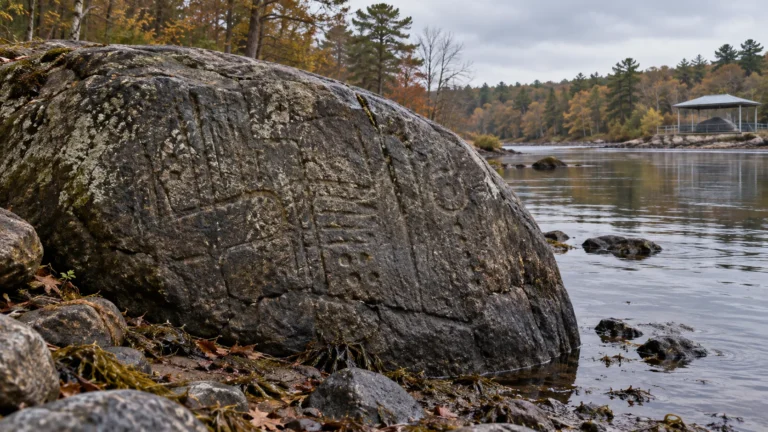
Is Dighton Rock really a Phoenician inscription? The evidence points to an Indigenous petroglyph site—and a long history of misreading it.
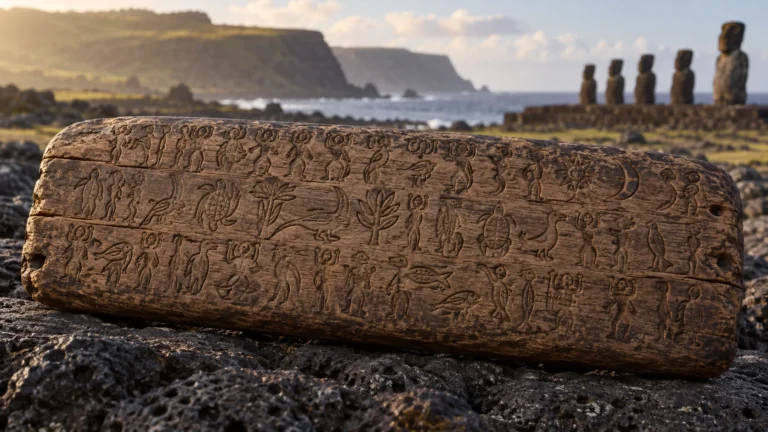
Why has the Rongorongo script never been deciphered? A small Rapa Nui corpus, lost context and new dating explain what researchers know—and what they cannot read.
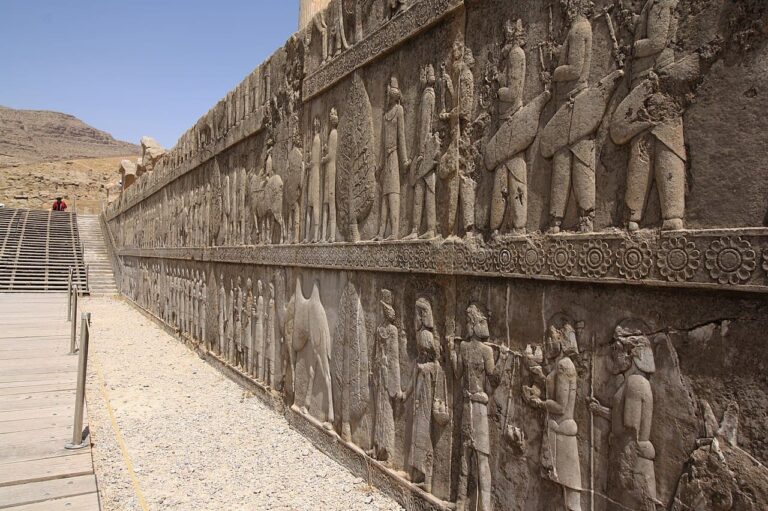
Why were Achaemenid kings buried high in the rock? The tombs at Naqsh-e Rostam reveal how Persian rulers used cliffs, inscriptions and royal imagery.
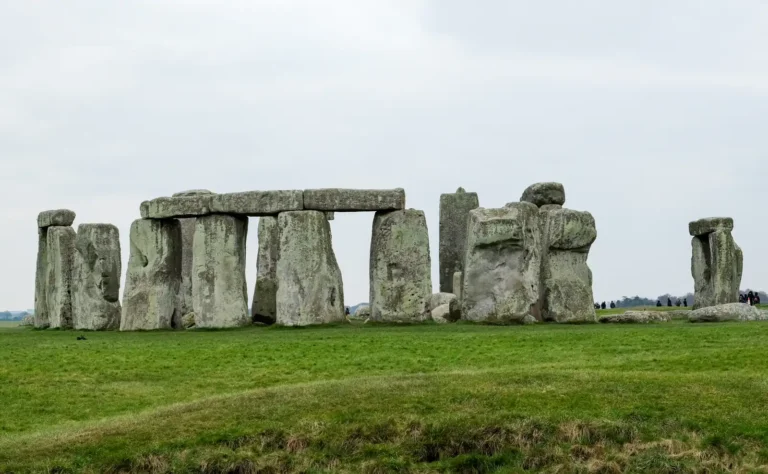
Archaeologists have found roughly twenty Neolithic rondels in Poland. Their circular ditches and palisades reveal organised communities, but their exact purpose remains open to evidence.

What counts as writing? Compare Uruk tablets, Egyptian signs and Jiahu marks—and see why the earliest script is hard to name.

A terracotta head from Calixtlahuaca has been called Roman. What do its date, style and incomplete excavation record actually show about pre-Columbian contact?
The last woolly mammoths survived on Wrangel Island thousands of years after the mainland herds vanished. Ancient DNA reveals a severe bottleneck, a long recovery and a final extinction that remains unresolved.

What do the mammoth traps at Tultepec reveal? INAH and UNAM evidence shows how pits, bones and lake sediments illuminate prehistoric hunting in Mexico.