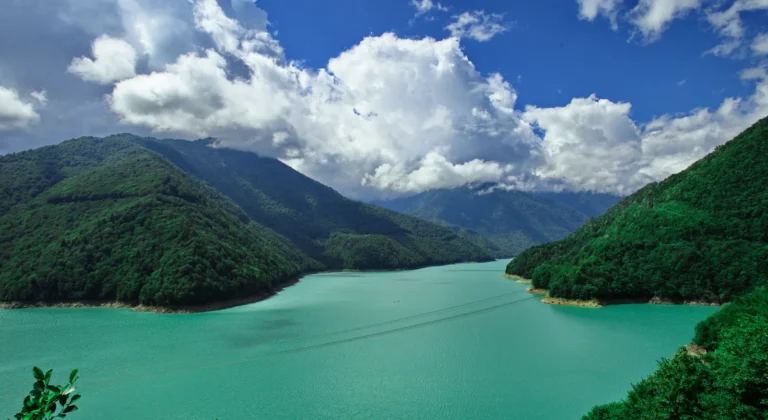
The Golden Fleece May Preserve a Memory of Gold Gathering in Colchis
Ancient accounts connect the Golden Fleece with gold caught in sheepskins. We examine Strabo, the river-mining mechanism and the original geological study.
Independent reporting on space, archaeology and ancient worlds

For the passionately Curious
Browse Curiosmos
Discover the world’s most mysterious ancient civilizations, from lost cities and megalithic structures to forgotten knowledge and unsolved archaeological puzzles.
Ancient accounts connect the Golden Fleece with gold caught in sheepskins. We examine Strabo, the river-mining mechanism and the original geological study.
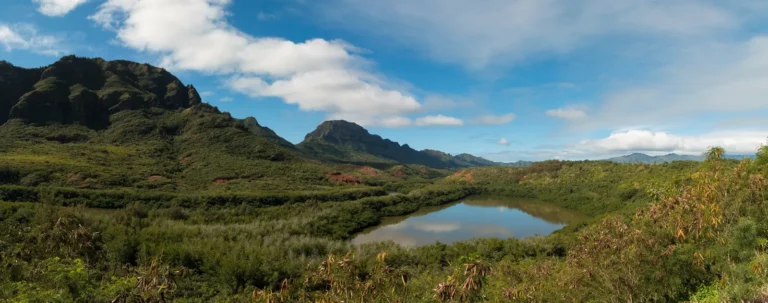
Alakoko’s wall links a Hawaiian Menehune legend with ingenious aquaculture. Its sediment, sluice gates and restoration reveal how the fishpond works.
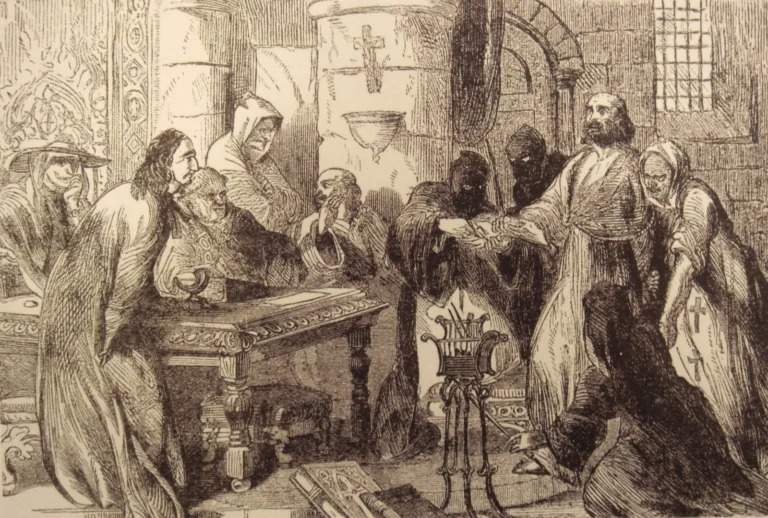
A near-contemporary chronicle records a warning at the Templar master’s execution. Reading it reveals a story more complicated than the familiar curse.
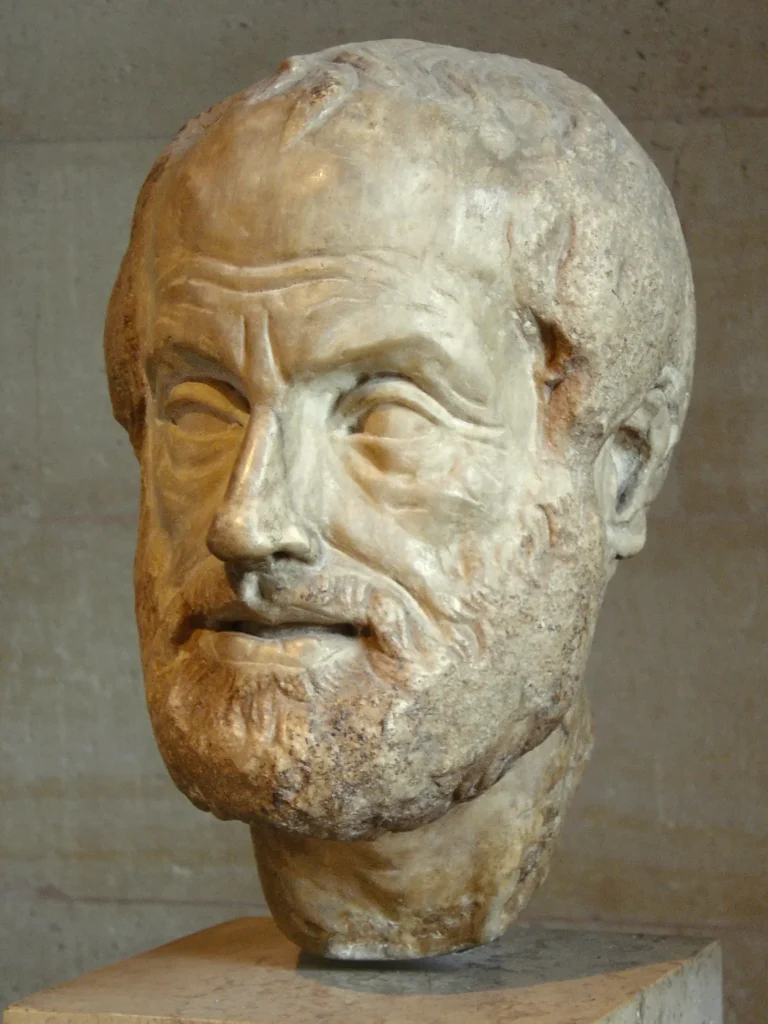
Aristotle’s aether began with a question about motion. Its later history shows how the same name could describe very different ideas about space.
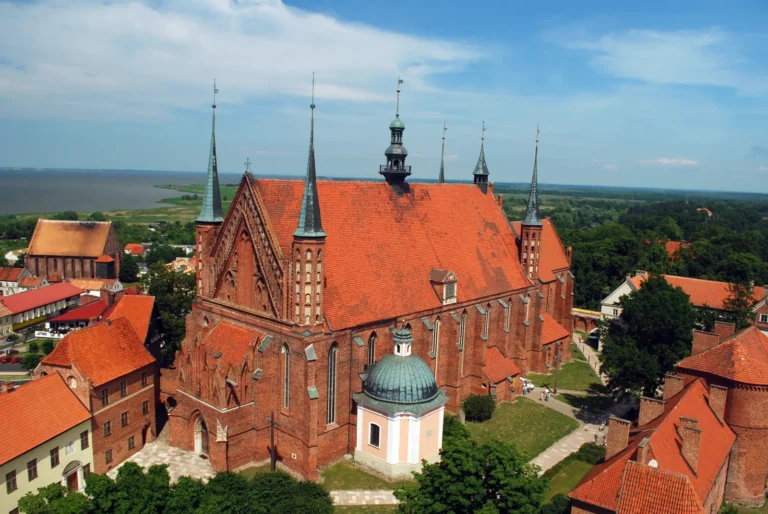
Copernicus’s grave was identified through archaeology and DNA from hairs found in an old book. The original study shows both the strength and the limits of the match.
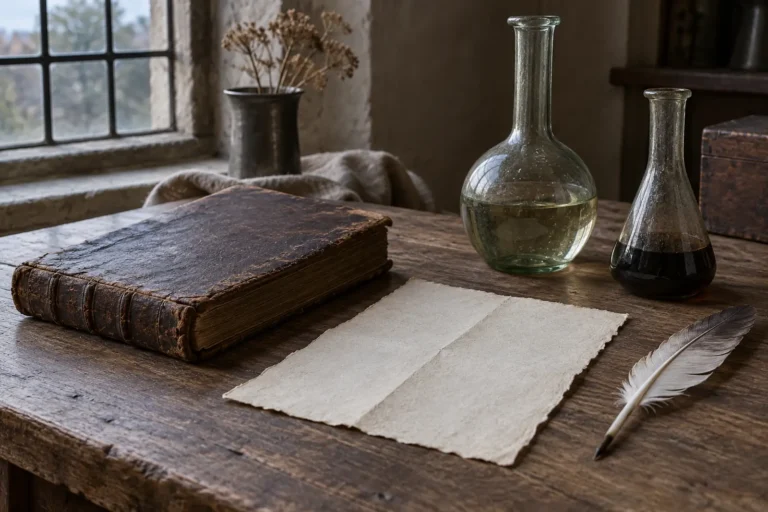
Newton copied and interpreted the Emerald Tablet. His surviving manuscript reveals how its Sun, Moon and earth imagery became alchemical instructions.
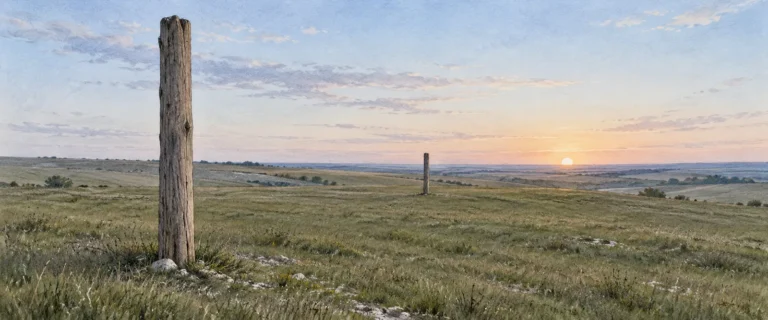
A reconstruction of the ancient horizon places two Bulford posts on a solstice axis. The alignment belongs to the era of Stonehenge’s earliest earthworks.
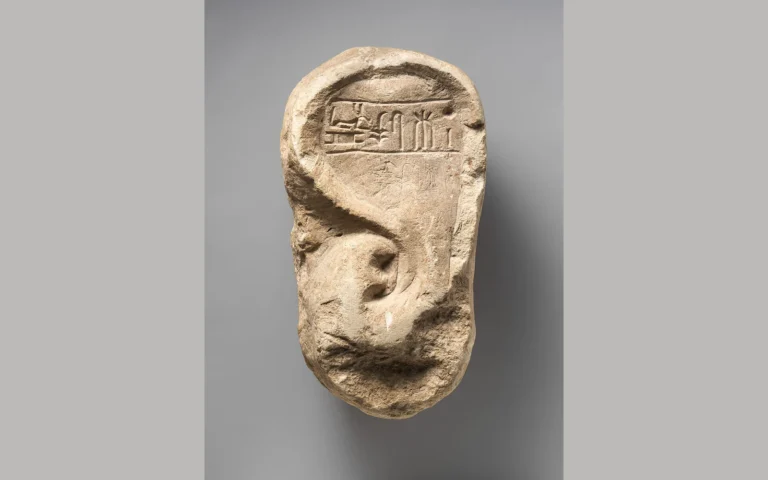
Egyptian ear stelae pictured the act of listening. Museum objects from Memphis and Deir el-Medina show how worshippers asked gods to hear them.
Excavations at Khirbet Qana have uncovered a Jewish settlement and a later Christian shrine. Together, they explain why the site is a candidate for Cana.
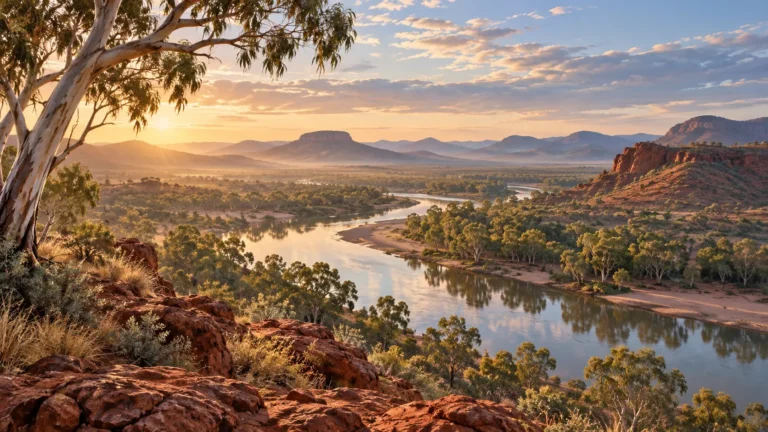
The Marlaloo songline follows two serpents across Nyikina Warrwa Country. Its elders chose new custodians while recording and mapping the journey.
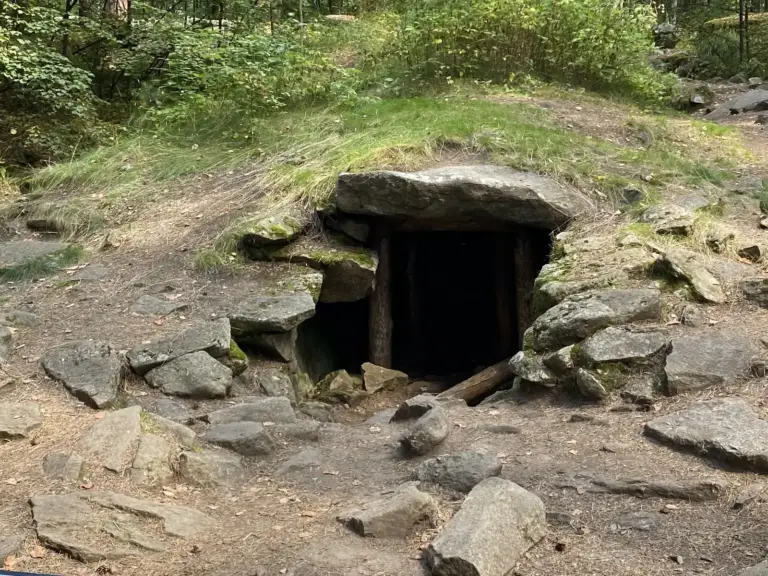
Stone chambers on Lake Turgoyak raise questions about prehistoric gatherings. Excavated animal bones offer a glimpse of the people around them.
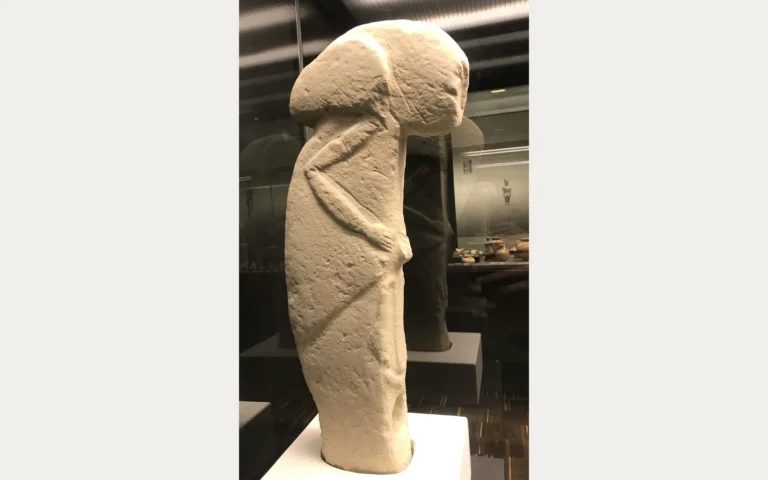
The Kilisik sculpture combines a T-shaped head, a carved face and an ambiguous embrace. Comparing it with excavated Neolithic art reveals more than its unusual appearance.
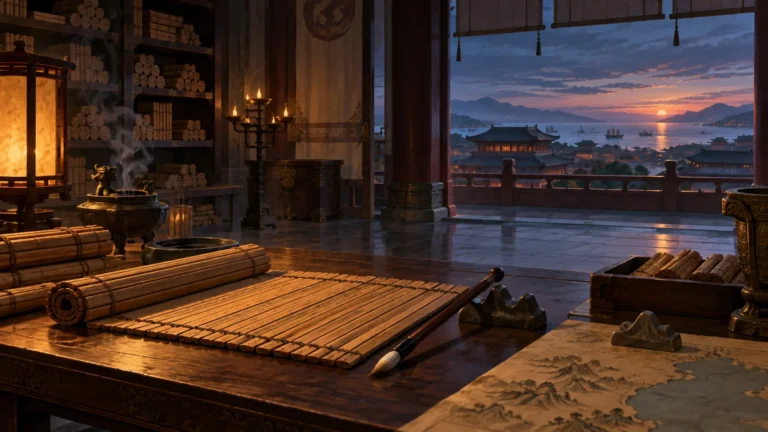
Replies preserved in the Liye archive turn Qin Shi Huang’s search for immortality from a later legend into a glimpse of how the empire worked.
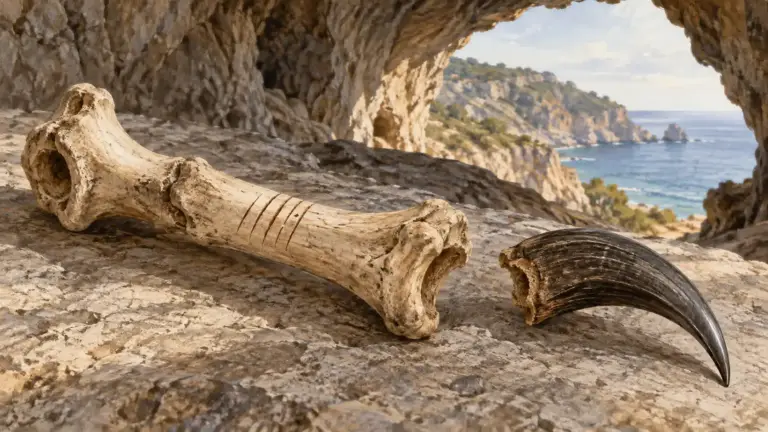
Twelve cut marks on a Neanderthal-era eagle toe bone may record the removal of its talon. Researchers argue it was taken for symbolic use, though the claw itself was not found.

A wolf jaw, bone chemistry and ancient DNA have all been used to investigate whether Ice Age hunters fed wolves at Gnirshöhle. A 2026 genome study found modern dog DNA contamination in several cave samples.
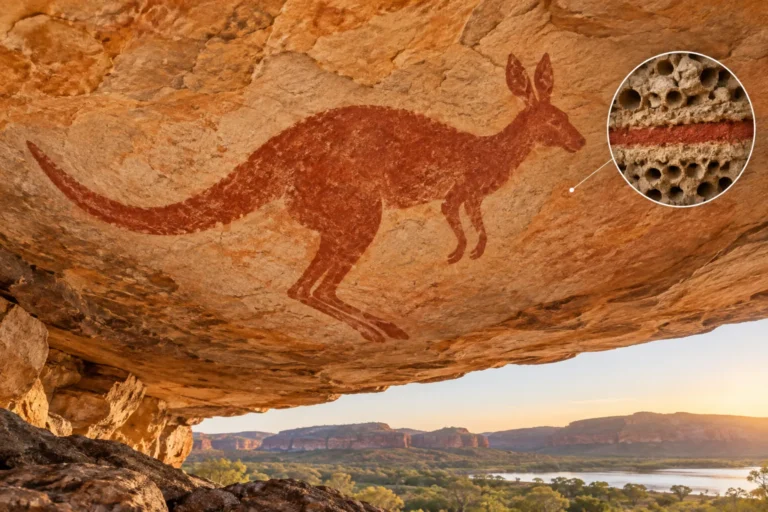
Charcoal from six mud-wasp nests, layered above and below the ochre, dates a Kimberley kangaroo painting to between 17,500 and 17,100 years ago.
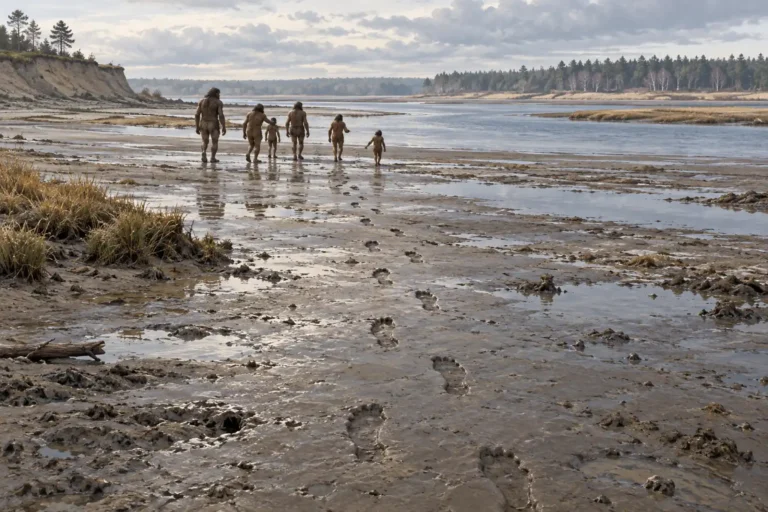
Photographed before the tide wore them away, the Happisburgh footprints preserve a small group crossing an estuary in Norfolk between about 1 million and 780,000 years ago.
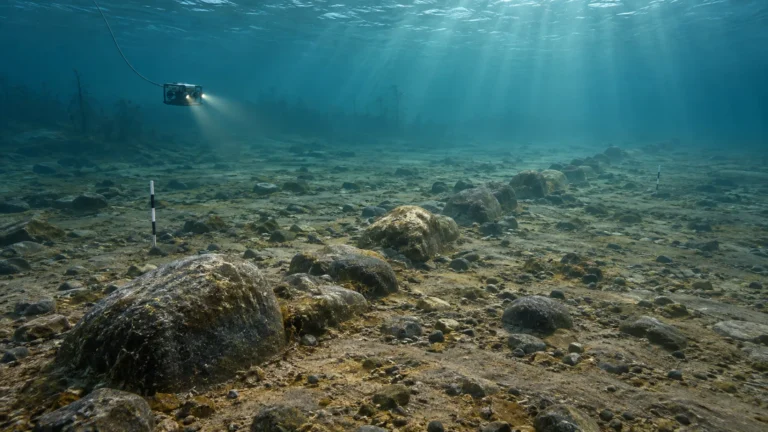
A line of stones beneath Grand Traverse Bay became an “underwater Stonehenge” online. Here is what divers recorded, what remains unproven and how Lake Huron offers a useful comparison.
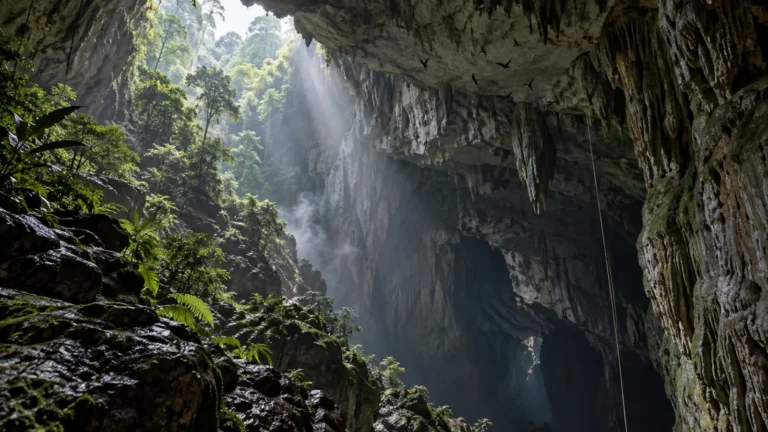
Cueva de los Tayos is an oilbird cave in Shuar territory in Ecuador. The 1976 expedition documented cave passages, birds and archaeological questions, not a catalogue of metal books.
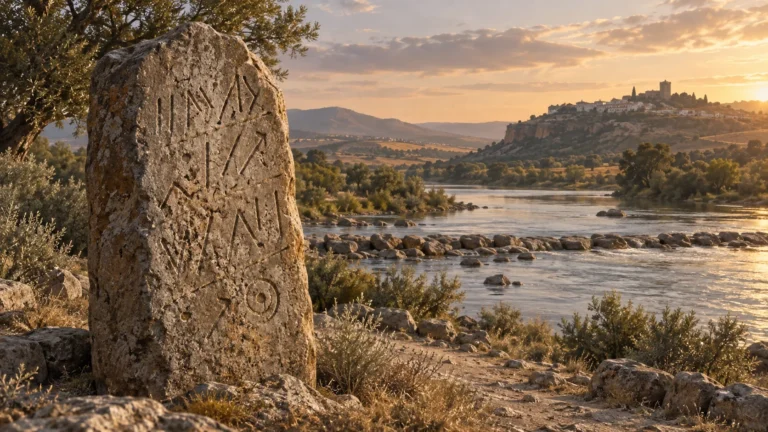
The Montoro stela bears 31 engraved motifs, some resembling signs from Mediterranean scripts. Researchers cannot date it precisely or identify a readable language.
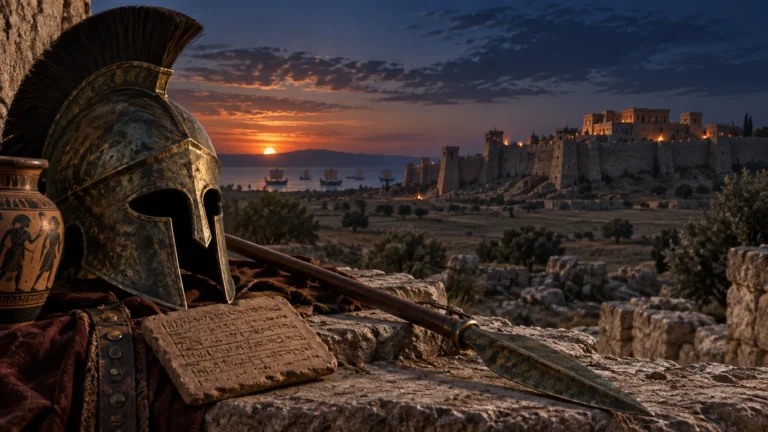
Troy was a real Bronze Age city, but no inscription or burial identifies Achilles. Homer’s poem preserves a powerful story shaped by generations of oral tradition.
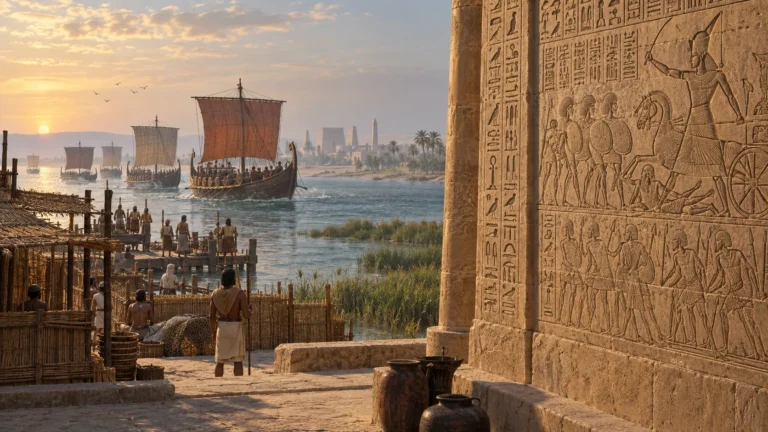
Egyptian records describe an attack by groups later called the Sea Peoples. Drought, disrupted trade and political strain were also reshaping the eastern Mediterranean.
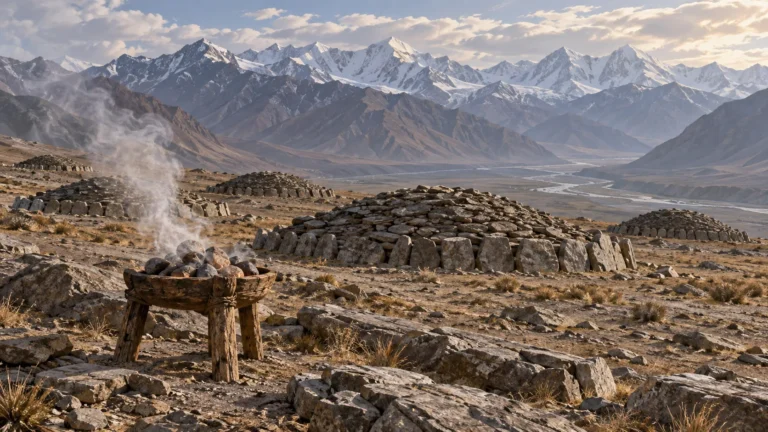
Researchers found cannabis residues in braziers and heated stones from Jirzankal Cemetery in the Pamirs. The chemistry links the plant to a mortuary ritual, while its meaning remains unknown.
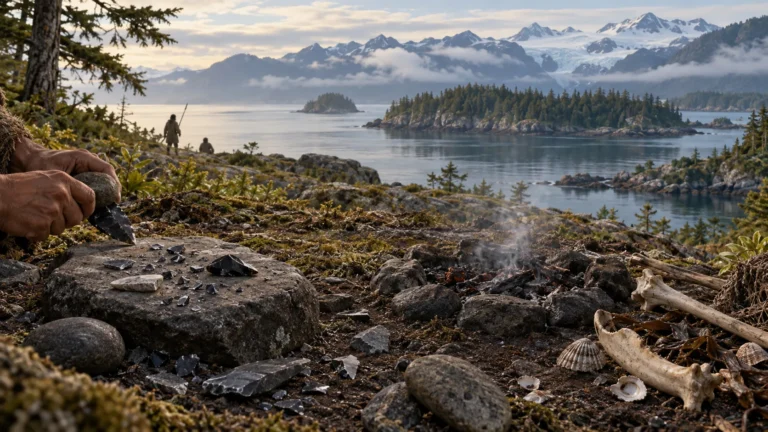
Radiocarbon-dated charcoal places activity at Triquet Island as early as 14,000 years ago. The site preserves generations of coastal life, trade and adaptation in Haíɫzaqv territory.