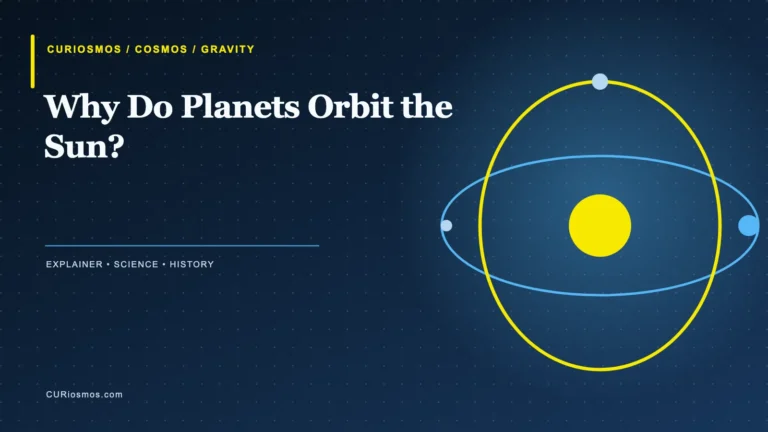
Why Do Planets Orbit the Sun?
Why do planets orbit the Sun instead of falling into it? The short answer is that gravity pulls the planets inward while their sideways motion carries them forward. The combination…
Independent reporting on space, archaeology and ancient worlds

For the passionately Curious
Browse Curiosmos
Why do planets orbit the Sun instead of falling into it? The short answer is that gravity pulls the planets inward while their sideways motion carries them forward. The combination…
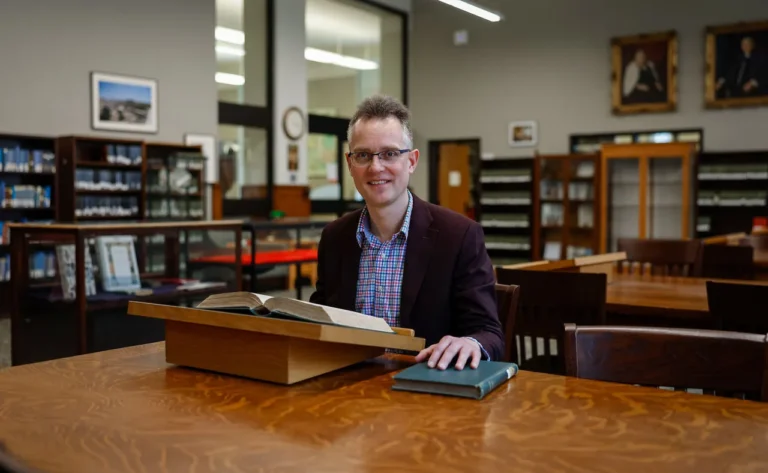
A collection of 50 battered parchment fragments has been joined into a page of Roman law that had been broken apart for centuries. Researchers at the University of Cincinnati matched…
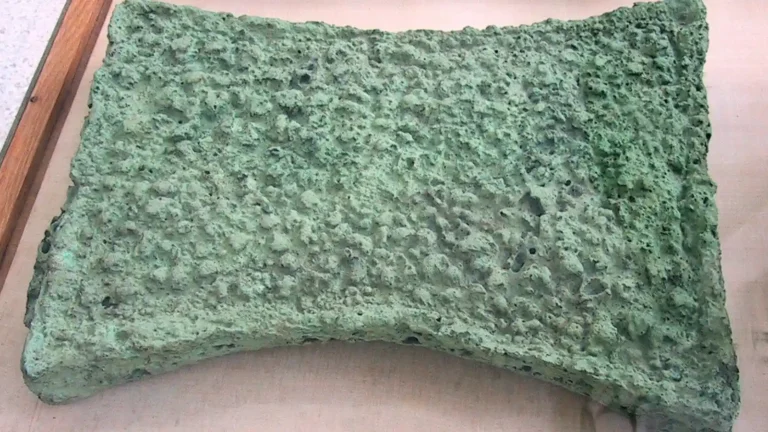
How did Bronze Age trade connect distant cities? It worked through a chain of exchanges rather than one giant market controlled from a single capital. Copper and tin moved toward…
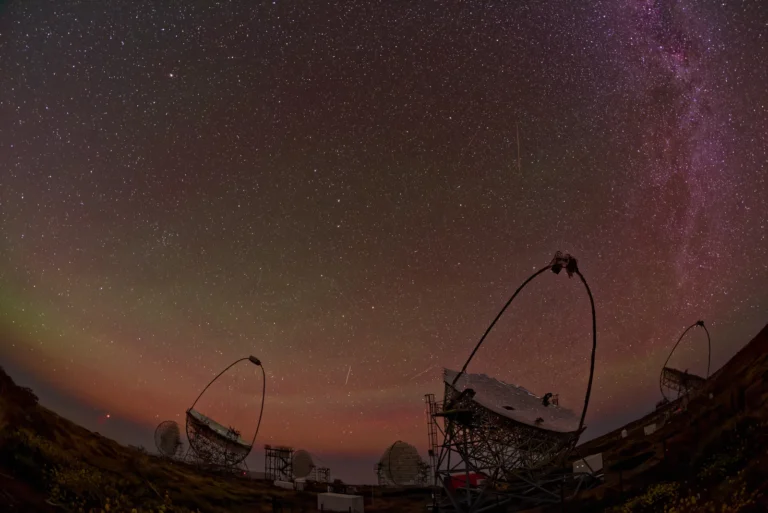
Astronomers have detected the highest-energy gamma rays ever recorded from a blazar at this distance. The source, OP 313, is an active galaxy whose central black hole is feeding on…
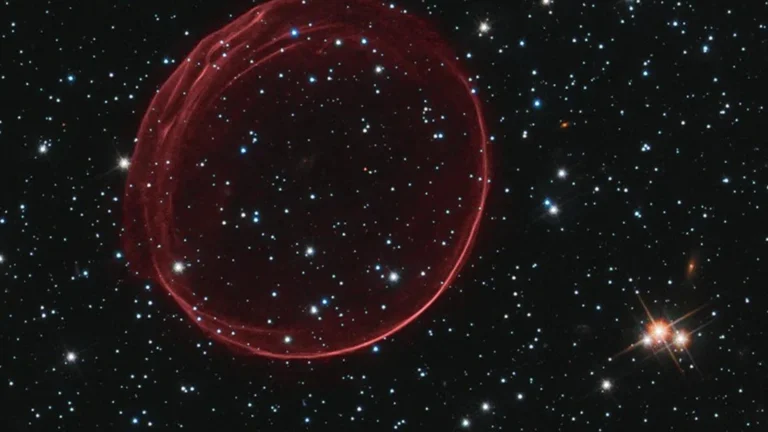
What is a supernova? It is a stellar explosion powerful enough to briefly outshine an entire galaxy. Some supernovae mark the collapse of massive stars. Others happen when a dense…
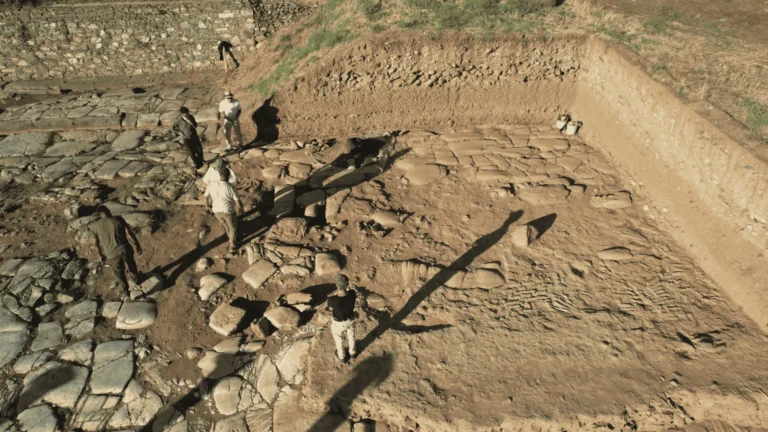
At Sardis in western Türkiye, archaeologists have recovered a statue that spent part of its life as building material. The figure was made nearly 2,500 years ago, broken in two…
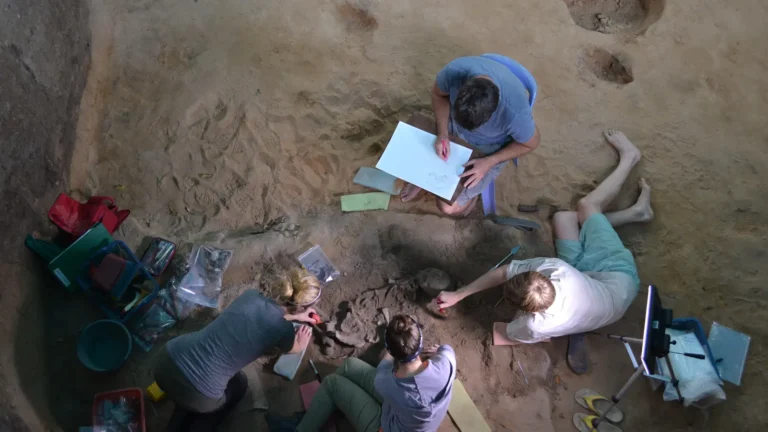
How do archaeologists reconstruct an ancient diet? They rarely find a complete meal waiting in a bowl. Instead, they assemble small traces: charred seeds, animal bones, fish scales, grinding stones,…

JWST observations reveal uneven water-ice and carbon-dioxide patterns across Callisto, including a striking difference between its leading and trailing hemispheres.
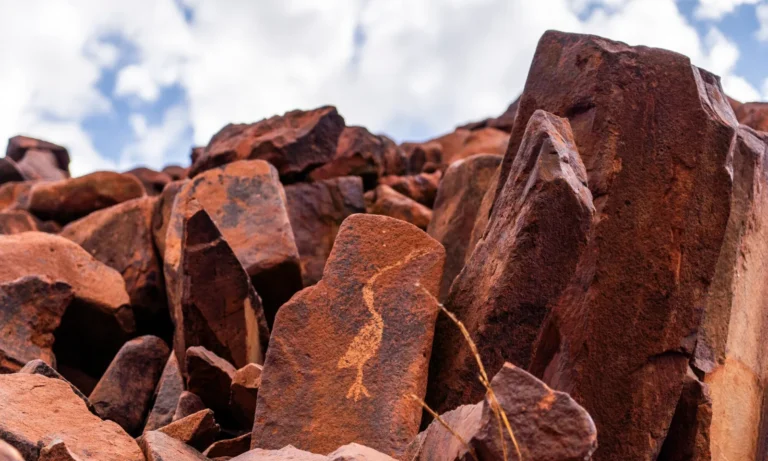
Murujuga in Western Australia holds one of the world’s largest concentrations of rock art, with engravings made over roughly 50,000 years. New research suggests that historic sulfur pollution may have…
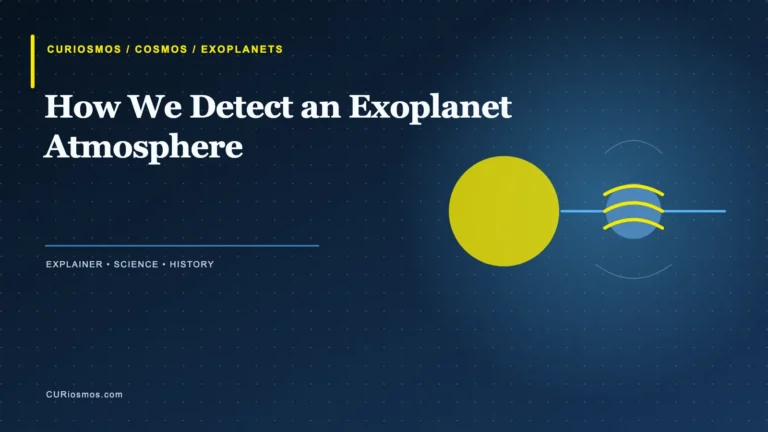
How do astronomers know an exoplanet has an atmosphere? They usually do not see the atmosphere as a separate blue shell. Instead, they measure the way the planet changes the…
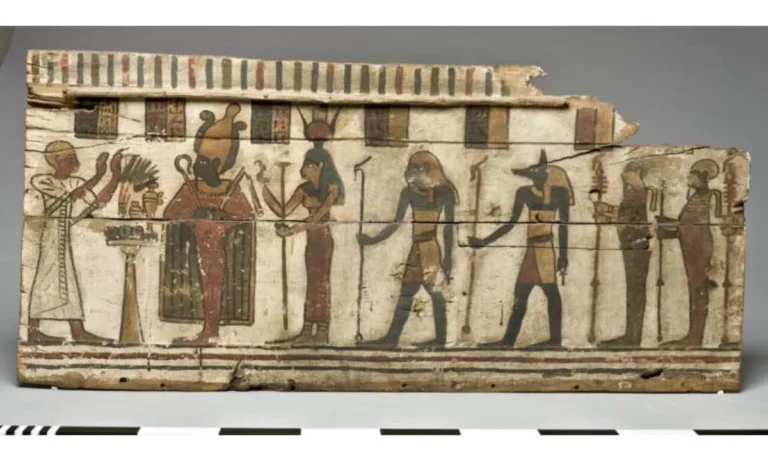
Ancient Egyptian artists were working with a much wider range of materials than the usual picture of "paint and glue" suggests. A new analysis of 28 microscopic samples from 14…
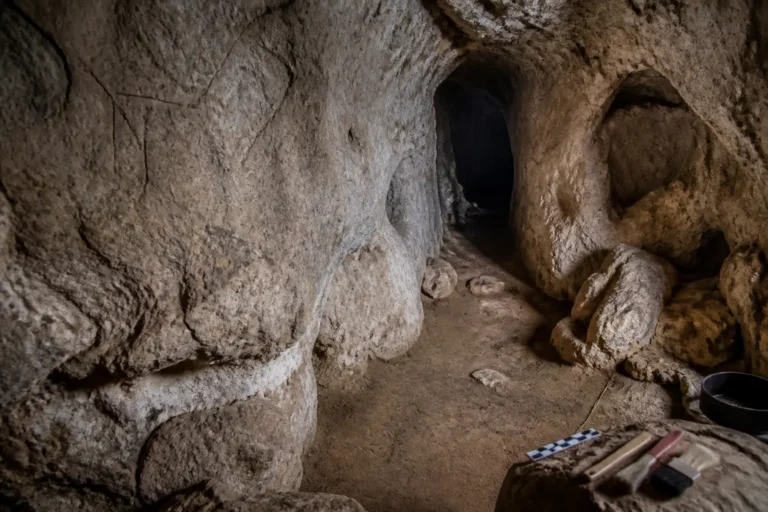
Stone tools from a Saudi Arabian desert site resemble Neanderthal technology, offering evidence of a possible Neanderthal presence 60,000–50,000 years ago.
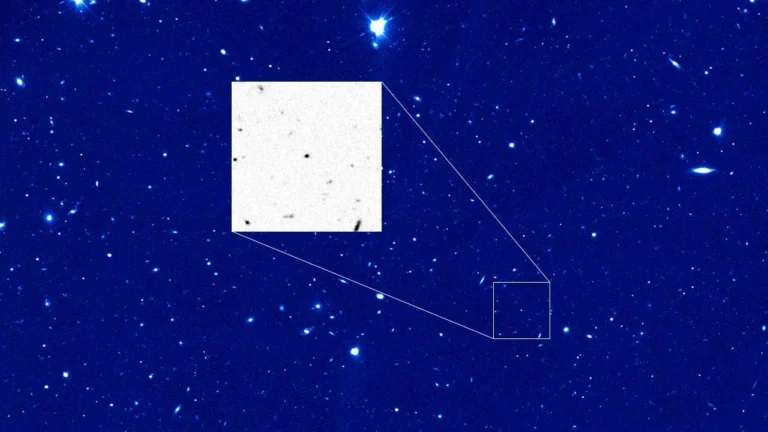
Comets are usually introduced through their tails, but a recent Subaru Telescope observation captured one without the cloud that gives a comet its familiar appearance. Comet 28P/Neujmin was more than…

Physicists have observed the tiny, random fluctuations expected in a quantum field by building a version of the field in the laboratory. The experiment did not photograph literal empty space.…
How did ancient people navigate without modern maps? They did not rely on one magical instrument or a single star. Travellers learned the shape of a coastline, the direction of…
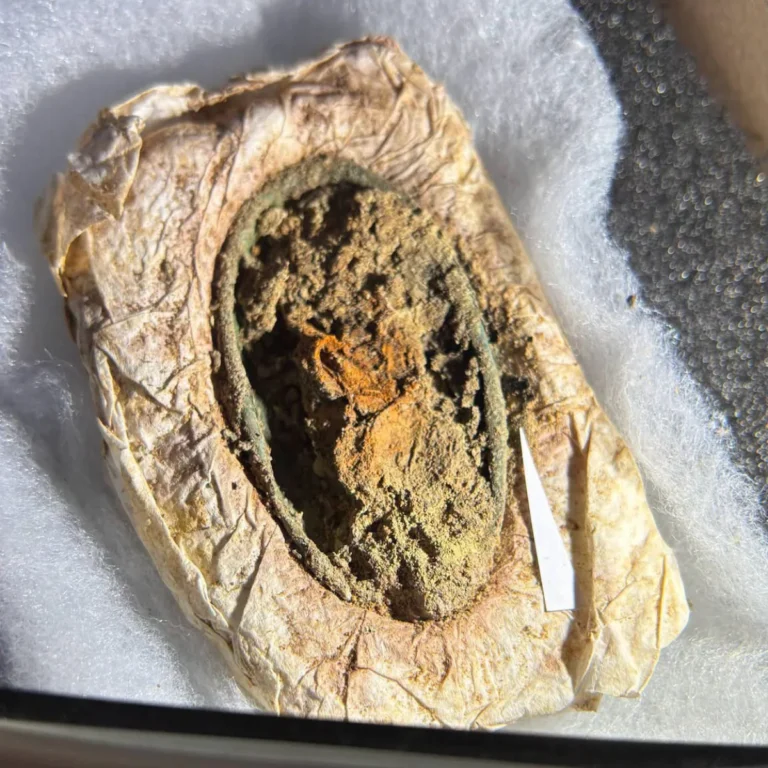
Fragments of clothing have survived inside an eighth-century Viking woman’s grave in western Denmark, giving archaeologists a rare chance to study what she wore. The pieces were found attached to…
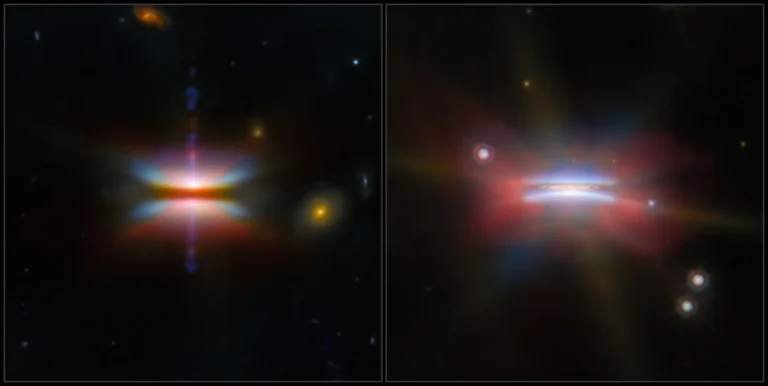
Planets are assembled inside broad disks of gas and dust around young stars, but those disks do not last forever. A new James Webb Space Telescope survey shows that winds…
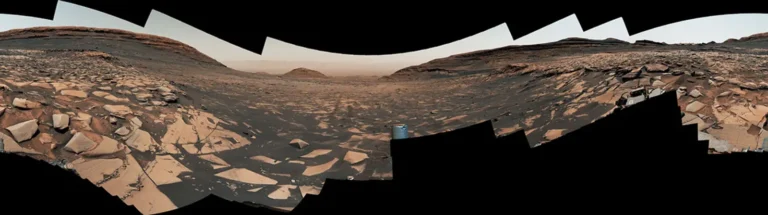
NASA’s Curiosity rover has climbed roughly a kilometre up Mount Sharp, the 5-kilometre-high mountain rising from the floor of Gale Crater. The milestone is more than a distance record. Each…
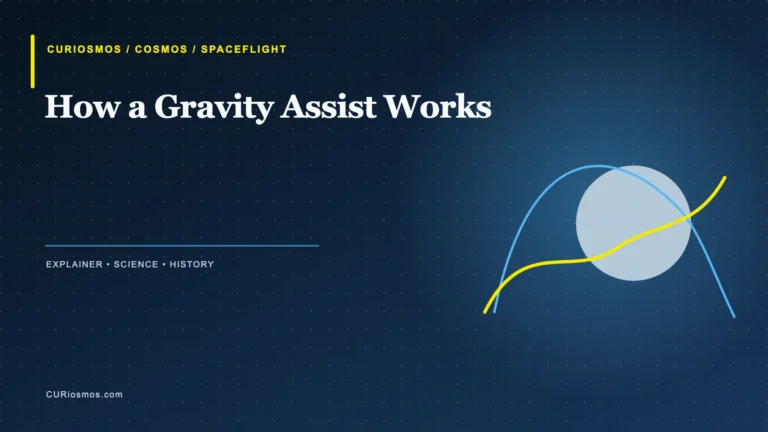
How does a gravity assist send a spacecraft farther into the Solar System? The spacecraft flies close to a moving planet or moon and uses the body’s gravity to bend…
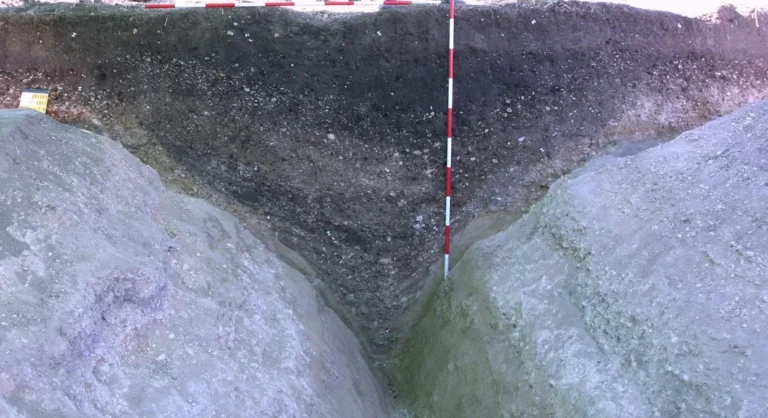
Eleven marked obsidian arrowheads from Tepecik-Çiftlik in Turkey reveal deliberate Neolithic incisions, but their purpose remains unresolved.
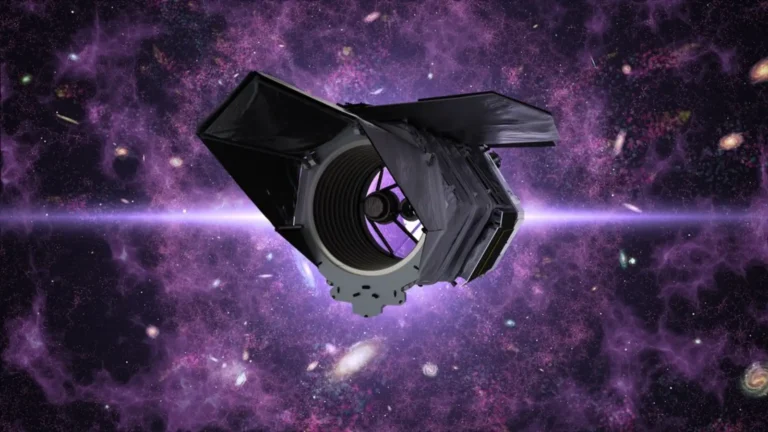
Most exoplanets are found indirectly. Astronomers watch a star dim when a planet crosses its face, or measure the tiny wobble caused by the planet’s gravity. The Nancy Grace Roman…
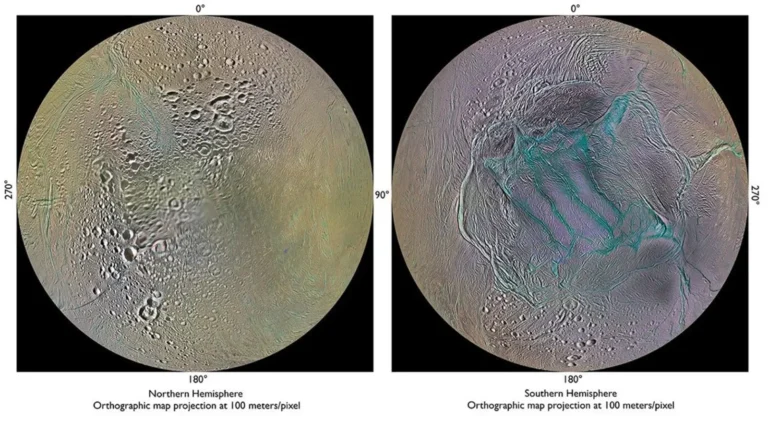
Enceladus’ south pole is cut by four long fractures that spray water vapour and ice into space. Scientists call them the “tiger stripes,” and a new model suggests that waves…
What can ancient DNA tell us about lost populations? In the right sample, it can reveal relationships that bones alone cannot show: who was related, which groups moved, where populations…
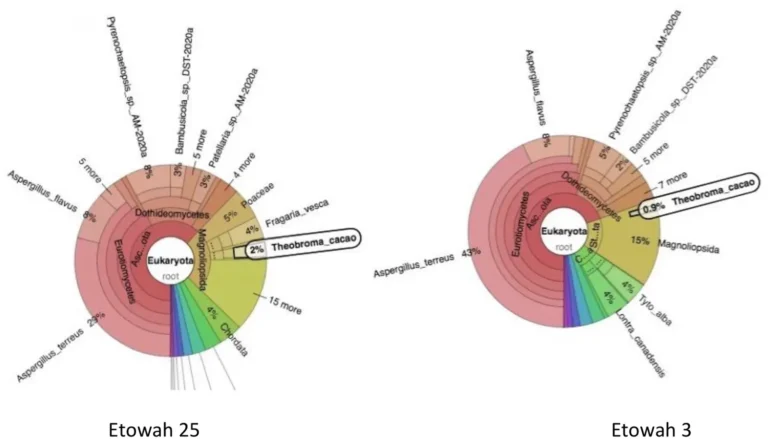
Two fragments of pottery from Etowah, a major Mississippian centre in what is now Georgia, contain traces of cacao DNA. The discovery is the first direct evidence that people at…