
Fifty Roman Parchment Fragments Rebuild a Lost Page of Tax Law
A collection of 50 battered parchment fragments has been joined into a page of Roman law that had been broken apart for centuries. Researchers at the University of Cincinnati matched…
Independent reporting on space, archaeology and ancient worlds

For the passionately Curious
Browse Curiosmos
Discover the world’s most mysterious ancient civilizations, from lost cities and megalithic structures to forgotten knowledge and unsolved archaeological puzzles.
A collection of 50 battered parchment fragments has been joined into a page of Roman law that had been broken apart for centuries. Researchers at the University of Cincinnati matched…
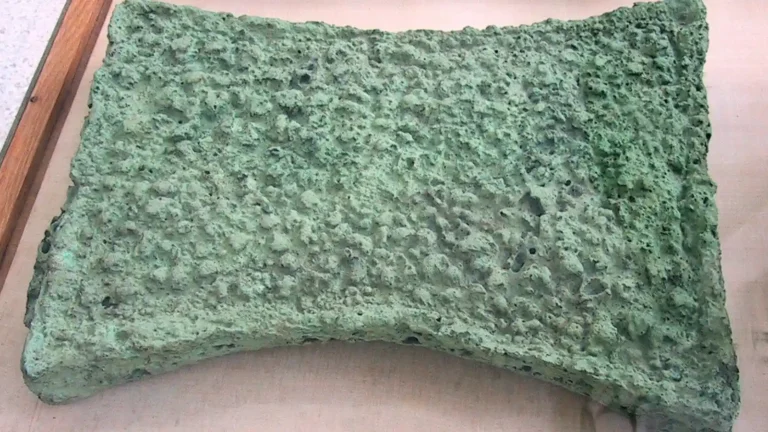
How did Bronze Age trade connect distant cities? It worked through a chain of exchanges rather than one giant market controlled from a single capital. Copper and tin moved toward…
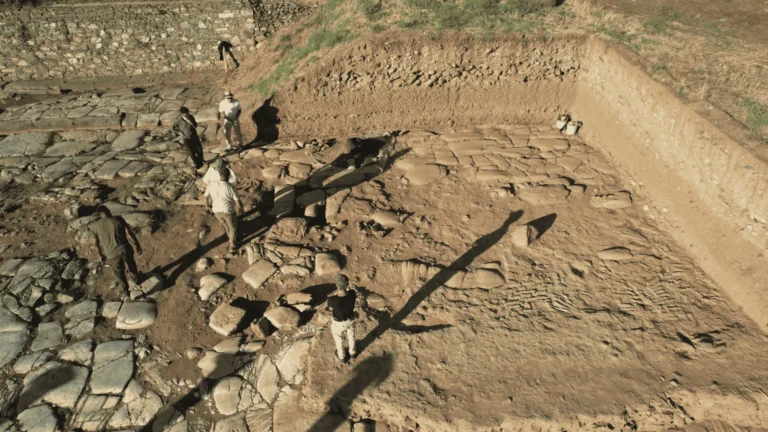
At Sardis in western Türkiye, archaeologists have recovered a statue that spent part of its life as building material. The figure was made nearly 2,500 years ago, broken in two…
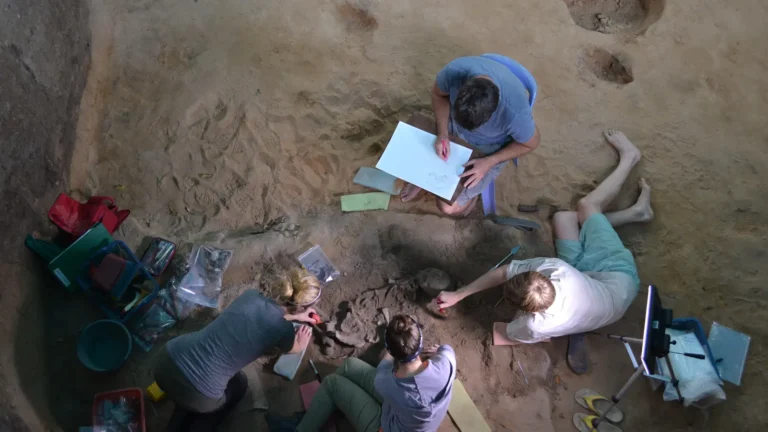
How do archaeologists reconstruct an ancient diet? They rarely find a complete meal waiting in a bowl. Instead, they assemble small traces: charred seeds, animal bones, fish scales, grinding stones,…
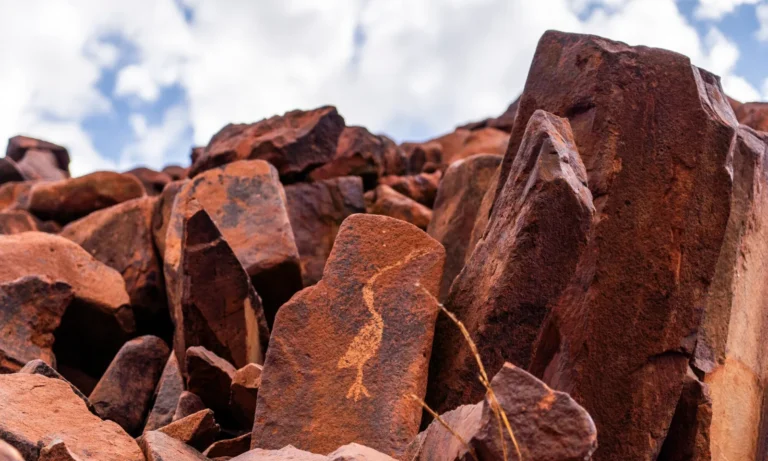
Murujuga in Western Australia holds one of the world’s largest concentrations of rock art, with engravings made over roughly 50,000 years. New research suggests that historic sulfur pollution may have…
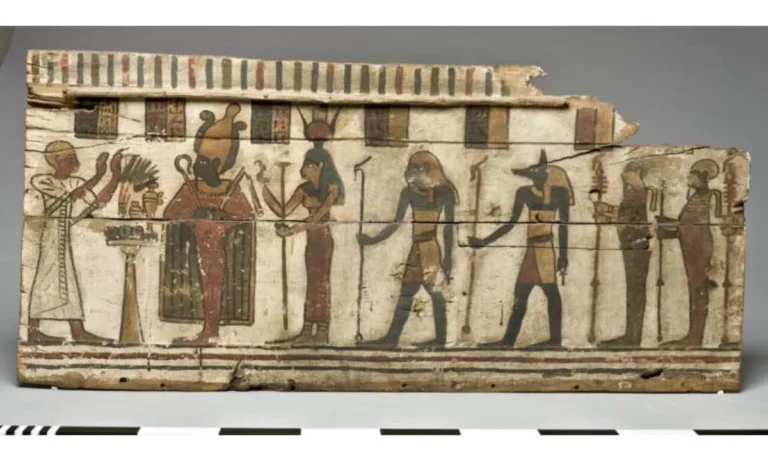
Ancient Egyptian artists were working with a much wider range of materials than the usual picture of "paint and glue" suggests. A new analysis of 28 microscopic samples from 14…
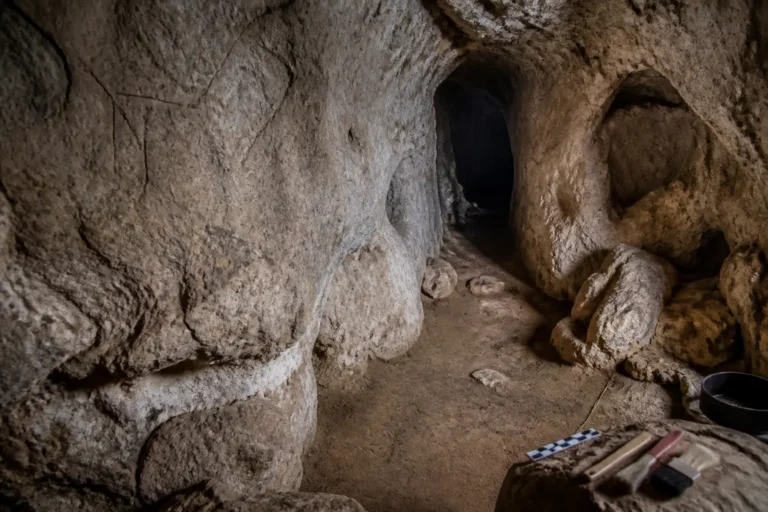
Stone tools from a Saudi Arabian desert site resemble Neanderthal technology, offering evidence of a possible Neanderthal presence 60,000–50,000 years ago.
How did ancient people navigate without modern maps? They did not rely on one magical instrument or a single star. Travellers learned the shape of a coastline, the direction of…
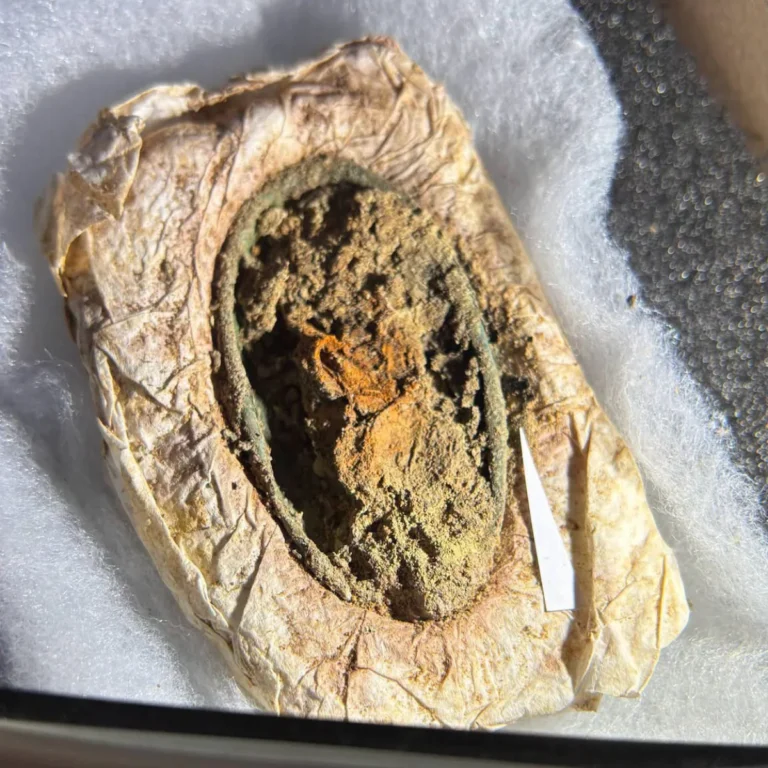
Fragments of clothing have survived inside an eighth-century Viking woman’s grave in western Denmark, giving archaeologists a rare chance to study what she wore. The pieces were found attached to…
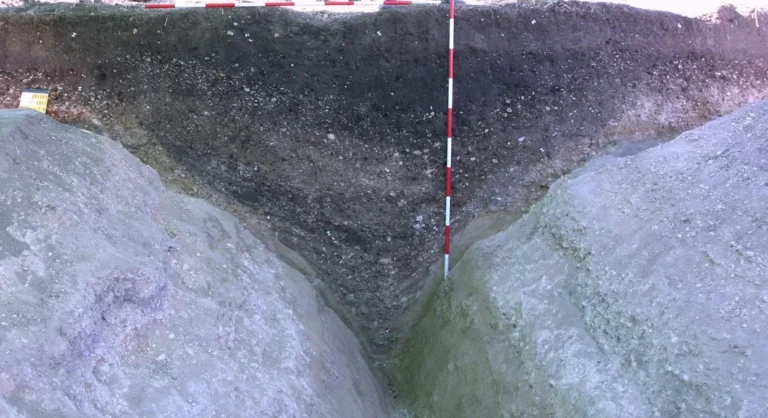
Eleven marked obsidian arrowheads from Tepecik-Çiftlik in Turkey reveal deliberate Neolithic incisions, but their purpose remains unresolved.
What can ancient DNA tell us about lost populations? In the right sample, it can reveal relationships that bones alone cannot show: who was related, which groups moved, where populations…
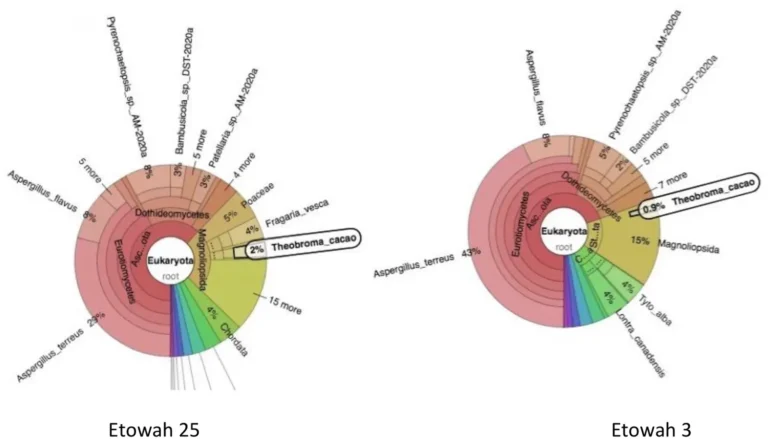
Two fragments of pottery from Etowah, a major Mississippian centre in what is now Georgia, contain traces of cacao DNA. The discovery is the first direct evidence that people at…
How does LiDAR reveal lost cities beneath forests? It sends pulses of laser light from an aircraft or drone toward the ground and measures how long they take to return.…

A drilled human canine from the Neolithic site of Jablanica in Serbia was mistaken for an animal tooth bead until a new analysis identified its human origin.
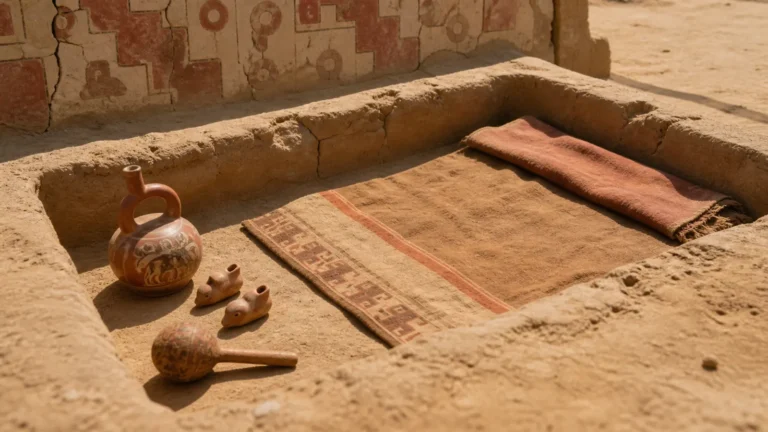
A child about 18 months old was buried at Huacas de Moche with musical objects and a carefully made ceramic vessel. The find adds a personal detail to a major Moche settlement.
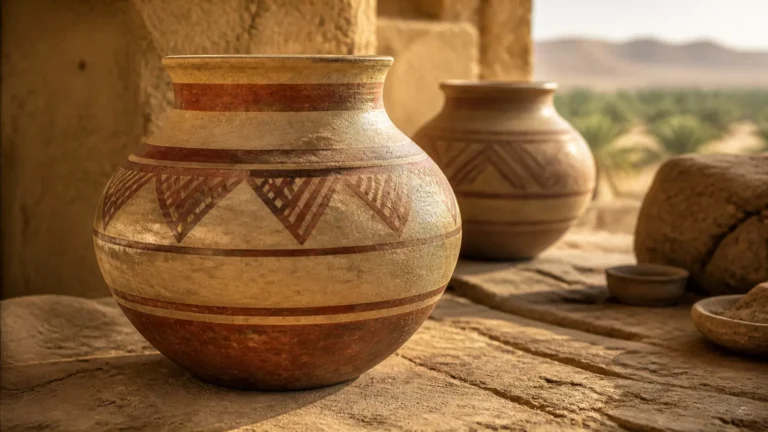
Qurayyah Painted Ware carried repeatable designs across Bronze Age Arabia. New research suggests that its makers built recognition and demand around a distinctive style more than 3,000 years ago.
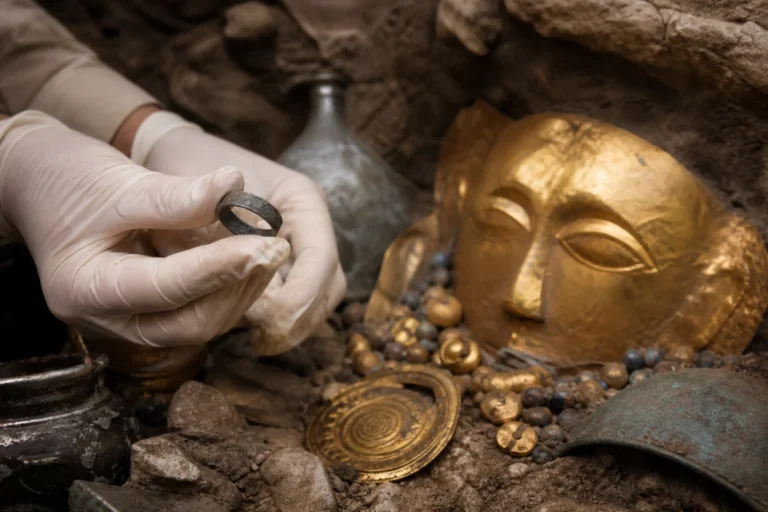
A chemical survey of 91 Bronze Age iron artefacts found that a small group of rings probably came from meteorites. Their tomb contexts suggest that “iron from the sky” carried status long before iron smelting became common.
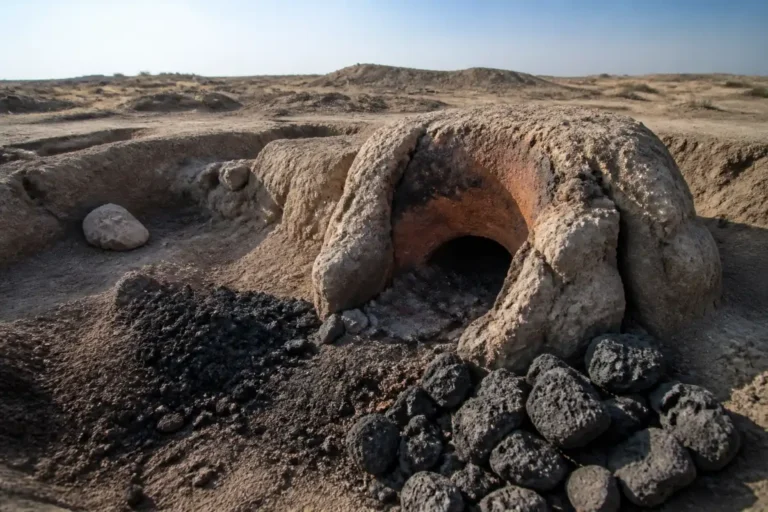
An excavation in Uzbekistan is bringing archaeologists, materials scientists and environmental researchers together around a single ancient furnace. At Abu Muslim Qala, in the historic Khorezm region, a Purdue-led project…
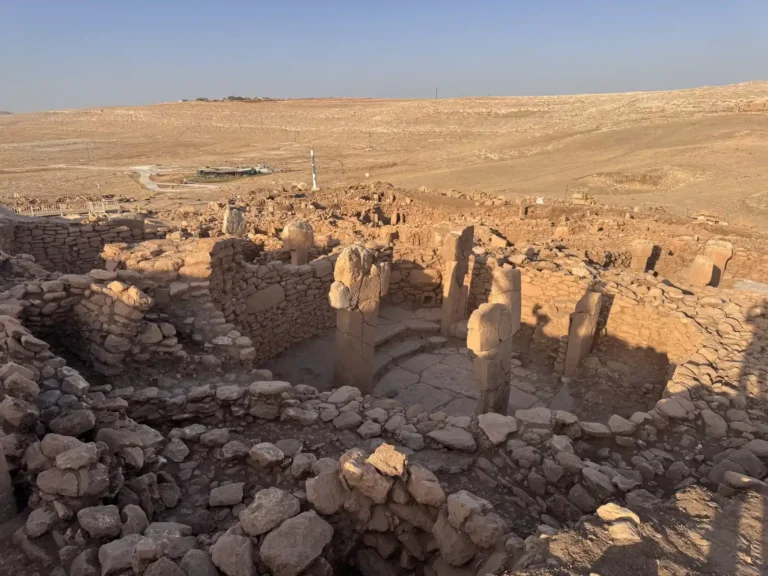
At the Etruscan city of Kainua in northern Italy, archaeologists have found a deep well containing intact bronze objects, a distinctive plate and human remains. The location and the objects…
How do archaeologists date pottery? Usually, they do not look at a single shard and read a year from it. A ceramic fragment becomes useful when its shape, clay, decoration,…
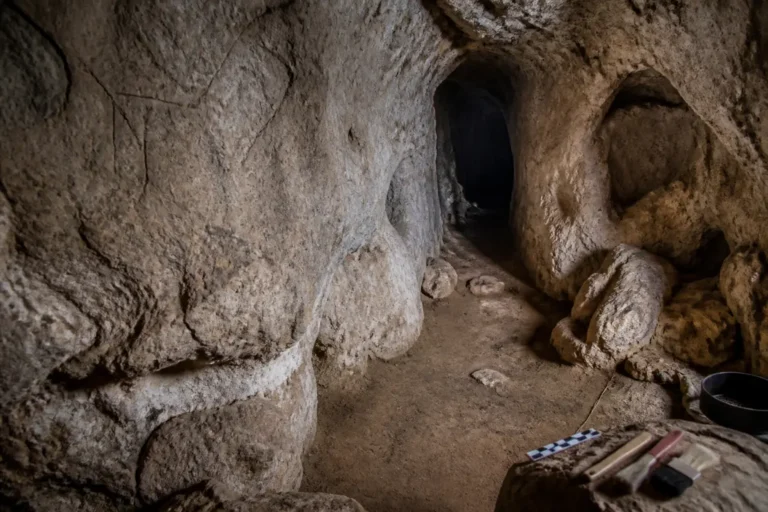
Deep inside a cave near Valencia, archaeologists have documented at least 120 Latin inscriptions from the Roman period. Five of them refer to a previously unknown goddess addressed as Domina—“the…
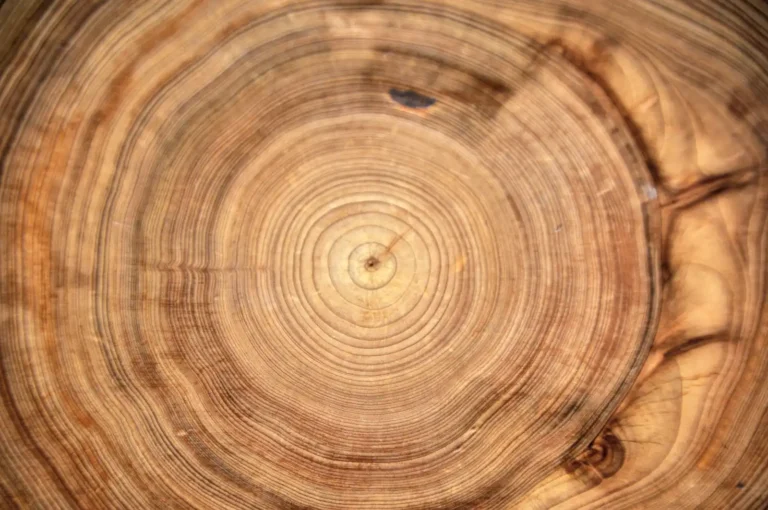
How does dendrochronology date ancient buildings? By reading the growth history recorded inside wood. In regions where trees respond to changing seasons, each year leaves a pattern of wide and…
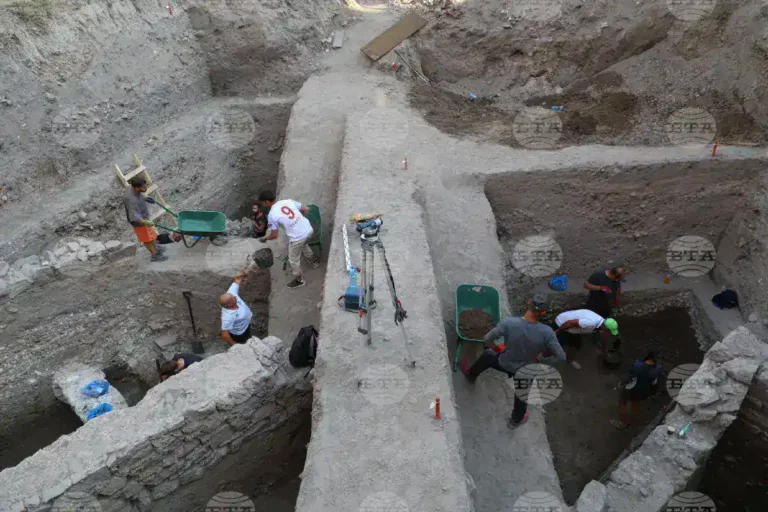
Rescue excavations beside the Eastern Gate of Philippopolis have uncovered a large coin cache, an ancient building and burials that add new detail to Roman Plovdiv.
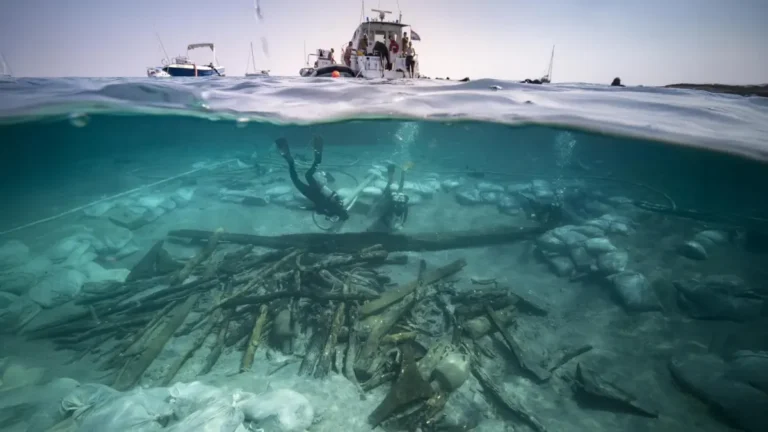
A 2,200-year-old wreck off Croatia preserved more than timber and amphorae. Its sticky hull coatings trapped pollen that now gives archaeologists a record of where the ship was built and repaired.