Independent reporting on space, archaeology and ancient worlds
For the passionately Curious
Browse Curiosmos
Ancient Civilizations
Discover the world’s most mysterious ancient civilizations, from lost cities and megalithic structures to forgotten knowledge and unsolved archaeological puzzles.
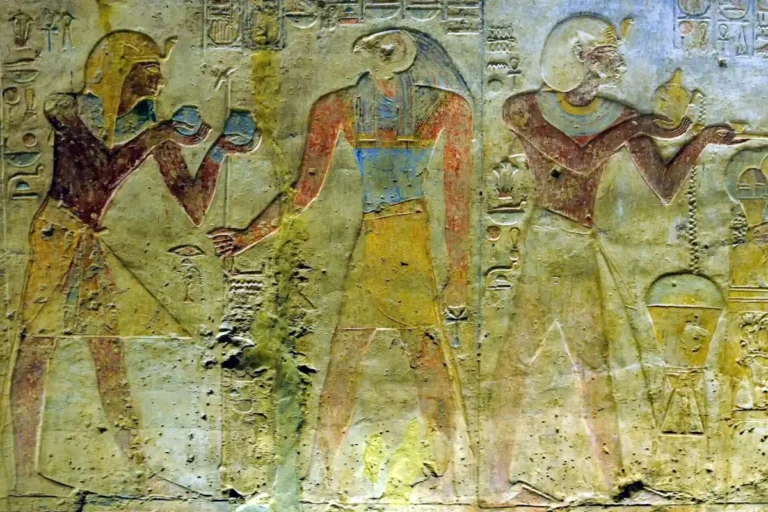
A new sandstone lintel at Tell Abu Saifi names Horus as “Lord of the City of Mesen,” strengthening the case that the eastern Egyptian site may be the lost city described in ancient records.
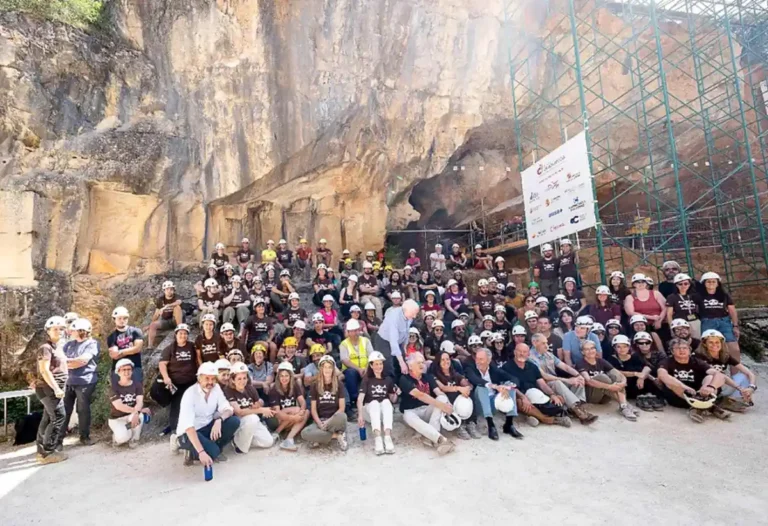
At Spain’s Atapuerca archaeological site, a handful of broken bones can change the shape of an entire chapter in human evolution. During the 2026 field season, researchers recovered at least…
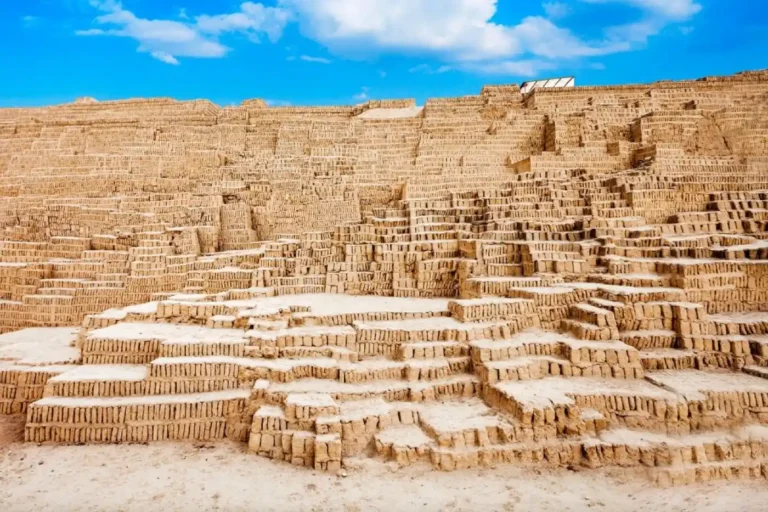
The body was placed on its left side inside a disused canal, with the skull facing Huaca Pucllana's pyramid and the Pacific Ocean. Archaeologists believe the burial may have formed part of a deliberate offering when a ceremonial water feature was closed.
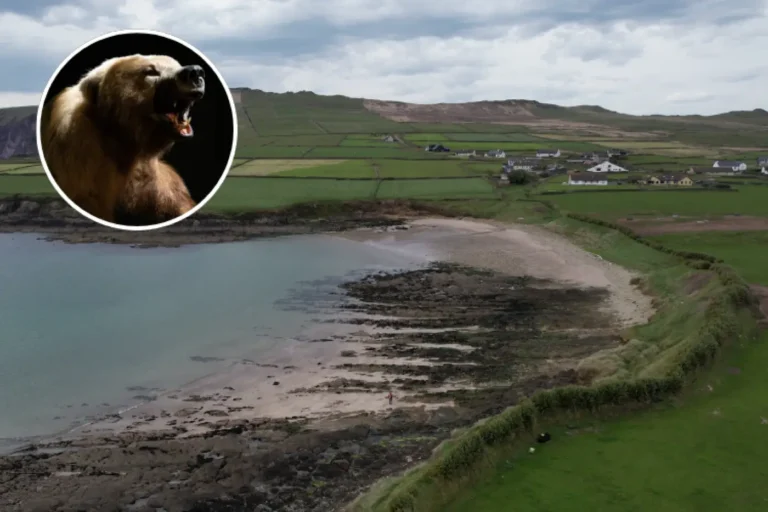
Animal bones from Ferriter's Cove were once treated as proof that domestic cattle reached Ireland before farming took hold. A new protein analysis identifies the remains as bear and wild boar instead, overturning a 40-year-old archaeological argument.
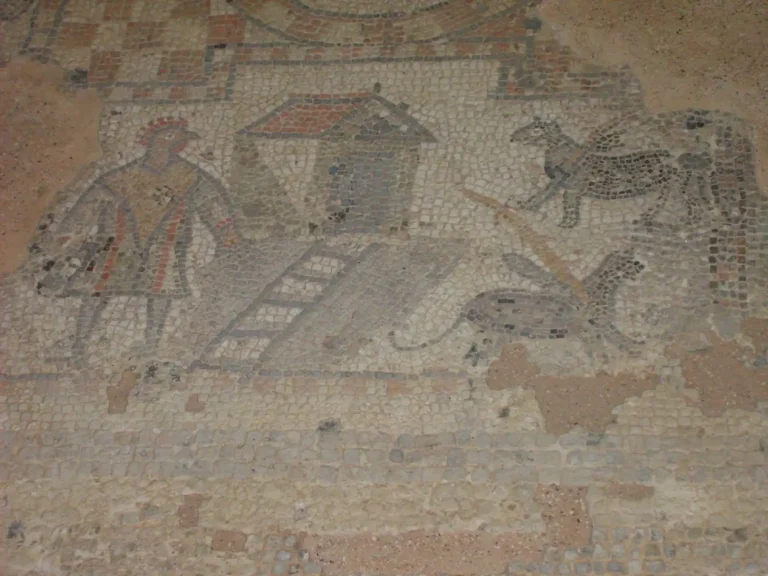
For more than a century, visitors to Brading Roman Villa on the Isle of Wight have come to see its mosaics: Medusa, Bacchus, geometric patterns and the evidence of a…
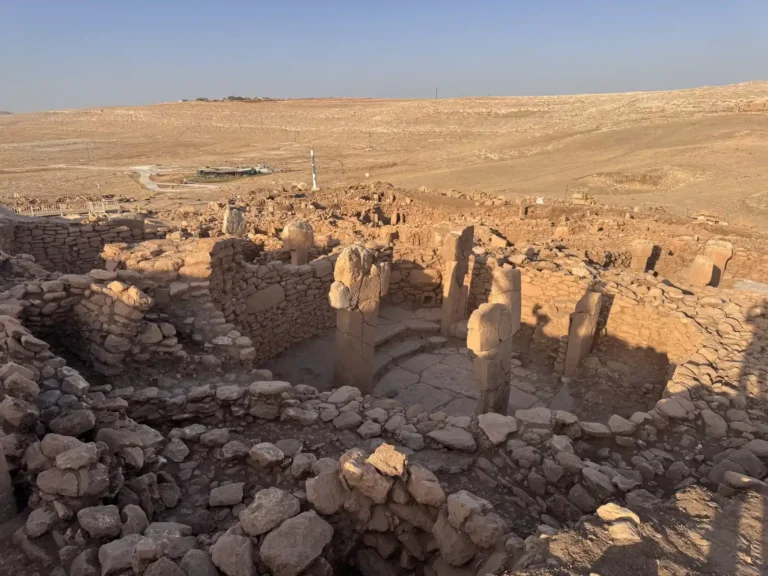
Heavy slabs still cover a small room inside one of Karahantepe’s most unusual Neolithic buildings. Archaeologists plan to enter it from above during the 2026 excavation season, opening a space that may have remained closed for roughly 12,000 years.
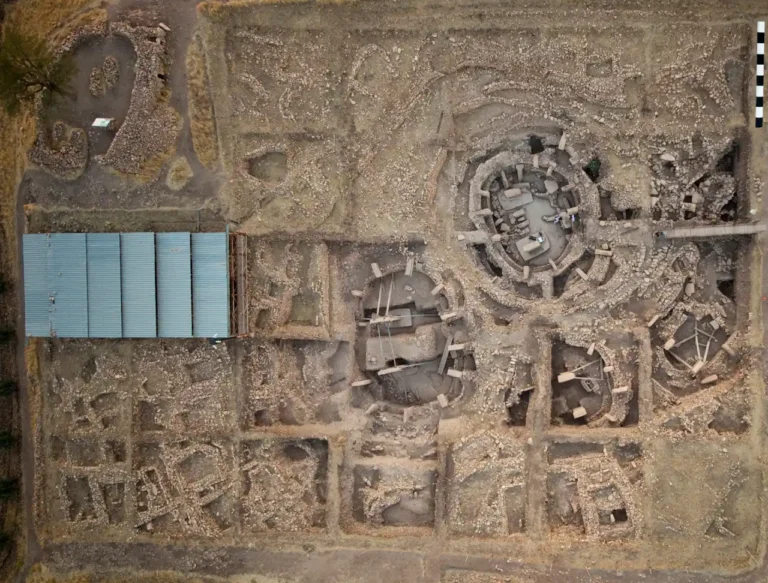
New surveys have detected possible houses beyond Göbekli Tepe’s excavated monuments, while rooms already uncovered contain benches, grinding stones, storage spaces, and vessels. The famous sanctuary is beginning to look like the centre of a lived-in settlement.
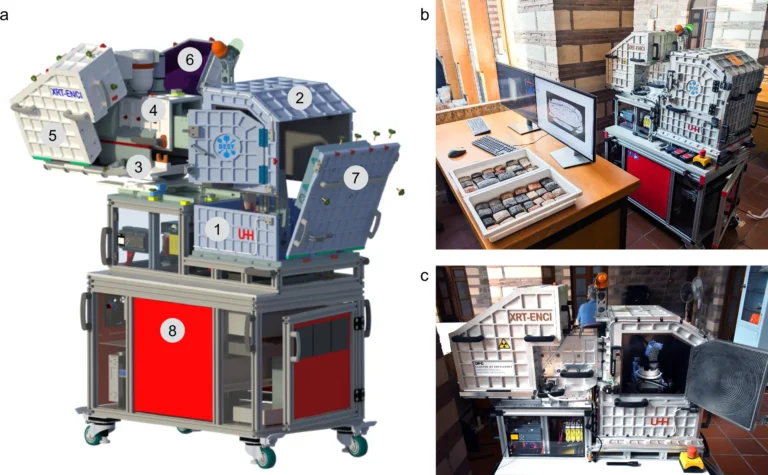
Researchers are using high-definition X-ray CT and virtual unwrapping to read cuneiform letters that remain sealed inside their ancient clay envelopes.
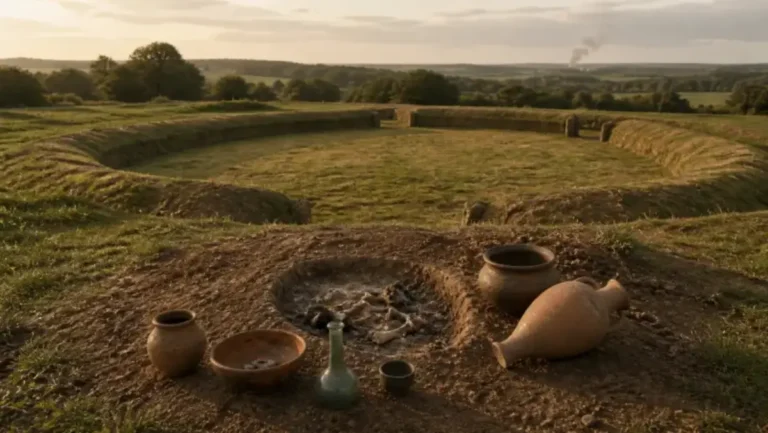
Archaeologists do not always find a monument in the form people imagine. A stone circle may survive as a scatter of sockets. A burial mound may be flattened into a…
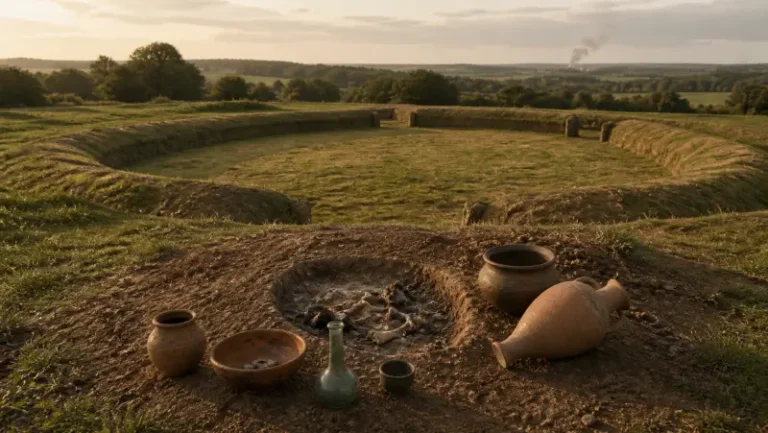
The outline of a Neolithic monument can disappear long before the site stops carrying information. At Sizewell on the Suffolk coast, archaeologists found a large rectangular enclosure whose ditches had…
Göbekli Tepe excavations have uncovered rectangular buildings that may have been homes. The find adds an everyday setting to a place long known for its monumental pillars and enclosures, giving…
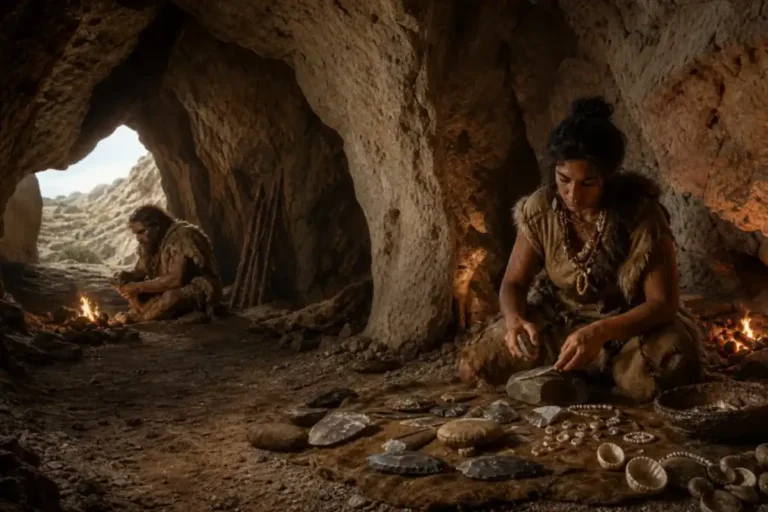
Neanderthals and modern humans did not simply occupy the same landscape and disappear from one another’s story. A study of Üçağızlı II Cave in southern Türkiye points to a longer…
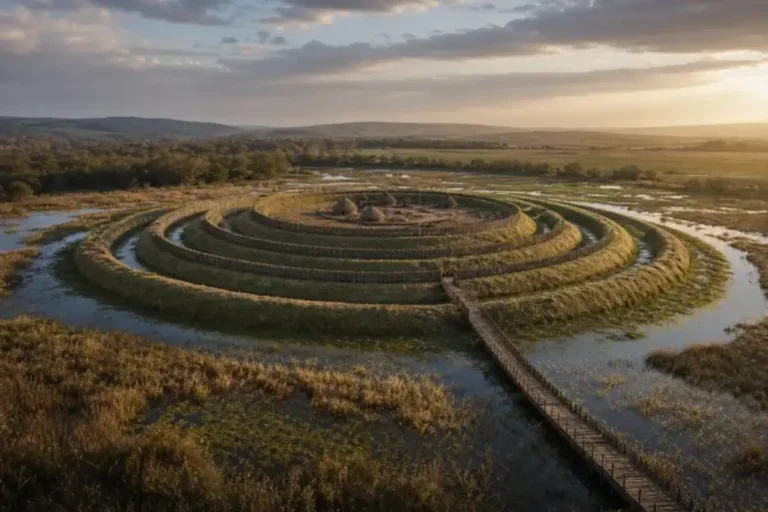
Archaeologists have returned to a rare Iron Age fort in Shropshire that sits in a wetland landscape rather than on a hill. The University of Birmingham has begun a new,…
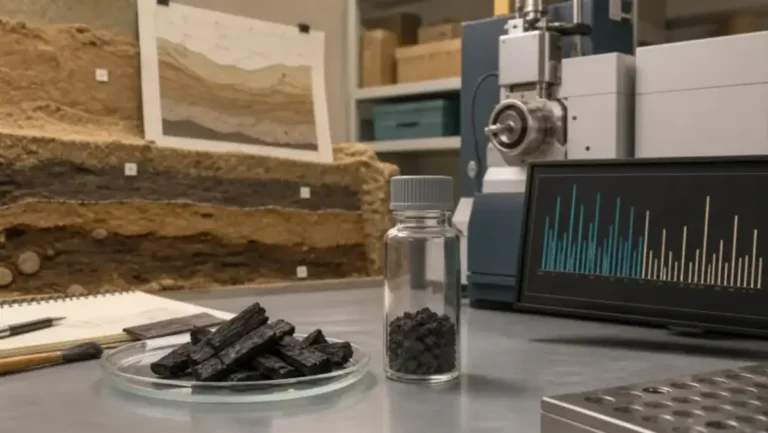
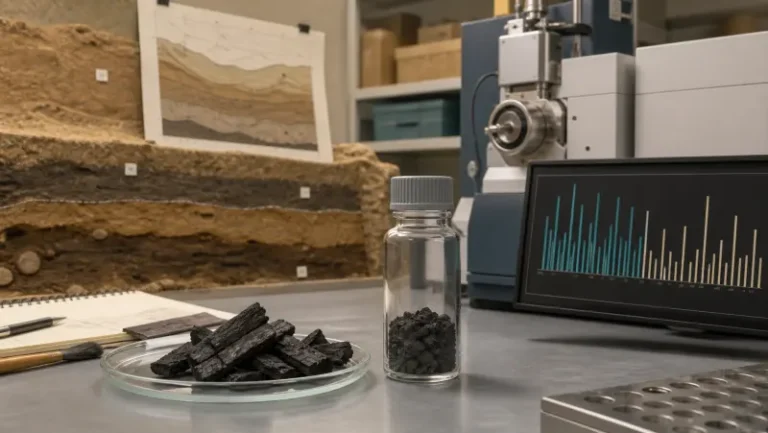
Radiocarbon dating is one of archaeology’s most useful tools, but it is often described as if a laboratory can place an exact year on any ancient object. The method is…
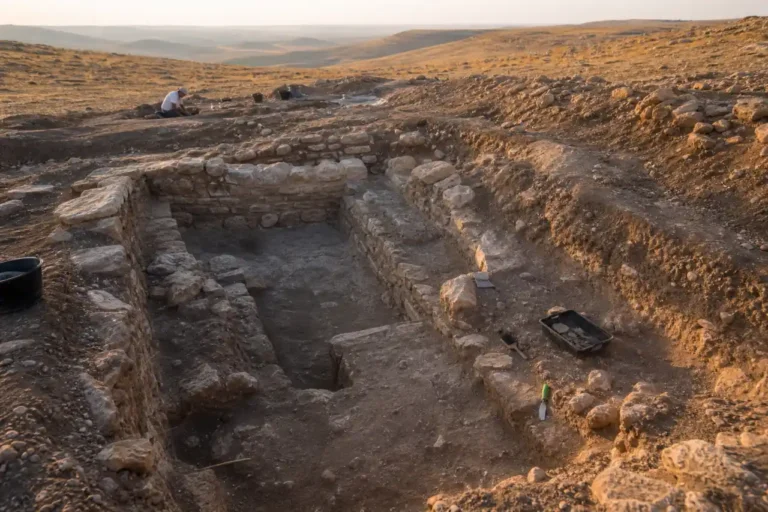
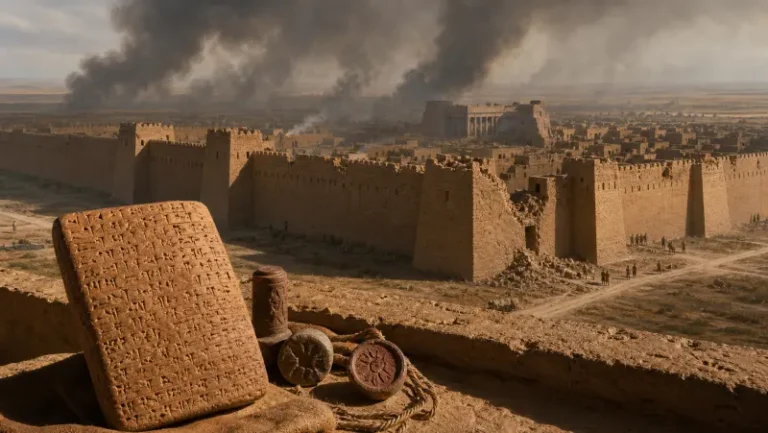
At Kurd Qaburstan in northern Mesopotamia, archaeologists are finding the kind of evidence that allows a destroyed city to be read from several directions at once. Cuneiform tablets, administrative sealings,…
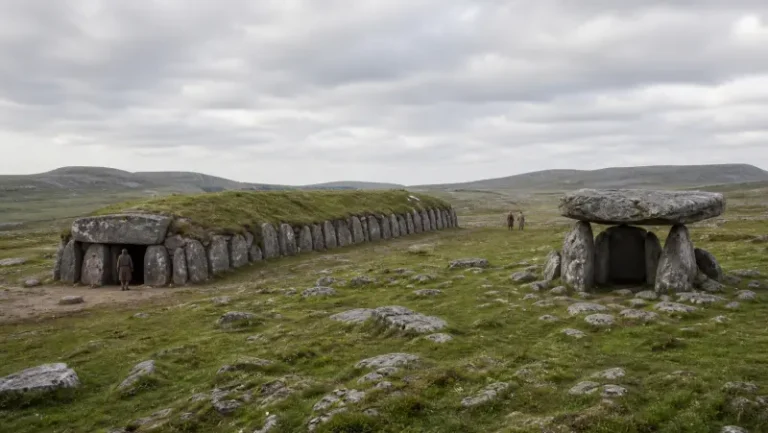
Two different kinds of Neolithic tomb have been identified beside one another near Maree in County Galway. One is a court tomb, a long stone-built monument with an open space…
Near Chelmsford, archaeologists have been studying a large Iron Age cemetery that spans the years before and after the Roman conquest of Britain. The site contains more than 100 cremated…
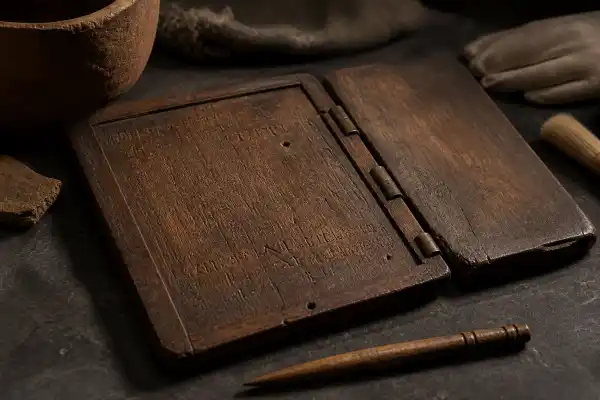
The most revealing Roman documents from Tongeren were never meant to survive. They were notes scratched into thin pieces of wood, used for business, administration and everyday messages, then discarded…
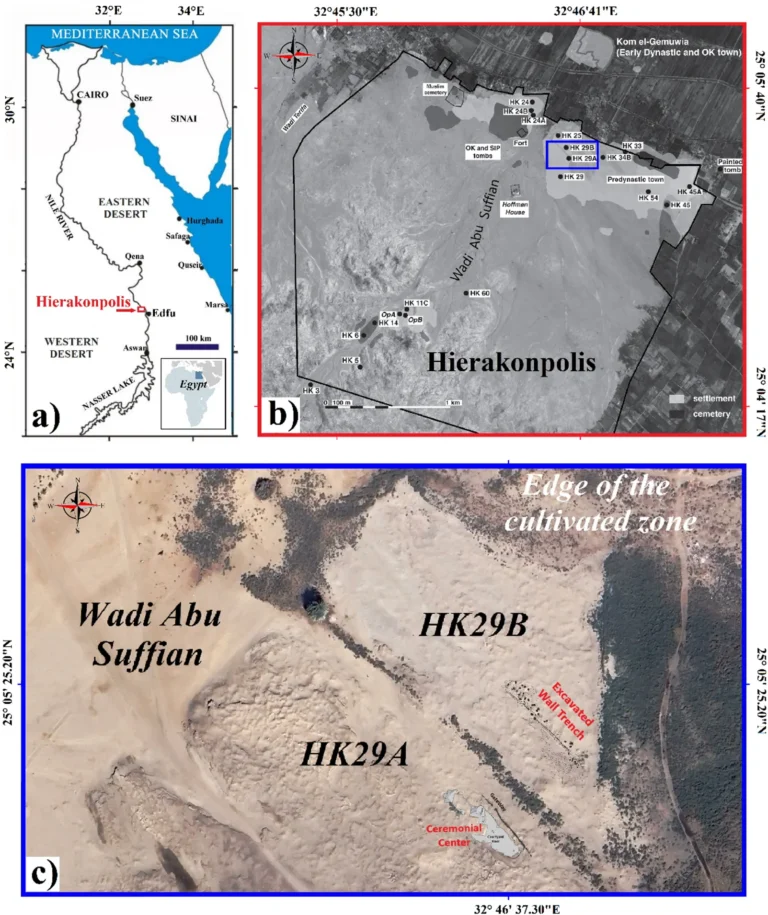
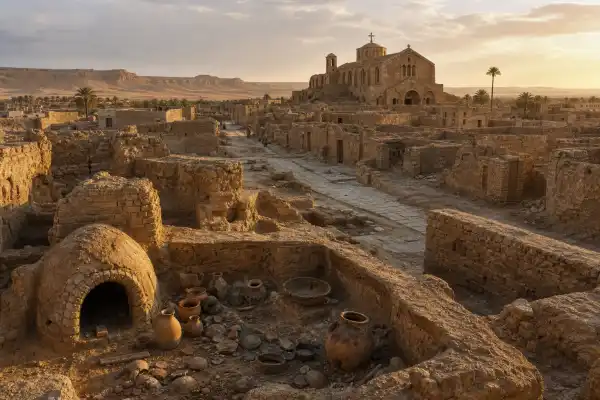
The desert can preserve a city in a way that a crowded capital cannot. In Egypt’s Dakhla Oasis, archaeologists have uncovered streets, homes, ovens, tools and written records from a…
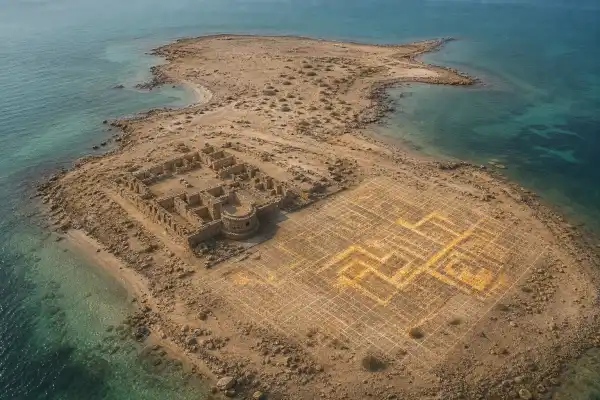
On Al Sinniyah Island, the most important evidence may be the part no one can see yet. A team of researchers from Khalifa University has used high-resolution ground-penetrating radar to…
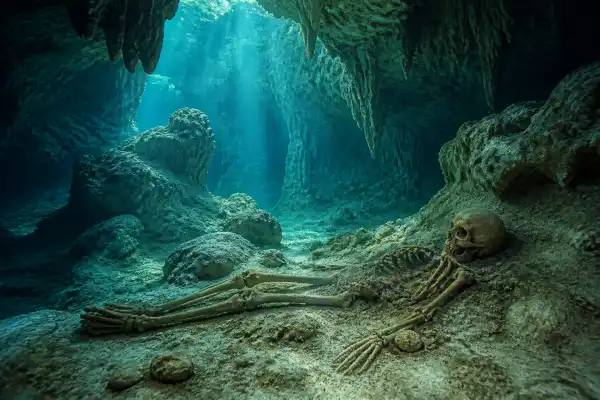
The skeleton was not found in an open-air cemetery. It was deep inside a cave, beneath several metres of water, far from the entrance and in a landscape that once…
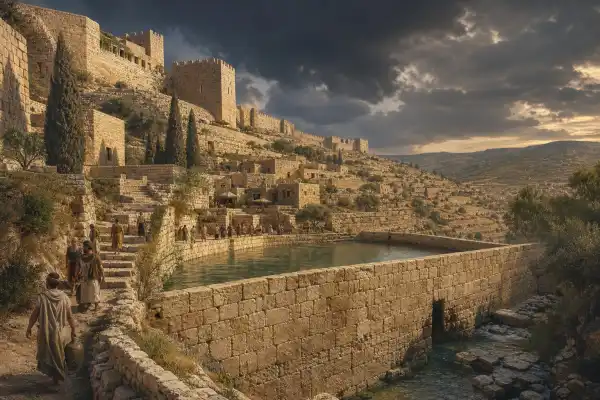
Jerusalem’s ancient water system was not only about finding a spring. It was about controlling what happened when the water came too quickly and when the rain failed to arrive…
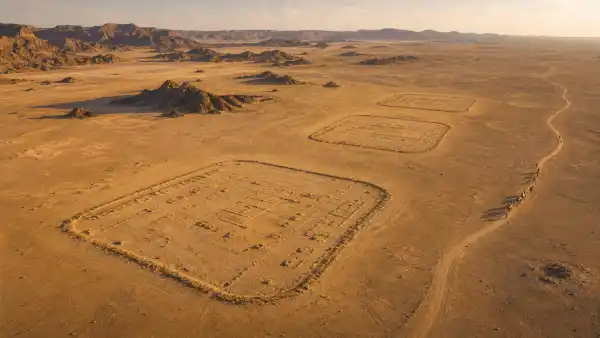
The desert north of Arabia has kept a Roman military story out of sight for almost two thousand years. Now three angular traces in the landscape are giving archaeologists a…