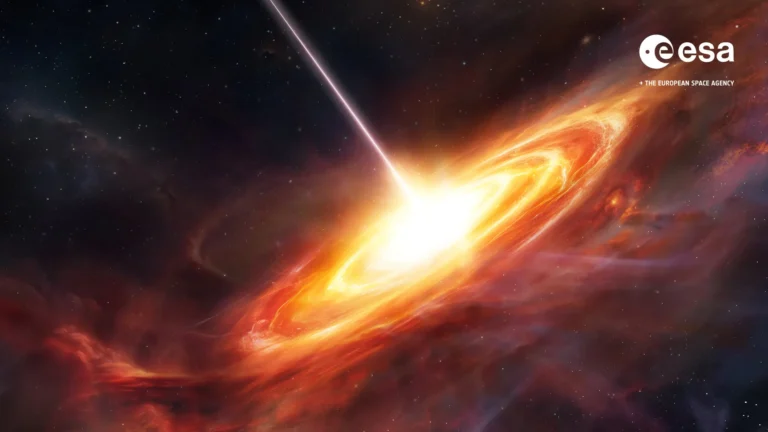
Euclid Finds 31 Ancient Quasars From the Universe’s First 700 Million Years
Euclid has found 31 quasars from the universe’s first 700 million years, giving astronomers a new way to study how early supermassive black holes grew.
Independent reporting on space, archaeology and ancient worlds

For the passionately Curious
Browse Curiosmos
This category presents the reader with astronomical events that can be seen each week, and month.
Euclid has found 31 quasars from the universe’s first 700 million years, giving astronomers a new way to study how early supermassive black holes grew.
Sending a spacecraft between stars is difficult for a reason that is easy to underestimate: the spacecraft has to leave one planetary system and arrive at another with enough speed,…
Look up on a clear night and the sky between the stars is mostly black. That seems obvious until you ask a deceptively simple question: if the universe contains an…
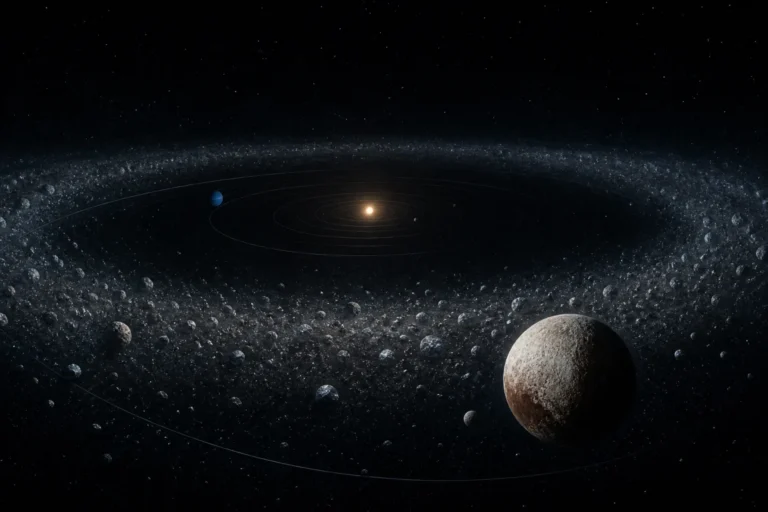
The Kuiper Belt is a broad, cold region beyond Neptune where millions of icy bodies orbit the Sun. Pluto is the best-known member, but it is only one of many…
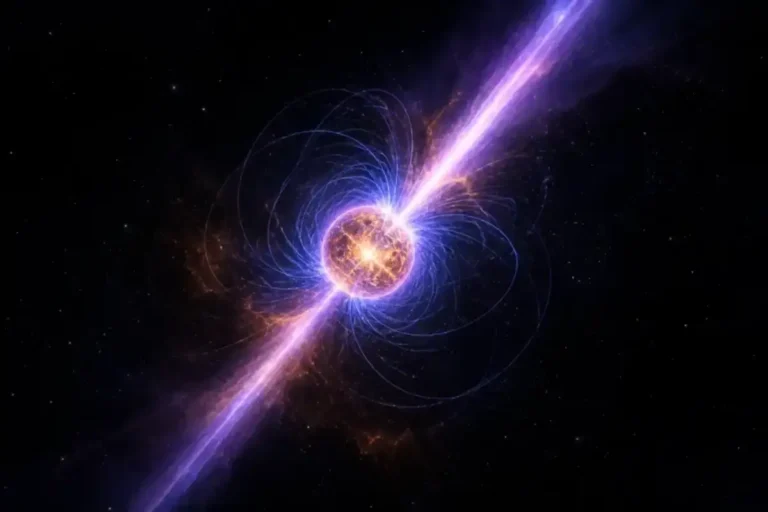
Vacuum birefringence sounds like a contradiction. A vacuum is supposed to be empty, while birefringence is a property associated with materials such as crystals. In quantum physics, however, empty space…
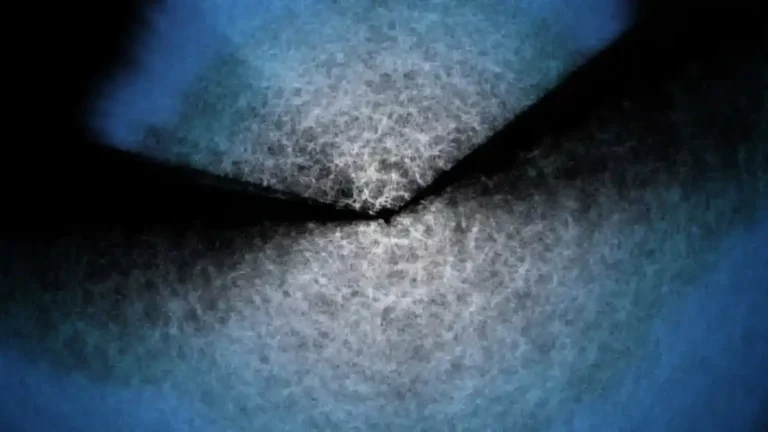
The Dark Energy Spectroscopic Instrument has completed the observing campaign that was designed to map the large-scale structure of the universe. The survey has recorded spectra for more than 47…
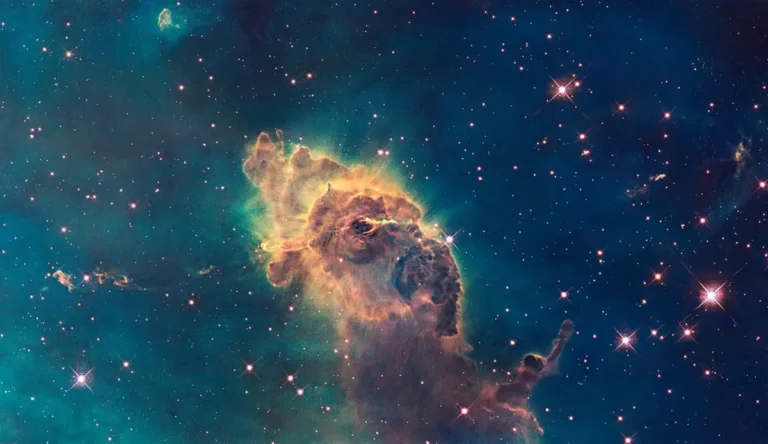
When a star like the Sun reaches the end of its life, it does not simply switch off. It can spend thousands of years pushing its outer atmosphere into space,…
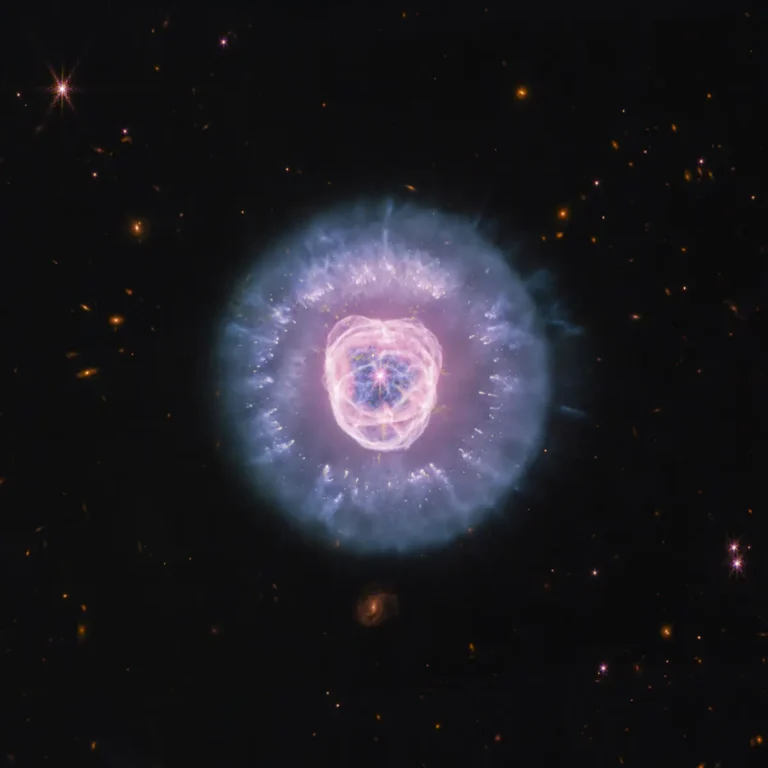
The Lion Nebula looks like a face because a dying star has spent thousands of years shaping the material around it. NASA’s James Webb Space Telescope has now photographed the…
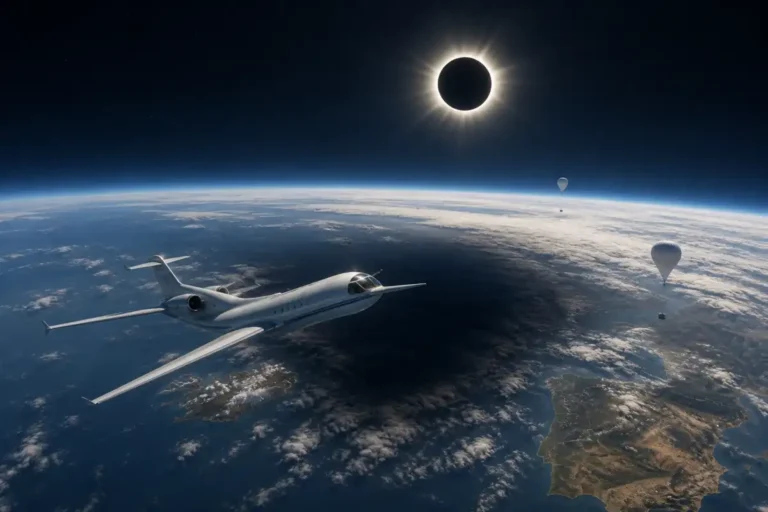
When the Moon’s shadow crosses the Earth on August 12, the darkness will last only a few minutes in any one place. NASA is planning to use those minutes as…
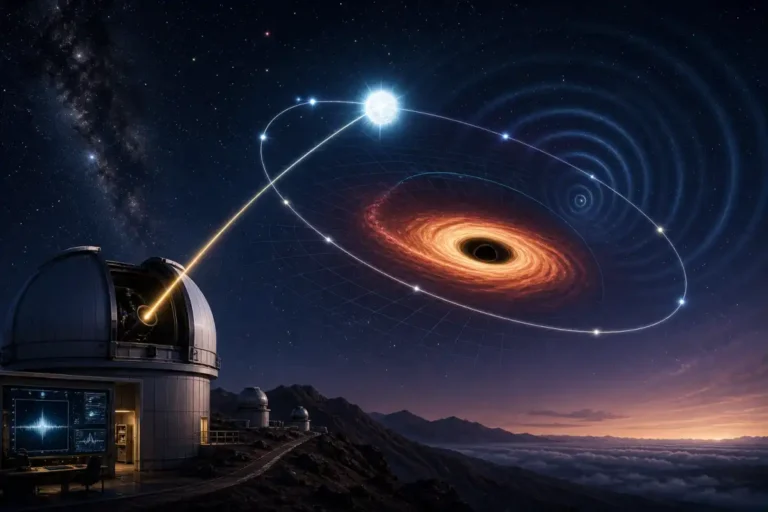
A black hole’s event horizon is invisible. Light that crosses it cannot return to a telescope, so astronomers do not photograph the black hole itself in the usual sense. They…
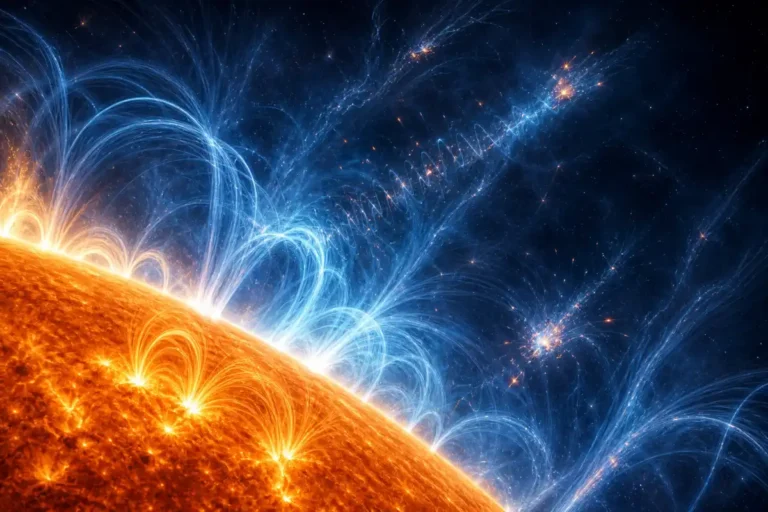
The Sun appears hottest at its bright surface, but the outer atmosphere above it is far hotter. The photosphere, the layer we see as the Sun’s surface, is about 5,500…
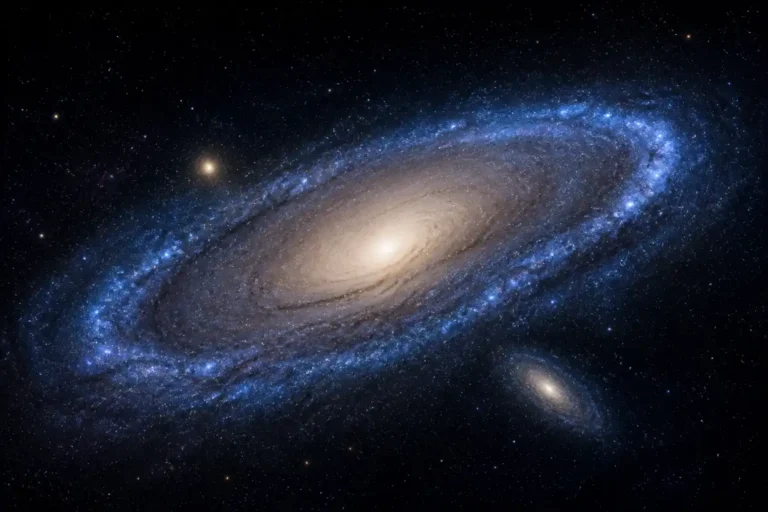
Andromeda is often described as the Milky Way’s larger neighbour and future collision partner. A new study using NASA’s Hubble Space Telescope adds another part to that story: the galaxy…
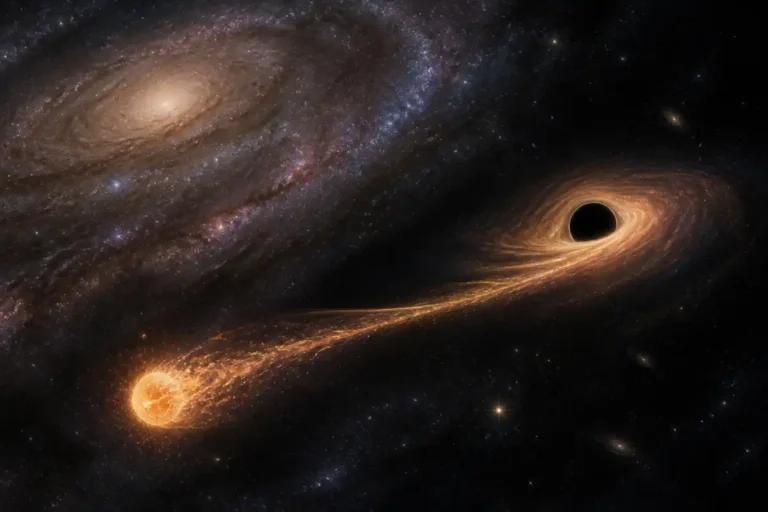
Black holes are difficult to find when they are quiet. The one in NASA’s latest Swift result gave itself away by destroying a star. The flare came from the outskirts…
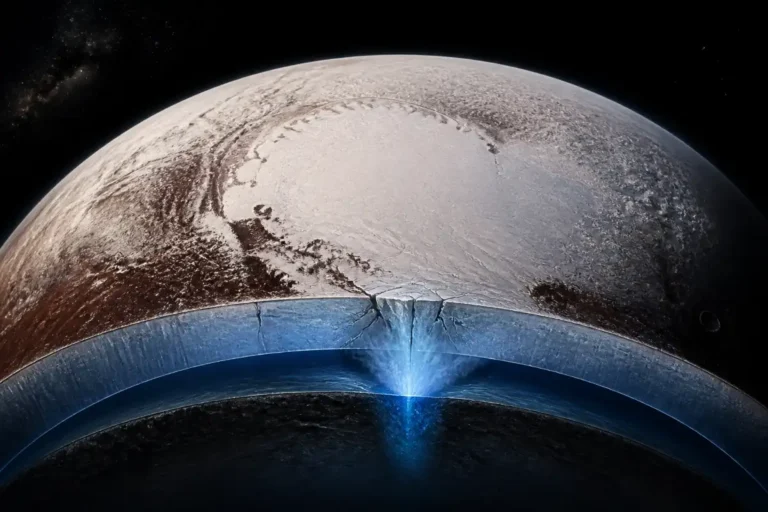
Pluto’s famous heart is not a smooth, frozen decoration. A new analysis of images from NASA’s New Horizons flyby suggests that liquid nitrogen may occasionally rise through cracks in the…
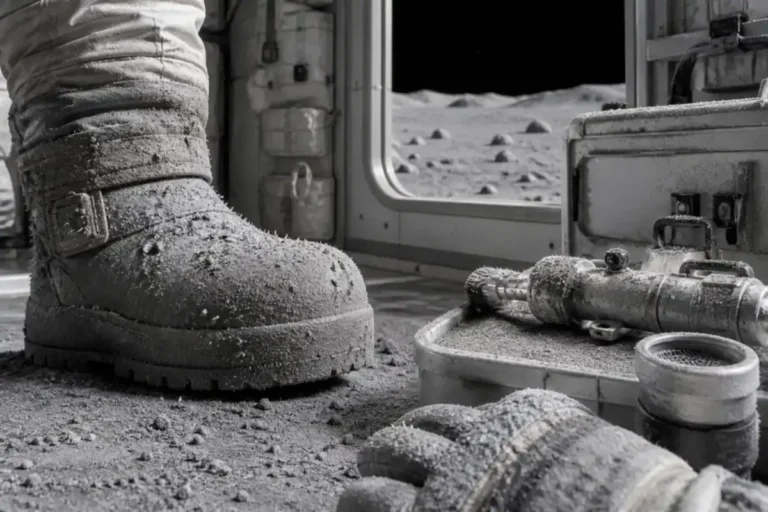
Moon dust is not just a dirtier version of sand. It is made of sharp, broken grains created by billions of years of impacts, with no wind or water to…
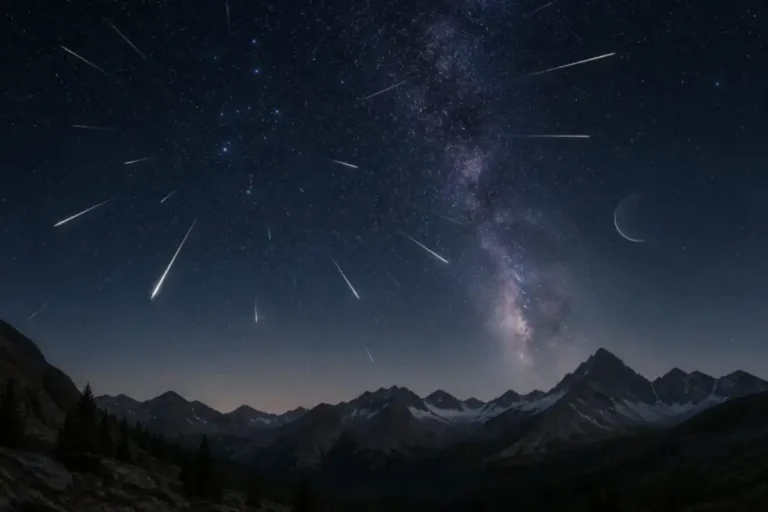
The Perseid meteor shower reaches its 2026 peak on the night of August 12 and into the morning of August 13. This year the timing is especially friendly to observers…
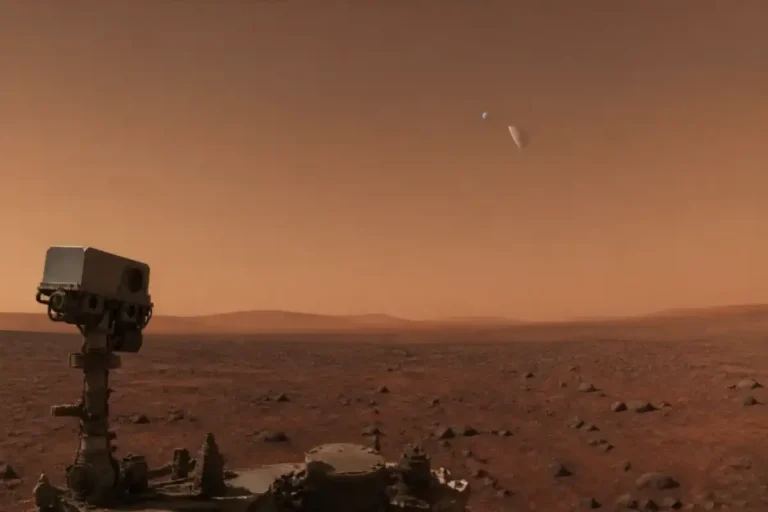
From the rim of Jezero Crater, Earth is only a bright point in the sky. On July 2, NASA’s Perseverance rover watched that point vanish behind Phobos, Mars’ larger moon,…

Moon dust looks soft in photographs, but it is a difficult material for machines and people. The grains are sharp, abrasive and electrically clingy. NASA engineers at Johnson Space Center…
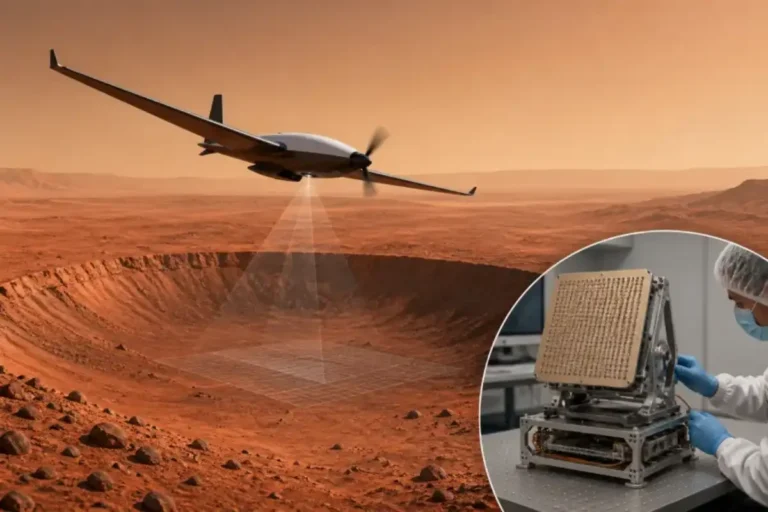
NASA is testing the communications and radar hardware for a proposed Mars aircraft mission called SkyFall. The project is still on Earth, but its engineers are working through the details…
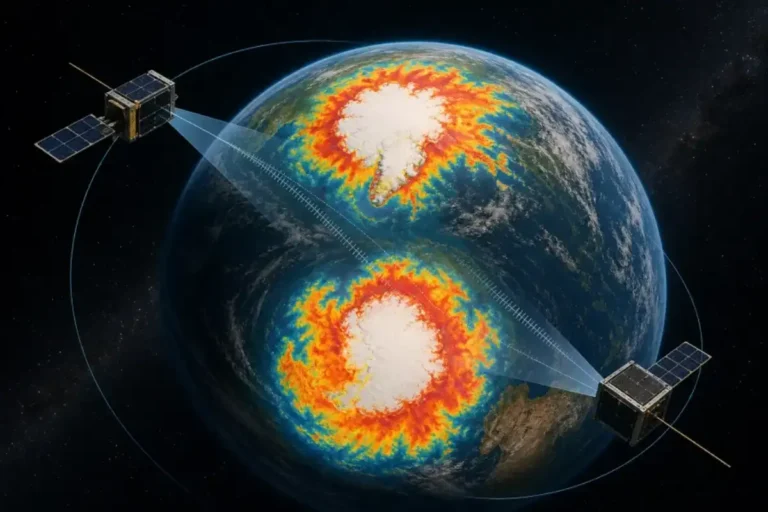
Earth’s poles are constantly shedding heat into space, but much of that energy is invisible to human eyes. NASA’s twin PREFIRE CubeSats are measuring that far-infrared loss directly, and the…
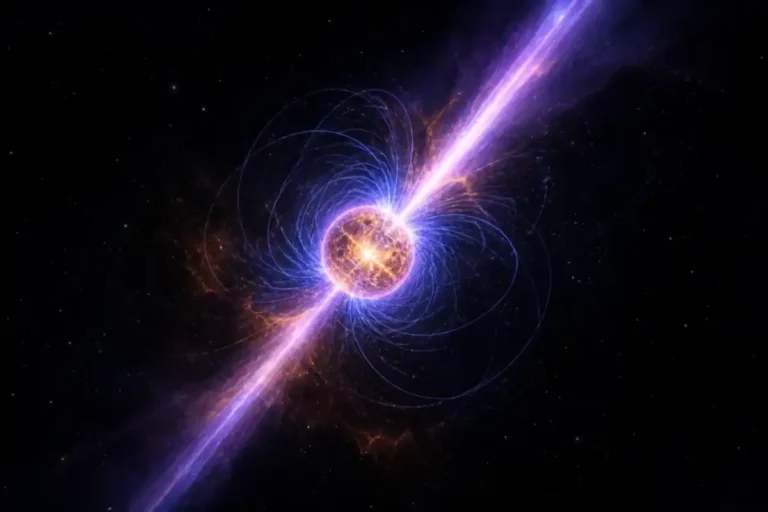
Empty space is not completely empty in the equations of quantum physics. Under an ordinary magnetic field, that distinction is impossible to notice. Near a magnetar—a neutron star with a…
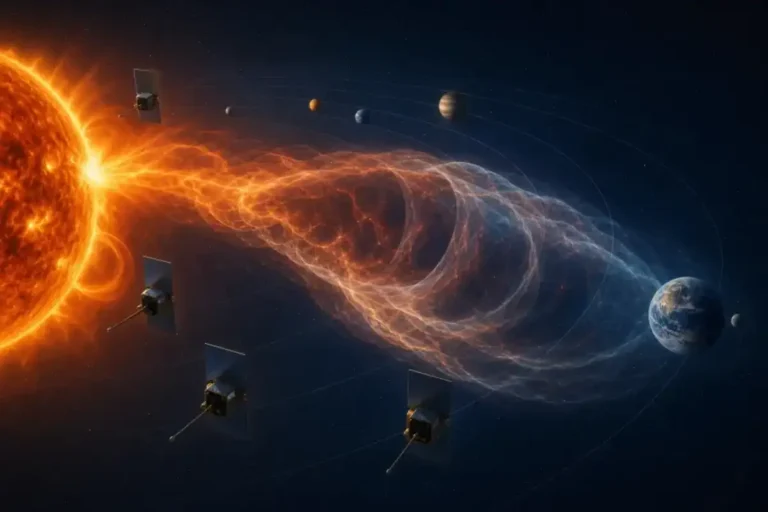
Forecasting a solar storm is a little like watching a wave leave a distant coast and trying to guess when it will reach the beach. Scientists can see a coronal…
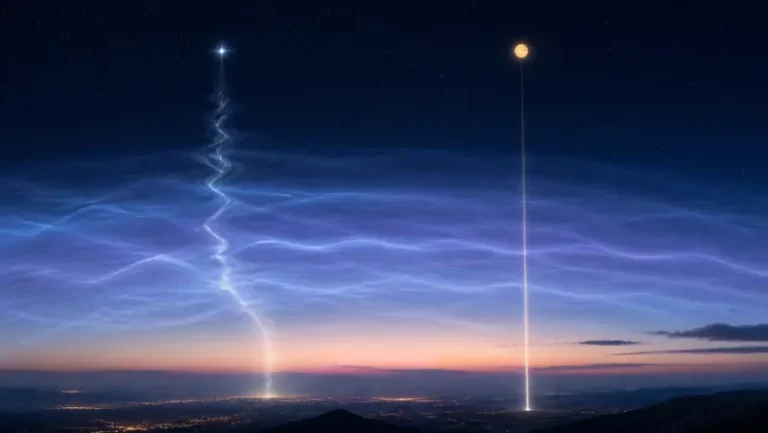
Stars do not actually switch their lights on and off when they twinkle. The flicker happens between the star and your eyes, as its light passes through Earth’s moving atmosphere.…
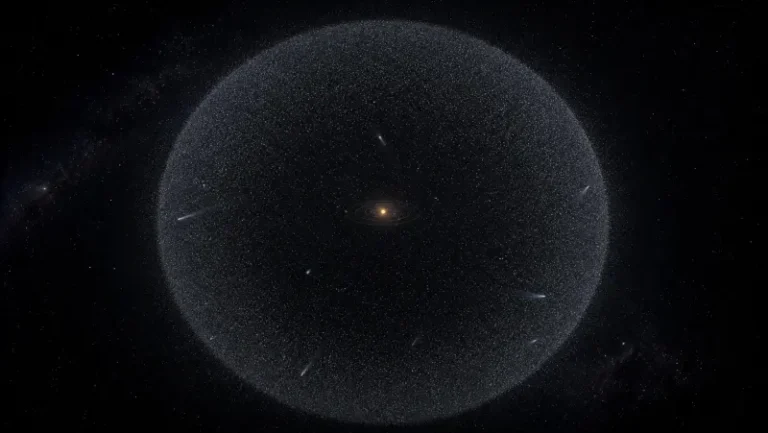
The Oort Cloud is one of the strangest places in the Solar System because it has never been seen directly. Astronomers infer its existence from the paths of long-period comets:…